
As Artemis II zooms to the Moon, everything seems to be going swimmingly
The cabin was colder on Thursday, but the crew has been able to adjust the temperature.
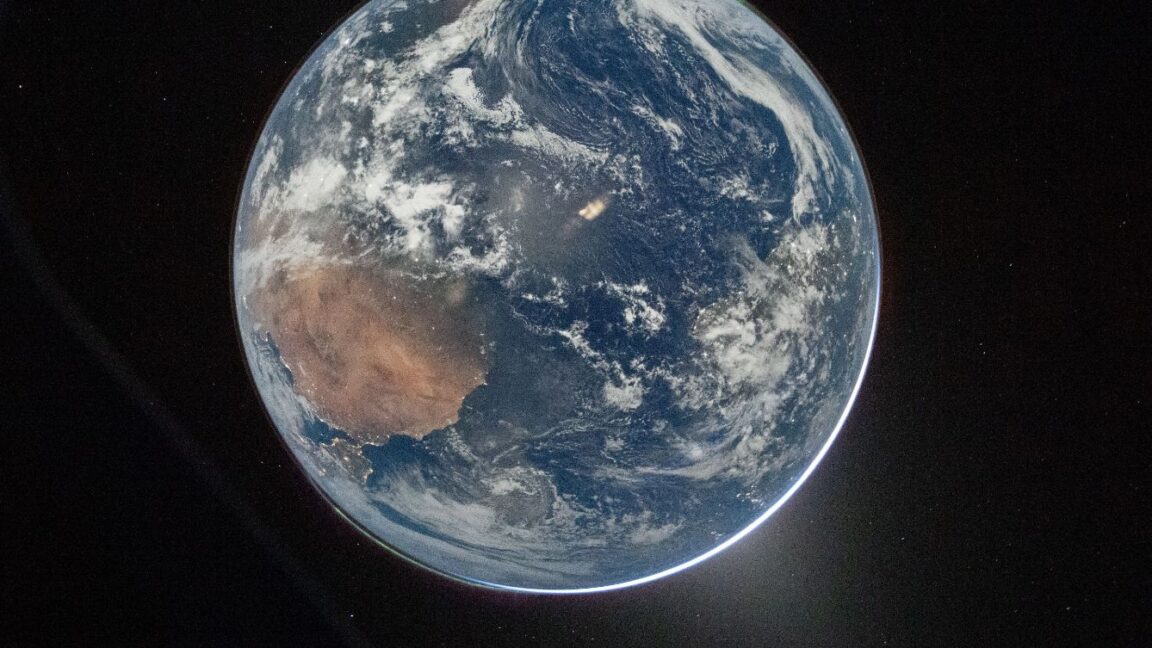
As the Artemis II lunar mission continued into its third day on Friday, the crew aboard the spacecraft experienced a mix of routine activities and moments of awe. With the powerful engine that had propelled them toward the Moon now silent, the four astronauts—Reid Wiseman, Victor Glover, Christina Koch, and Jeremy Hansen—enjoyed a brief respite from the mission's initial intensity.
Initially, the cabin temperature had posed a minor challenge on Thursday, but the crew quickly adapted by adjusting the systems to their comfort. This technical hiccup was a minor setback in an otherwise smooth journey. The astronauts' ability to manage the environment within the spacecraft showcased their training and preparedness for the unique challenges of space travel.
As the mission progressed, the crew took advantage of the downtime to connect with their loved ones. Families and friends back on Earth eagerly awaited updates from the astronauts, who shared their experiences and emotions as they hurtled toward the Moon. These personal connections provided a much-needed break from the rigorous schedule of the mission.
In addition to their private communications, the crew participated in media events and medical conferences with physicians in Houston. These check-ins were primarily routine, as none of the astronauts were experiencing space adaptation sickness, a common issue for first-time space travelers. The absence of such symptoms was a relief for mission control, indicating that the crew was well-adapted to the environment.
Among the highlights of the mission so far was a stunning image captured by Reid Wiseman, the mission's commander. The photograph, shared on Friday morning, showcased Earth's night side with remarkable detail. Wiseman's long exposure image revealed not one, but two auroras, adding a touch of ethereal beauty to the scene. Additionally, the zodiacal light, a faint glow caused by sunlight reflecting off interplanetary dust, was visible in the bottom right corner of the image. The Sun itself appeared in the distance, casting a soft glow on the far side of our planet.
This breathtaking view served as a poignant reminder of humanity's place in the universe. As the crew continued their journey, they were reminded of the incredible vistas that awaited them on the lunar surface. The Artemis II mission, a precursor to future crewed missions to the Moon, was proving to be a testament to human ingenuity and the relentless pursuit of exploration.
With the crew's health and well-being a top priority, mission control closely monitored their progress. The absence of significant issues thus far boded well for the remainder of the voyage. As the astronauts prepared for their rendezvous with the Moon, they were not only fulfilling a historic mission but also inspiring future generations to dream of reaching for the stars.
In the coming days, the crew would face new challenges and opportunities. The Artemis II mission was more than just a test of technology; it was a celebration of human achievement and a step toward a future where space travel becomes a reality for all. As the astronauts looked out at the stunning vistas of Earth and the vast expanse of the cosmos, they were reminded of the incredible journey they were on and the legacy they were helping to build.








