
Artemis mission reeks of Musk
Don’t cheer for the Nasa mission
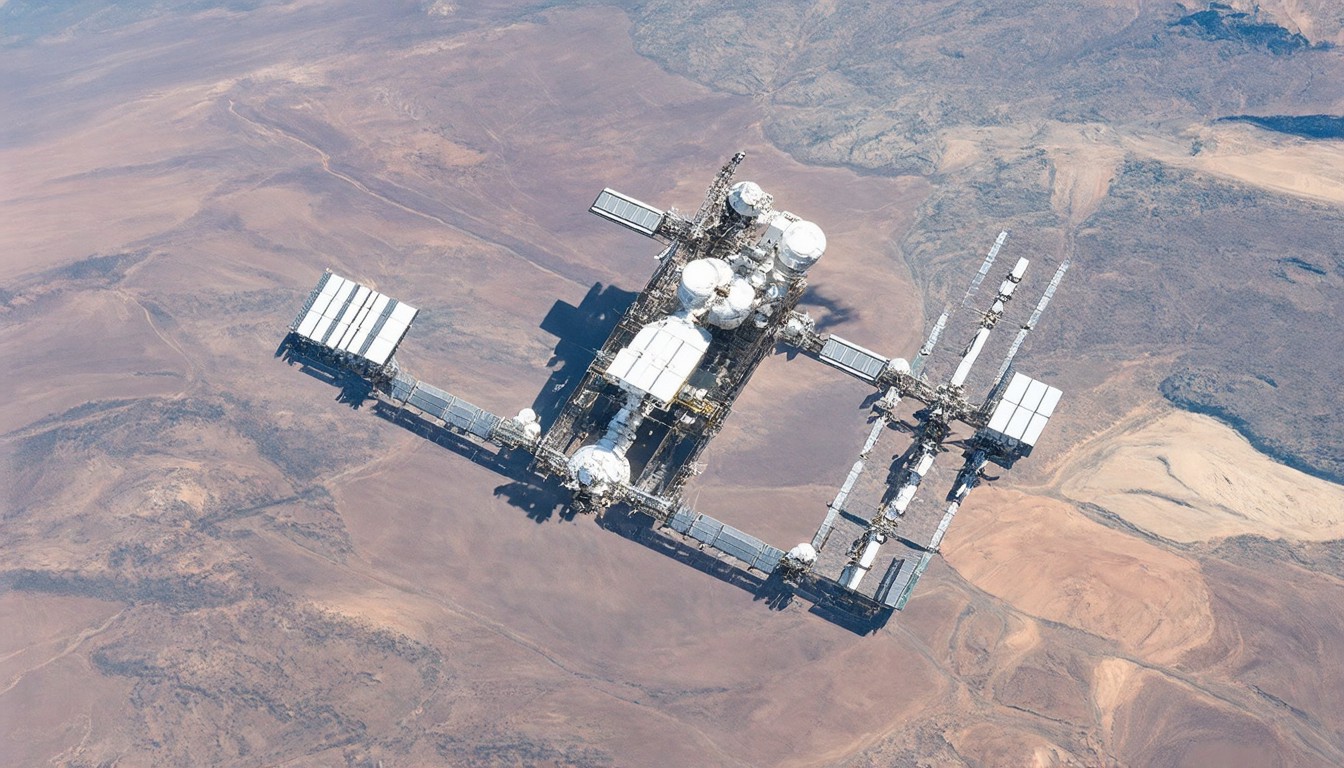
As the Artemis II mission prepares for launch, the excitement surrounding America's return to the Moon is palpable. However, for those who have followed the space program closely, the mission feels eerily familiar. It's as if history is repeating itself, with the same aspirational rhetoric masking underlying realities.
On May 25, 1961, President John F. Kennedy addressed Congress, declaring that the United States should commit to landing a man on the Moon and returning him safely before the decade was out. This announcement came just a month after Yuri Gagarin's historic flight into space, which had raised doubts about America's technological prowess. The Bay of Pigs invasion, a failed CIA-backed attempt to overthrow the Cuban government, had further strained the nation's image. In response to these setbacks, Kennedy pledged the Moon as a symbol of American ingenuity and leadership.
Kennedy's speech was undeniably inspiring, but it also revealed a lack of genuine enthusiasm for space exploration. In private, he admitted, "I'm not that interested in space." He even questioned whether the billions of dollars allocated to the program wouldn't be better spent on domestic issues like healthcare, education, and welfare. Yet, he acknowledged that the nation had no choice but to pursue the Moon landing, as its prestige was too heavily invested in the endeavor.
Fast forward to the present day, and the same ambiguity persists. NASA now touts the Artemis mission as a quest for scientific discovery, economic benefits, and inspiration for a new generation of explorers. These promises echo the rhetoric of the 1960s, when the Apollo program was hailed as a giant leap for mankind. However, beneath the surface, the true motivations remain elusive.
The Apollo program was, in large part, a product of the Cold War rivalry between the United States and the Soviet Union. The Moon landing was not just an exploration of space but a demonstration of national superiority. The same dynamic seems to underpin the Artemis mission, with its eventual aim of establishing a lunar base as a stepping stone to Mars. While the justifications may appear noble, the underlying geopolitical and commercial interests cannot be ignored.
The Artemis mission's connection to Elon Musk's SpaceX further complicates the narrative. Musk's ambitions for Mars colonization and his partnership with NASA have been a significant factor in the mission's development. This association raises questions about the true drivers of space exploration—are they rooted in public good or private gain?
As the Artemis II mission prepares for launch, it is crucial to critically examine the motivations behind it. While the mission may hold promise for scientific advancement and inspiration, its origins in Cold War politics and private interests cannot be overlooked. The same rhetoric that once justified the Apollo program now fuels the Artemis mission, leaving many to wonder if the same cynical undercurrents are at play.
In the end, the Artemis mission may indeed represent a new chapter in space exploration. However, its legacy will be shaped by more than just the technical achievements; it will also be defined by the transparent and honest reasons behind its pursuit. Only then can the mission truly live up to its lofty goals and inspire a new generation of explorers.








