Artemis II Moon Flyby: Live Updates: Artemis II Astronauts Travel Farther From Earth Than Ever Before
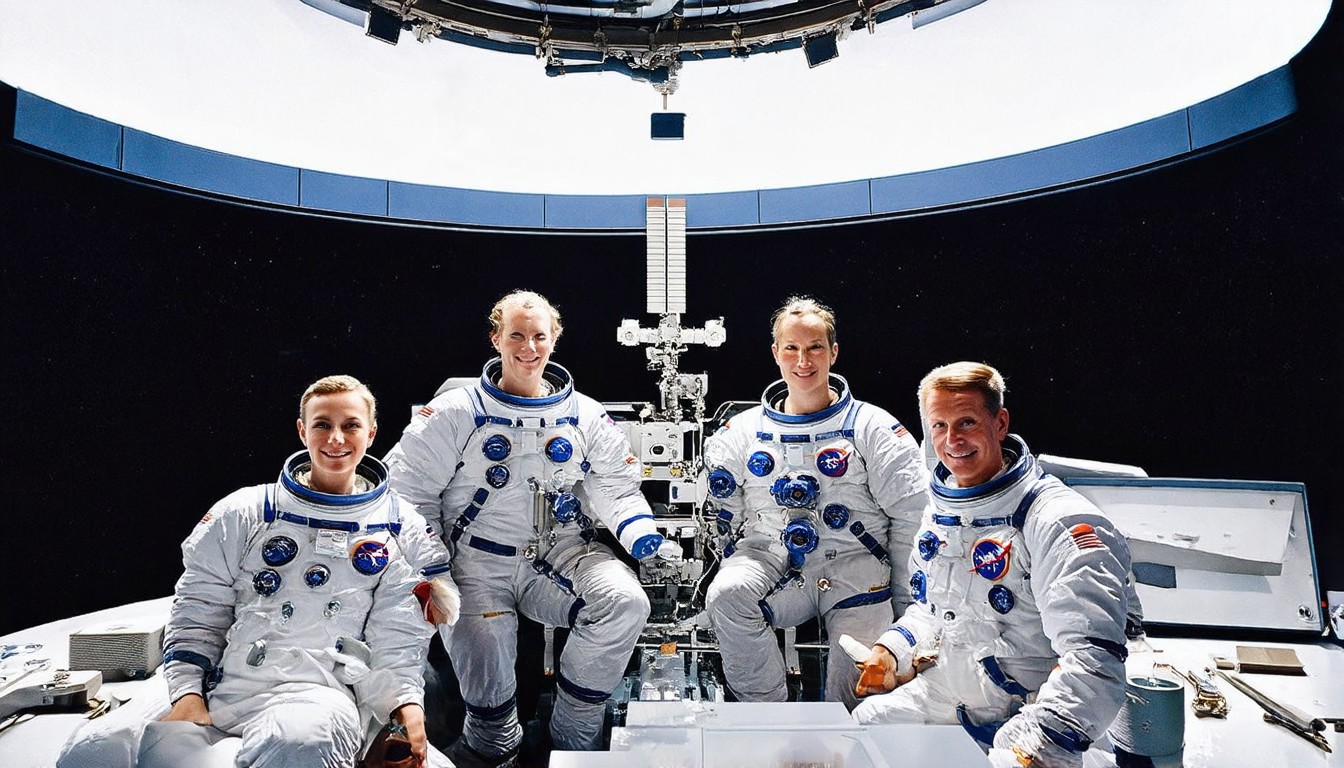
At 1:56 p.m. Eastern time, the crew’s distance from Earth passed 248,655 miles, the record set in 1970. Later, the four astronauts will pass behind the moon.
The Artemis II mission, NASA's ambitious lunar exploration program, is making history as it pushes the boundaries of human space travel. Today, at 1:56 p.m. Eastern time, the crew aboard the Orion spacecraft achieved a remarkable milestone: they surpassed the farthest distance from Earth ever recorded by humans. This new record, 248,655 miles, was last set in 1970 during the Apollo 13 mission. The Artemis II team, consisting of four astronauts, is now on a path to redefine space exploration and set the stage for future lunar missions.
The journey began with the successful launch of the Space Launch System (SLS) rocket from the Kennedy Space Center in Florida. The mission's primary objective is to conduct a flyby of the Moon, providing valuable data and testing the Orion spacecraft's capabilities in deep space. As the crew continues on their trajectory, they are not only breaking records but also paving the way for sustained human presence on the lunar surface.
The record-breaking distance from Earth marks a significant achievement for NASA and its partners. The Artemis program, which aims to return humans to the Moon by 2024 and establish a sustainable presence, is making steady progress. This flyby mission is a critical test for the Orion spacecraft, ensuring it can withstand the harsh environment of space and safely return the crew to Earth.
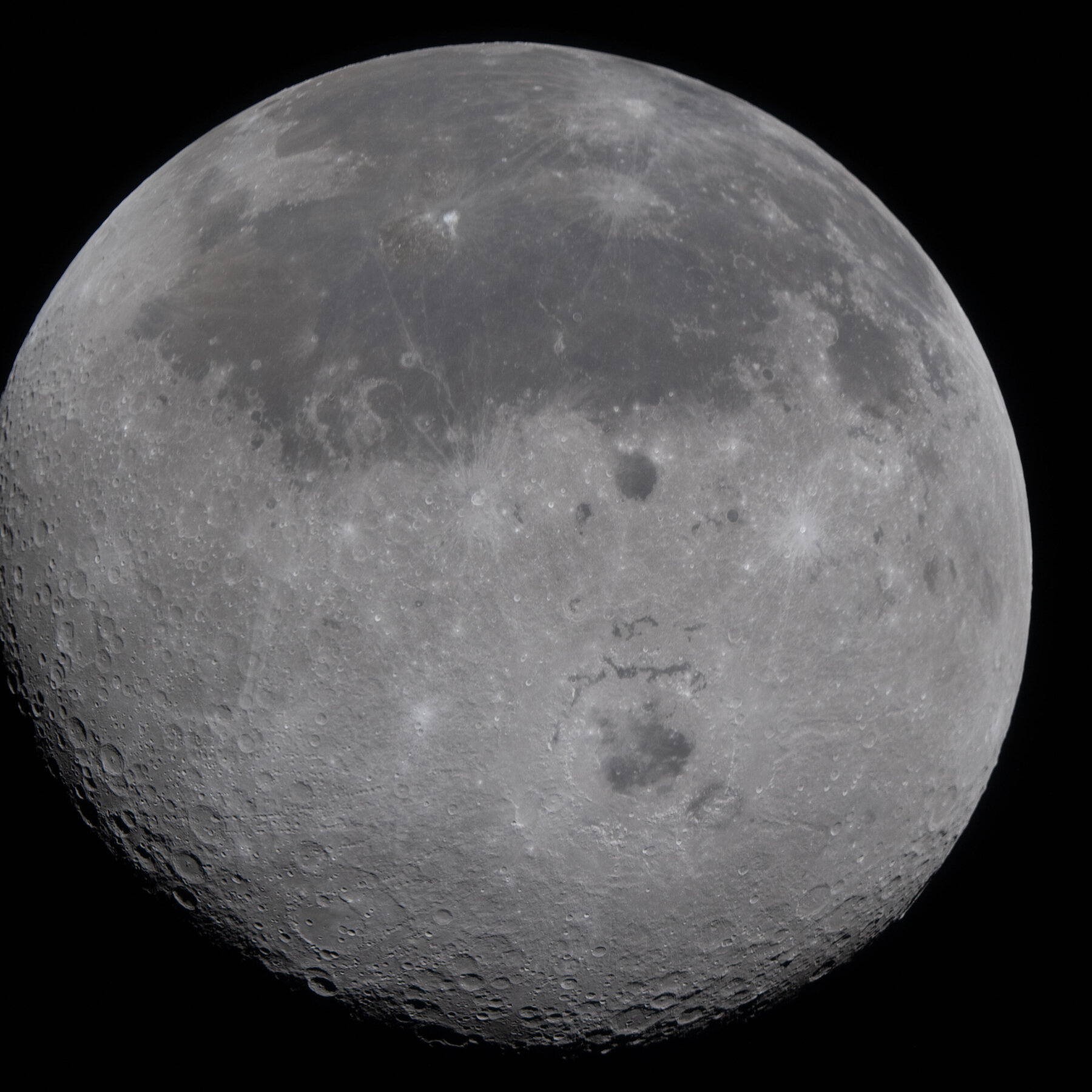
As the Artemis II crew continues on their journey, they will soon pass behind the Moon, a unique opportunity for unprecedented observations and scientific data collection. This maneuver, known as a lunar flyby, will allow the astronauts to study the Moon's surface, gather information on its resources, and assess potential landing sites for future missions. The data collected will be invaluable for planning the Artemis III mission, which aims to land astronauts on the lunar surface and begin the construction of a sustainable outpost.
The Artemis II mission is more than just a test of technology; it is a symbol of humanity's unyielding curiosity and ambition to explore the cosmos. The record-breaking distance from Earth underscores the potential of space travel and the vast frontiers that lie ahead. As the crew continues their historic journey, the world watches with anticipation, eager to see the next milestones in lunar exploration and the eventual establishment of a permanent human presence on the Moon.
In the coming days, the Artemis II mission will provide a wealth of scientific data and technological insights, further advancing our understanding of the Moon and its potential as a gateway to deeper space exploration. The success of this mission will not only inspire future generations of astronauts but also solidify NASA's leadership in space exploration and international collaboration.
As the crew of Artemis II continues to push the limits of human space travel, the world celebrates this monumental achievement. The record-breaking distance from Earth and the upcoming lunar flyby are just the beginning of a new era in space exploration, one that promises to unlock the mysteries of the cosmos and expand our knowledge of the universe.