
Artemis II is going so well that all we're left to talk about is frozen urine
"I think the fixation on the toilet is kind of human nature."
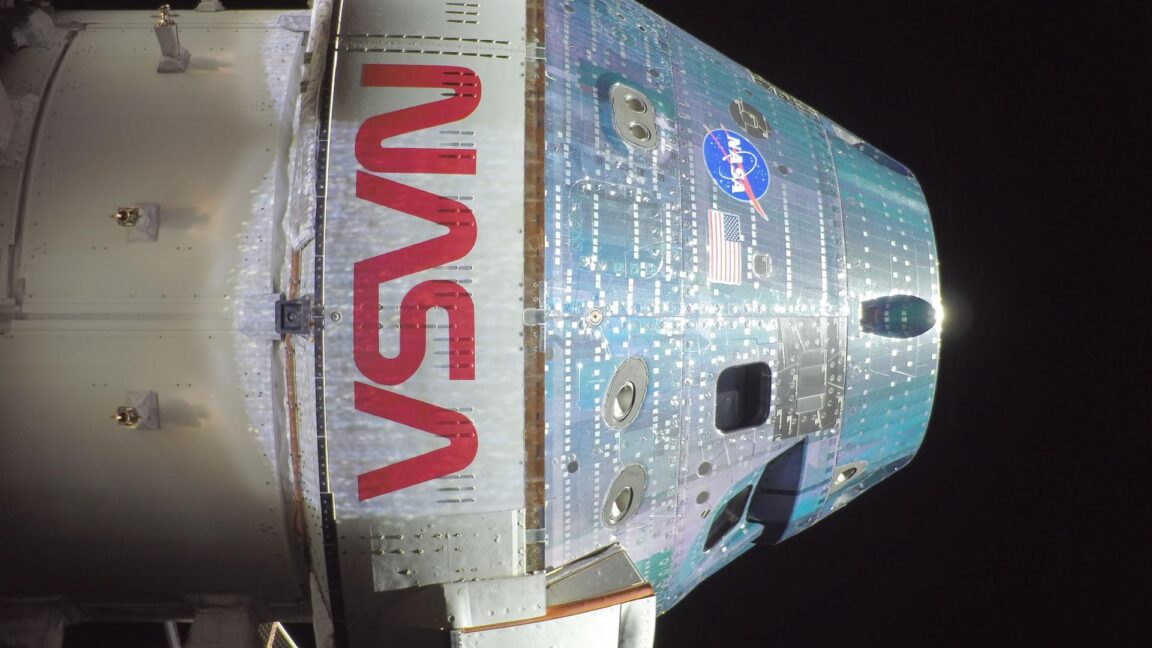
The Artemis II mission, NASA's ambitious journey into deep space, has been progressing so smoothly that the conversation around it has inadvertently shifted to an unexpected topic: the spacecraft's toilet. As the Orion spacecraft completes its 10-day voyage toward the Moon and back, the mission's success has left space enthusiasts and mission control with limited fodder for discussion. This has led to a peculiar focus on a mundane aspect of the spacecraft's systems—its onboard toilet.
The Orion spacecraft, designed to carry astronauts on future missions to the Moon and beyond, has been performing exceptionally well during its deep space trajectory. It has already surpassed the halfway point in its journey, with the Moon now closer than Earth. Engineers and mission controllers have reported no significant issues, and the spacecraft's systems are operating as expected. However, the absence of critical problems has left the public and media scrambling for topics to discuss, resulting in a surprising emphasis on the toilet's performance.
The toilet issue arose during the initial hours of the mission. As part of the standard checkout procedure, the toilet was supposed to be "wetted" with water to prime its pump. Due to an error in the water introduction process, the pump remained non-responsive. Mission control quickly identified the problem and rectified it by adding more water, after which the toilet functioned normally. Despite this brief hiccup, the spacecraft's systems have been operating smoothly ever since.
The fixation on the toilet has been noted by observers as a reflection of human nature. In the absence of substantial news or challenges to report, the public's attention turns to the most unusual or unexpected topics. This phenomenon is not unique to space missions; it often occurs in other high-profile events where everything is going according to plan. The toilet story, while trivial, serves as a reminder of the intricate engineering and meticulous planning that goes into space exploration.
The Artemis II mission's success underscores NASA's commitment to advancing human spaceflight. The Orion spacecraft, a product of years of development and testing, is proving to be a reliable and capable vehicle for deep space travel. As the mission continues, the focus will inevitably shift back to the broader objectives of the Artemis program, including the eventual establishment of a sustainable presence on the Moon.
In the meantime, the toilet story serves as a humorous and light-hearted reminder of the complexities involved in space exploration. It highlights the importance of thorough testing and the unexpected challenges that can arise, even in the most well-prepared missions. As the Orion spacecraft completes its journey and prepares for re-entry into Earth's atmosphere, the public's attention will likely return to the mission's larger goals and the future of space exploration. For now, however, the toilet remains a captivating, if unconventional, topic of conversation.








