Are rising gas prices just the start? Economic analysts warn the worst is yet to come
Surging oil prices continue to ripple through the global economy because of the war with Iran.
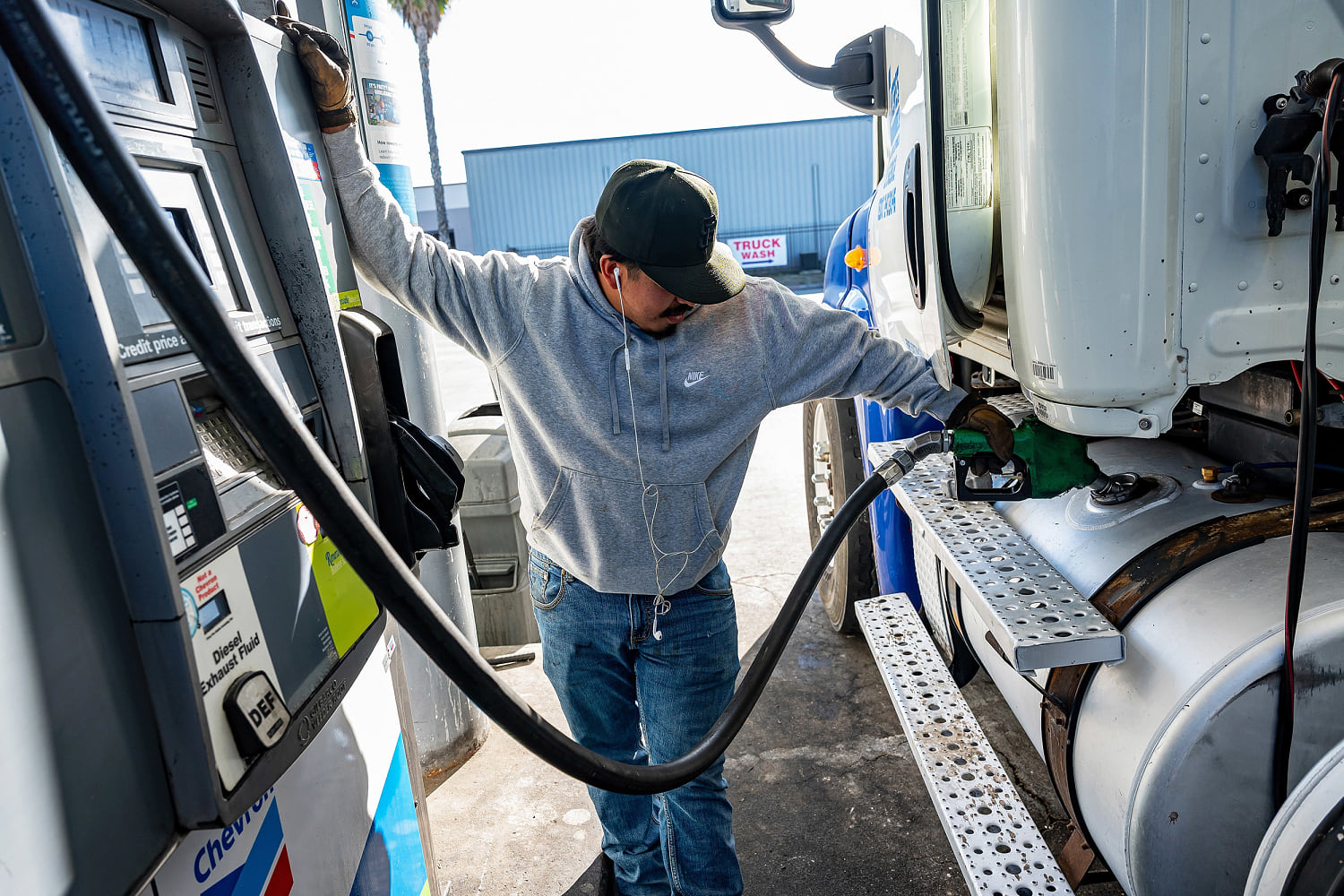
As global oil prices continue to soar, economic analysts are growing increasingly concerned that the current spike in fuel costs is just the beginning of a much larger crisis. The war with Iran, which has been raging for several months, has disrupted global oil supply chains, leading to a sharp reduction in available crude. This has sent shockwaves through the global economy, with many countries already experiencing shortages and higher prices at the pump.
The conflict in Iran has led to significant reductions in oil production, as many of the country's oil fields have been damaged or shut down due to the ongoing hostilities. This has created a severe imbalance in the global oil market, as demand remains high while supply is being severely constrained. The result has been a rapid increase in oil prices, which has already begun to impact not only gasoline prices but also the cost of goods and services worldwide.
In the United States, the situation is particularly dire. The average price of a gallon of gasoline has risen to over $5 per gallon in many regions, causing widespread hardship for consumers and businesses alike. Truckers, farmers, and other industries that rely heavily on diesel fuel are facing even higher costs, which threaten to disrupt supply chains and drive up prices for everyday products.
The ripple effects of soaring oil prices are not limited to transportation. The global economy is highly interconnected, and the cost of fuel impacts nearly every sector. Manufacturing, construction, and even agriculture are all affected by the higher costs of diesel and gasoline. This has led to concerns about a potential global recession, as businesses struggle to absorb the increased expenses.
Economic analysts warn that the situation could get worse before it gets better. With the ongoing conflict in Iran, there is little hope for a quick resolution that would stabilize oil production and prices. Additionally, geopolitical tensions in other regions, such as the Middle East and the Black Sea, could further exacerbate the situation.
Some experts suggest that the current crisis may be a wake-up call for governments to invest in alternative energy sources and promote more sustainable practices. By diversifying energy supplies and reducing reliance on fossil fuels, countries could mitigate the impact of future oil price spikes. However, transitioning to renewable energy is a complex and time-consuming process, and it remains to be seen whether policymakers will prioritize long-term solutions over short-term fixes.
In the meantime, consumers and businesses are bracing for the worst. Many are already taking steps to reduce their fuel consumption, such as carpooling, using public transportation, or switching to electric vehicles. However, these measures may not be enough to counteract the significant economic impact of the current oil crisis.
As the global economy grapples with the consequences of soaring oil prices, the outlook remains uncertain. While some analysts predict that prices will eventually stabilize, others warn that the worst is yet to come. The situation in Iran, coupled with geopolitical instability in other regions, could lead to further disruptions in the oil market.
In conclusion, the rising gas prices are not just a temporary blip; they are a stark reminder of the vulnerabilities in the global energy system. The ongoing conflict in Iran has exposed the fragility of oil supply chains and the interconnectedness of the global economy. As oil prices continue to rise, the challenges faced by consumers, businesses, and governments will only intensify. The path forward will require bold decisions and a concerted effort to transition towards more sustainable and resilient energy systems. Only then can the world hope to avoid the worst-case scenarios that loom on the horizon.