
Are rising gas prices just the start? Economic analysts warn the worst is yet to come
Surging oil prices continue to ripple through the global economy because of the war with Iran.
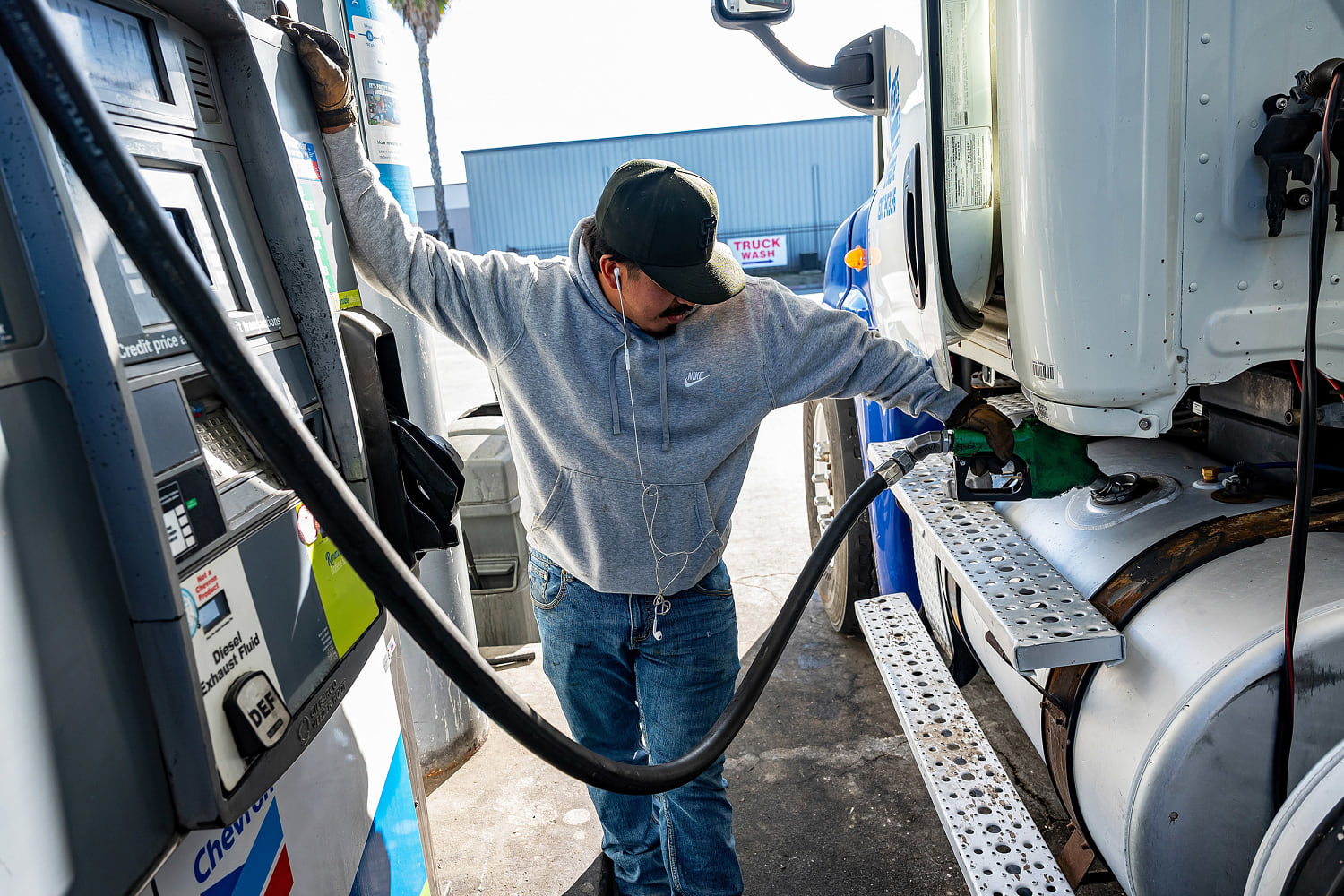
As global oil prices continue to soar, economic analysts are growing increasingly concerned that the current surge in fuel costs is just the beginning of a much larger economic crisis. The war between the United States and Iran, which has been raging for several months, has disrupted global oil supply chains, leading to a sharp increase in the price of crude oil and, consequently, gasoline.
The conflict has caused significant disruptions in the Middle East, a region that is home to some of the world's largest oil reserves. This has led to a reduction in the supply of oil, which has been met with a continued high demand from countries like China and India, which are major consumers of oil. The combination of reduced supply and high demand has resulted in a dramatic increase in oil prices, which has ripple effects throughout the global economy.
One of the most immediate impacts of the rising oil prices has been on the cost of gasoline. Drivers around the world are already feeling the pain as gas prices continue to climb. In the United States, for example, the average price of a gallon of gasoline has risen to over $5 per gallon in many areas. This has made it more expensive for consumers to travel, leading to a decrease in demand for gasoline and, in turn, further exacerbating the problem of high oil prices.
The rising cost of gasoline is not just a problem for individual consumers. It is also having a significant impact on businesses, particularly those in the transportation and manufacturing sectors. The cost of fuel is a significant component of the cost of doing business for many companies, and the recent increase in gas prices has made it more difficult for these companies to operate profitably.
Economic analysts are warning that the current surge in oil prices is just the start of a much larger economic crisis. They predict that the rising cost of fuel will lead to a decrease in consumer spending, which will in turn lead to a slowdown in economic growth. Some experts have even suggested that the current situation could lead to a global recession.
The situation is further complicated by the fact that many countries around the world are heavily dependent on oil imports. This means that they are vulnerable to fluctuations in oil prices, which can have a significant impact on their economies. For example, countries in Europe, which are heavily dependent on oil imports from Russia, are already feeling the effects of the rising oil prices.
In addition to the economic impact, the rising oil prices are also having a significant impact on global politics. The conflict between the United States and Iran has already led to increased tensions in the Middle East, and the rising cost of oil is likely to exacerbate these tensions. Some experts have suggested that the current situation could lead to further instability in the region, which could have far-reaching consequences for the global economy.
As the situation continues to develop, it is clear that the rising oil prices are not just a problem for individual consumers or businesses. They are a sign of a much larger economic crisis that is likely to have far-reaching consequences for the global economy. Economic analysts are urging governments around the world to take action to mitigate the impact of the rising oil prices, and to develop alternative energy sources that can help to reduce dependence on oil.
In the meantime, consumers are being advised to take steps to reduce their fuel consumption. This could include using public transportation, carpooling, or driving more fuel-efficient vehicles. By taking these steps, consumers can help to reduce the demand for oil, which could help to stabilize prices and mitigate the impact of the current crisis.
As the situation continues to evolve, it is clear that the rising oil prices are a serious concern for the global economy. Economic analysts are warning that the worst is yet to come, and it is up to governments and individuals around the world to take action to address this crisis.









