
Are AI agents actually slowing us down?
As more software engineers use AI agents daily, there’s also more sloppy software, outages, quality issues, and even a slowdown in shipping velocity. What’s happening, and how do we solve it?
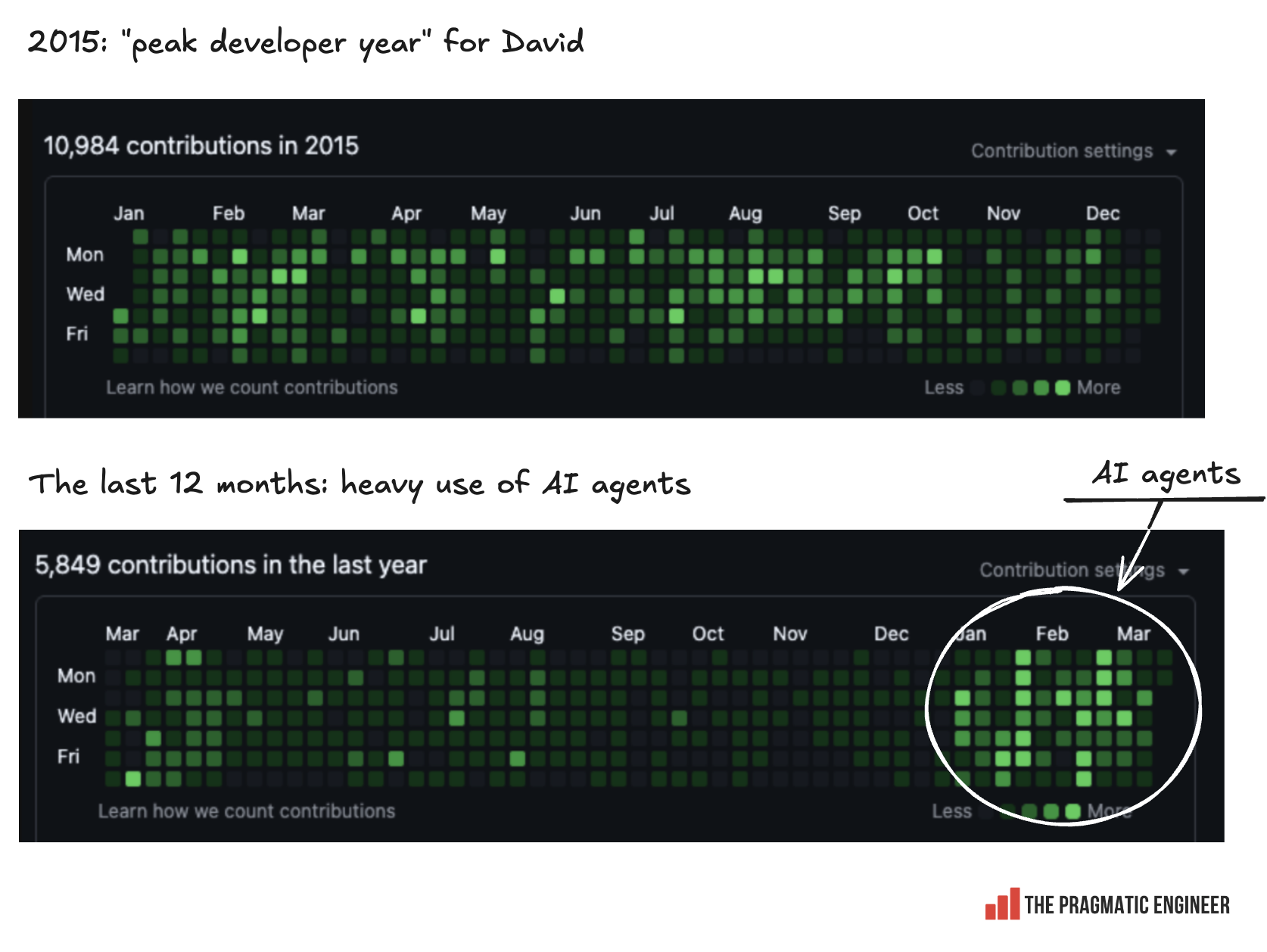
As the integration of AI agents into software development becomes more widespread, there is growing concern that these tools might not be as beneficial as initially thought. While many companies highlight the efficiency gains and increased output from using AI agents, there are signs that product quality, user experience, and long-term development velocity are suffering as a result. This article explores the under-discussed challenges posed by AI agents and the potential solutions to address them.
One notable example of the impact of AI agents on product quality is Anthropic, a company that generates a significant portion of its production code using its AI assistant, Claude. Despite this, users have reported an annoying user experience issue on the company's flagship website, which went unnoticed by the team. This highlights a concerning trend where the focus on AI-generated code has led to a neglect of quality assurance and user experience.
Amazon's retail organization has also experienced an increase in outages linked to its reliance on AI agents. To mitigate these issues, senior sign-offs are now required for changes made by junior engineers using AI-assisted tools. This indicates that the lack of oversight in AI-generated code can lead to unintended consequences, such as system failures.
Big technology companies like Meta and Uber are tracking AI token usage in performance reviews, encouraging engineers to use AI agents heavily. However, this pressure to adopt AI tools without regard for their quality impact could lead to a culture where code quality is sacrificed for speed.
Dax Raad, the creator of OpenCode, has warned that AI agents are lowering the bar for what gets shipped, discouraging refactoring, and not actually speeding up teams. This suggests that while AI agents may help in generating code quickly, they may not be effective in improving the overall development process if proper quality checks are not in place.
Startups are also observing that while AI agents remove the barrier to getting started, they produce bloated, hard-to-maintain code that slows long-term development. Sentry's CTO and others have noted that the initial benefits of AI agents may be outweighed by the long-term challenges of maintaining such codebases.
Research has also shown that AI agents may not be as effective as claimed in certain coding tasks. Some studies suggest that AI-generated code can underperform compared to human-written code in terms of functionality and efficiency.
To address these challenges, it is crucial for organizations to implement robust quality assurance processes and maintain a balance between leveraging AI agents and ensuring code quality. This could involve investing in better AI tooling, incorporating more stringent code reviews, and encouraging a culture that values both speed and quality.
In conclusion, while AI agents hold great promise for enhancing software development, it is essential to recognize the potential downsides and take steps to mitigate them. By prioritizing quality and maintaining a healthy balance between efficiency and code integrity, the software development community can harness the benefits of AI agents while avoiding the pitfalls that threaten long-term success.









