Home EducationArctic Strategy, Trade Wars and the Future of Prai...
Education⭐ Featured

Arctic Strategy, Trade Wars and the Future of Prairie Farming — According to Peter Mansbridge

Peter Mansbridge connects climate change, northern security and China-Canada trade relations to our industry's long-term success The post Arctic Strategy, Trade Wars and the Future of Prairie Farming — According to Peter Mansbridge appeared first on Seed World .

6 April 2026 at 02:42 pm
1 views
Arctic Strategy, Trade Wars and the Future of Prairie Farming — According to Peter Mansbridge

Peter Mansbridge, the veteran broadcaster, recently delivered a powerful keynote address at the CropConnect Conference in Winnipeg, highlighting the interconnected challenges faced by Canada's seed and grain sectors. His speech underscored the critical role of agriculture in the nation's political, economic, and security landscape, urging the industry to adapt to a rapidly changing global environment.

Mansbridge began by emphasizing that climate change, northern security, and China-Canada trade relations are no longer peripheral issues for the agricultural sector. Instead, these factors are now central to the long-term competitiveness of Canada's seed and grain industries. He argued that the canola sector, in particular, has become a pivotal player in global trade realignment and a focal point in the evolving security debate in the Arctic.

One of the key takeaways for the seed industry is the necessity of trade diversification. With the Canada-U.S. relationship becoming increasingly volatile, farmers cannot rely on the stability of that market for their exports. Mansbridge warned that the assumption of a stable Canada-U.S. relationship is no longer safe, as evidenced by the significant impact of Donald Trump on global politics. This has prompted Canadians and policymakers to reevaluate their trade and sovereignty strategies at an accelerated pace.

China's return to the global stage, with canola as a core bargaining chip, presents both opportunities and challenges for Canada's agricultural sector. The thawing of relations between China and Canada could open new markets for Canadian exports, but it also requires the industry to navigate complex geopolitical dynamics. Mansbridge stressed that the seed industry must be prepared to adapt to these shifting trade winds, as the future of Canadian agriculture is increasingly intertwined with global trade relations.

Another critical issue highlighted by Mansbridge is the intersection of Arctic security and economic interests. He argued that northern infrastructure and sovereignty concerns are no longer solely military issues but are becoming economic ones, affecting ports, logistics, and the overall competitiveness of the agricultural sector. The Arctic Strategy, therefore, must be viewed as an economic imperative, with investments in infrastructure and security serving as a foundation for long-term growth.

Domestic unity and major nation-building projects will play a crucial role in determining Canada's ability to reduce its reliance on the U.S. and protect its export competitiveness. Mansbridge warned that the country cannot afford to ignore the implications of climate change, trade wars, and geopolitical tensions on its agricultural sector. The industry must be proactive in addressing these challenges, fostering collaboration between farmers, policymakers, and businesses to ensure a sustainable future.

In conclusion, Peter Mansbridge's keynote address at the CropConnect Conference served as a stark reminder of the complex and interconnected factors that are shaping the future of Canada's seed and grain industries. As the global landscape continues to evolve, the agricultural sector must adapt, diversify, and prioritize strategic partnerships to remain competitive in an increasingly uncertain world. The stakes are high, and the future of Prairie farming hinges on the industry's ability to navigate these challenges with resilience and foresight.

Source: Seed World
📰 Related News
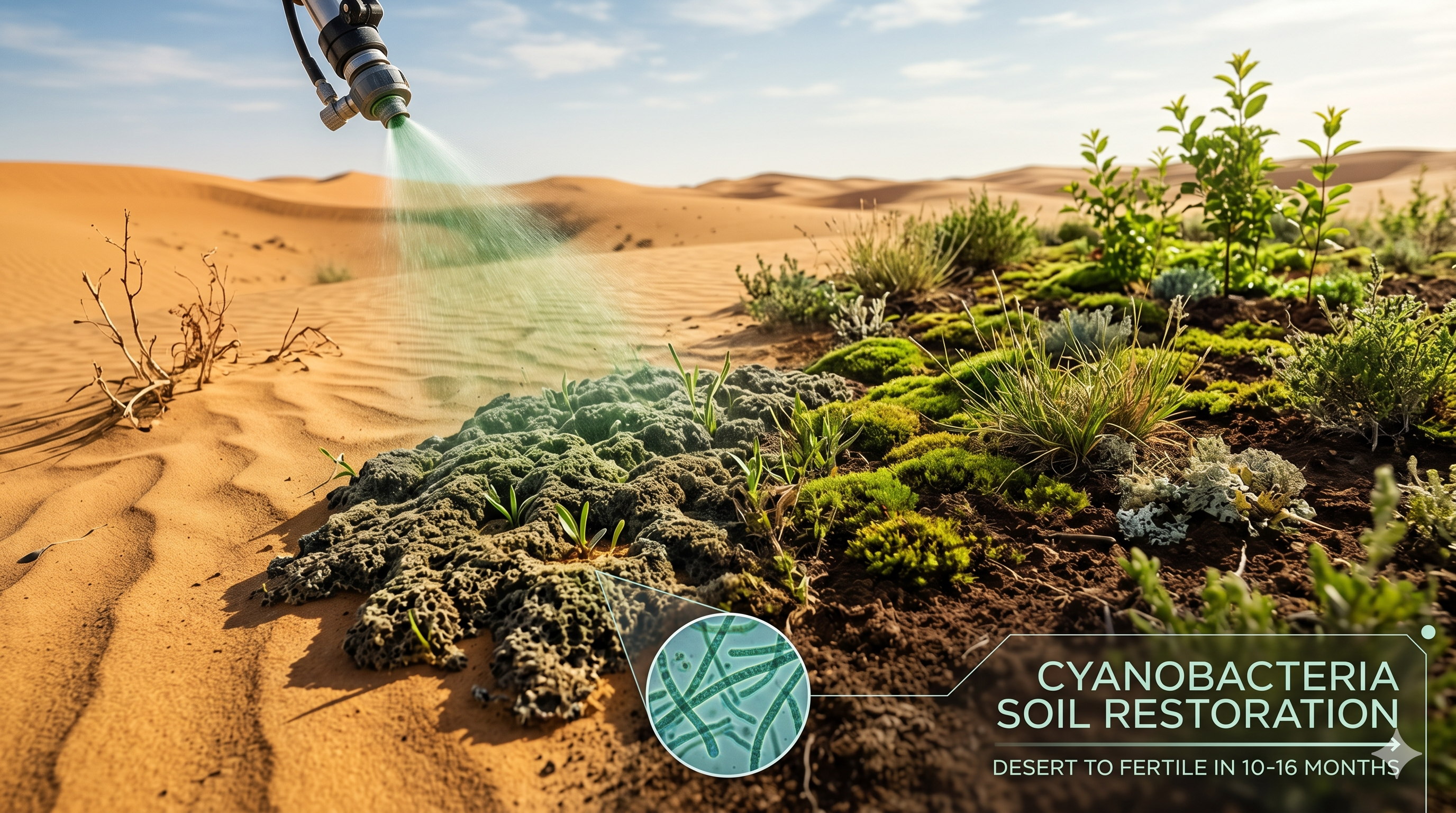
China is using a bacteria to turn desert into fertile soil in just 10 months
In a major breakthrough against desertification, researchers at Shapotou Desert Experimental Research Station have developed a technique that can transform barren desert sand into fertile, plant-supporting soil in just 10 months.
28 May
Rising costs ‘crippling’ most farming sectors in NI – FFA
The steering committee of Farmers For Action (FFA) has said that rising fuel, fertiliser, and other costs are now “crippling” most farming sectors in Northern Ireland. The organisation also said that “abysmal” farm gate prices are “breaking the camel’s back”. The FFA said the Department of Agriculture, Environment and Rural Affairs (DAERA) is “making things […] The post Rising costs ‘crippling’ most farming sectors in NI – FFA appeared first on Agriland.ie .
7 Apr
Weather: Strong winds over the weekend and staying unsettled
The weather this Easter weekend will see strong winds as Storm Dave hits Ireland, and it is set to remain unsettled after that into next week, according to Met Éireann. A Status Yellow warning has been issued for the whole country. This warning will come into effect at 2:00p.m tomorrow afternoon (Saturday, April 4) and […] The post Weather: Strong winds over the weekend and staying unsettled appeared first on Agriland.ie .
7 Apr
Announcing the AWS Sustainability console: Programmatic access, configurable CSV reports, and Scope 1–3 reporting in one place
AWS announces the Sustainability console, a new standalone service that consolidates carbon emissions reporting and resources, giving sustainability teams independent access to Scope 1, 2, and 3 emissions data without requiring billing permissions.
7 Apr
Spring grazing: Risk of negative energy balance
Unsettled weather means spring grazing is still quite messy, but its important to push on as the risk of negative energy balances (NEB) rise. NEB is often an issue at this stage, as much of the herd begins to reach their peak milk production but have not yet reached their maximum dry matter intake (DMI). […] The post Spring grazing: Risk of negative energy balance appeared first on Agriland.ie .
7 Apr
Raising the bar: Celebrating the best of West Cork’s dairy farming
At a time when dairy farming is under intense scrutiny, it’s easy to lose sight of what is actually happening on farms across west Co. Cork. Behind the headlines and debates, thousands of family farmers are quietly producing some of the highest-quality, lowest-carbon milk in Europe – while continuing to protect their land, their animals […] The post Raising the bar: Celebrating the best of West Cork’s dairy farming appeared first on Agriland.ie .
7 Apr
How has the wet spring affected feed costs?
We are now in April and yet a good number of herds have very little of the platform grazed, while others still have not seen any grass in 2026 due to the weather. To make matters worse, Met Éireann is still predicting two to three times more than the average rainfall for the week ahead. […] The post How has the wet spring affected feed costs? appeared first on Agriland.ie .
7 Apr
Most Irish dairy cows moved to sheds in March – survey
The majority of Irish dairy farmers have returned their cattle to sheds in some form due to the wet weather experienced recently, a new survey has found. This is based on the latest Calving Insights Survey conducted by FRS Co-Op for the month of March. The survey found that, despite some spells of dry weather […] The post Most Irish dairy cows moved to sheds in March – survey appeared first on Agriland.ie .
7 Apr
Opinion: Easter has always been a true celebration of Irish sheep production
Easter has always been synonymous with all that is good about Irish sheep production. And long may this continue to be the case. Spring-born lambs gambolling in fields always epitomise the ending of winter and the promise of better weather to come. It’s just a pity that the spring of 2026 has not lived up […] The post Opinion: Easter has always been a true celebration of Irish sheep production appeared first on Agriland.ie .
7 Apr
The basics of irrigation during hot weather
Hot, dry conditions test even the best irrigation strategies. Christo van der Westhuizen, agronomist at Netafim Southern and East Africa, explained to Glenneis Kriel how farmers can manage water efficiently to protect crops during hot days.
7 Apr