
Apple turns 50, in a world it helped create
David Pogue, author of "Apple: The First 50 Years," talks with Apple's co-founder Steve Wozniak, CEO Tim Cook, and others about the vision of Steve Jobs, and how the company's products and services have reshaped life, technology and culture in the 21st century.
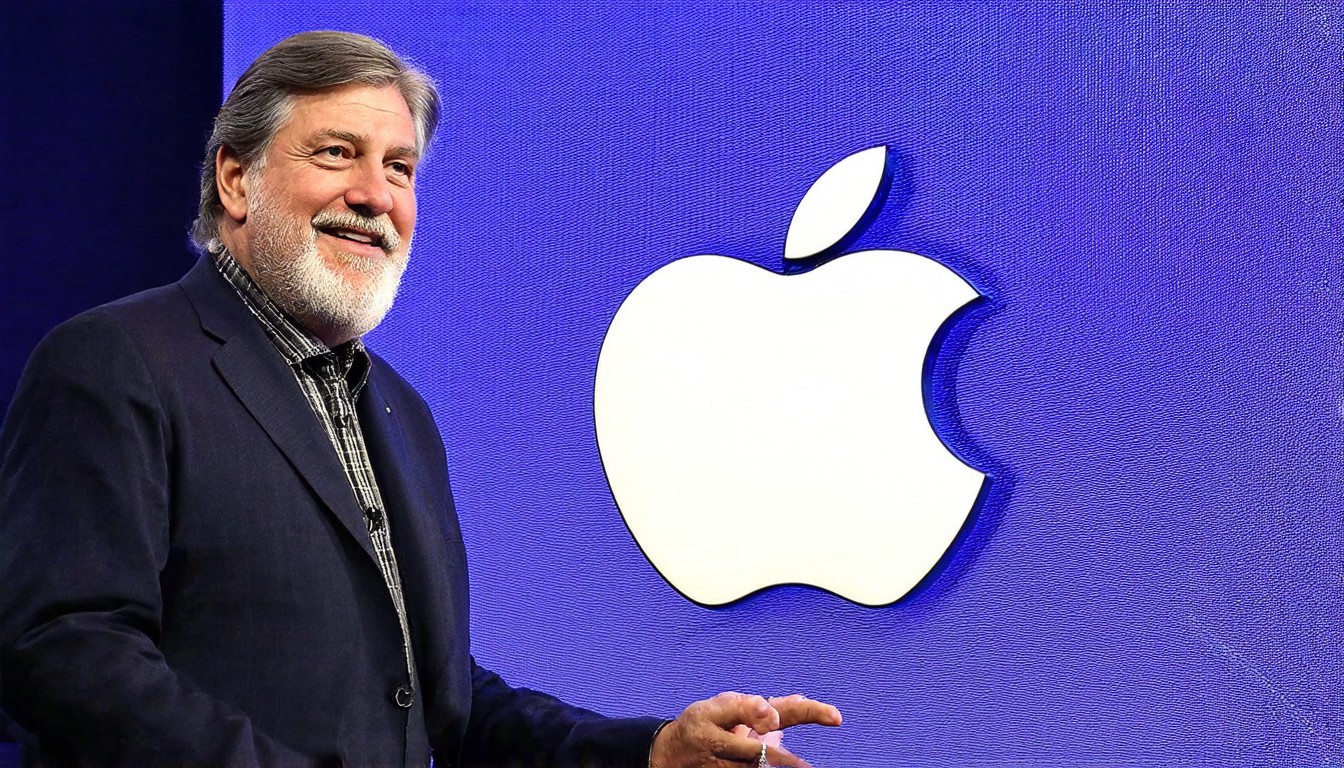
Apple turns 50, in a world it helped create
On April 1, 1976, Steve Jobs, Steve Wozniak, and Ronald Wayne founded Apple Computer Company in a small garage in Los Altos, California. Today, Apple marks its 50th anniversary, having transformed not just the technology industry but also the way people live, work, and connect. The company's journey from a garage startup to a global cultural force is a testament to the vision of Steve Jobs and the relentless innovation of its founders.
David Pogue, author of "Apple: The First 50 Years," delves into the company's history by interviewing key figures like co-founder Steve Wozniak and current CEO Tim Cook. These conversations reveal the pivotal moments that shaped Apple's trajectory and the enduring influence of Jobs' vision.
Wozniak, who initially designed the Apple I computer, recalls the early days with a sense of wonder. "We started with a dream," he says. "We wanted to make computers fun and accessible to everyone, not just hobbyists or corporations." This vision was rooted in Jobs' belief that technology should be intuitive and inspiring.
Jobs' return to Apple in 1997 marked a turning point. Under his leadership, the company introduced groundbreaking products like the iPod, iPhone, and iPad, each redefining their respective markets. The iPod revolutionized music consumption by offering a portable, user-friendly device that eliminated the need for physical CDs. The iPhone transformed mobile communication, combining a touchscreen interface with internet access and app ecosystem. The iPad popularized the tablet format, blending the portability of a smartphone with the versatility of a laptop.
These innovations were not just technological leaps; they were cultural phenomena. The iPod became a symbol of the digital age, while the iPhone and iPad reshaped how people communicate, work, and entertain themselves. Apple's ecosystem, with services like the App Store, iTunes, and later Apple Music and Apple TV+, created a seamless experience that tied its hardware and software together.
Tim Cook, who took over as CEO in 2011 after Jobs' death, has continued to build on this legacy. Under his leadership, Apple has expanded into new areas such as wearables with the Apple Watch and services like Apple Pay and Apple Maps. Cook emphasizes the importance of sustainability and privacy, reflecting Apple's commitment to ethical practices and user trust.
The impact of Apple extends beyond technology. Its products have influenced fashion, art, and even language. The term "iPhone" has entered everyday vocabulary, while the minimalist design of Apple products has inspired a wave of imitators and admirers alike. Apple's influence is evident in the way people interact with technology, prioritizing aesthetics, usability, and integration over raw power.
However, Apple's journey has not been without challenges. The company has faced criticism over labor practices, environmental impact, and privacy concerns. Yet, its enduring success suggests that its core values—simplicity, innovation, and user-centric design—remain relevant.
Looking ahead, Apple continues to push boundaries with initiatives like AR/VR, autonomous vehicles, and biometric technology. The company's 50th anniversary underscores its role as a cultural and technological force, shaping the world in ways that its founders could only have imagined.
In the words of David Pogue, "Apple didn't just create products; it created a way of life. It changed how we connect, create, and experience the world around us." As Apple turns 50, it stands as a testament to the power of vision, innovation, and the relentless pursuit of excellence. The company's legacy will undoubtedly continue to shape the future of technology and culture for generations to come.









