
Apple Pulls Bitchat From Chinese App Store
Tech billionaire Jack Dorsey has confirmed that the censorship-resistant messaging app, Bitchat, was recently removed from the Apple App Store in China.
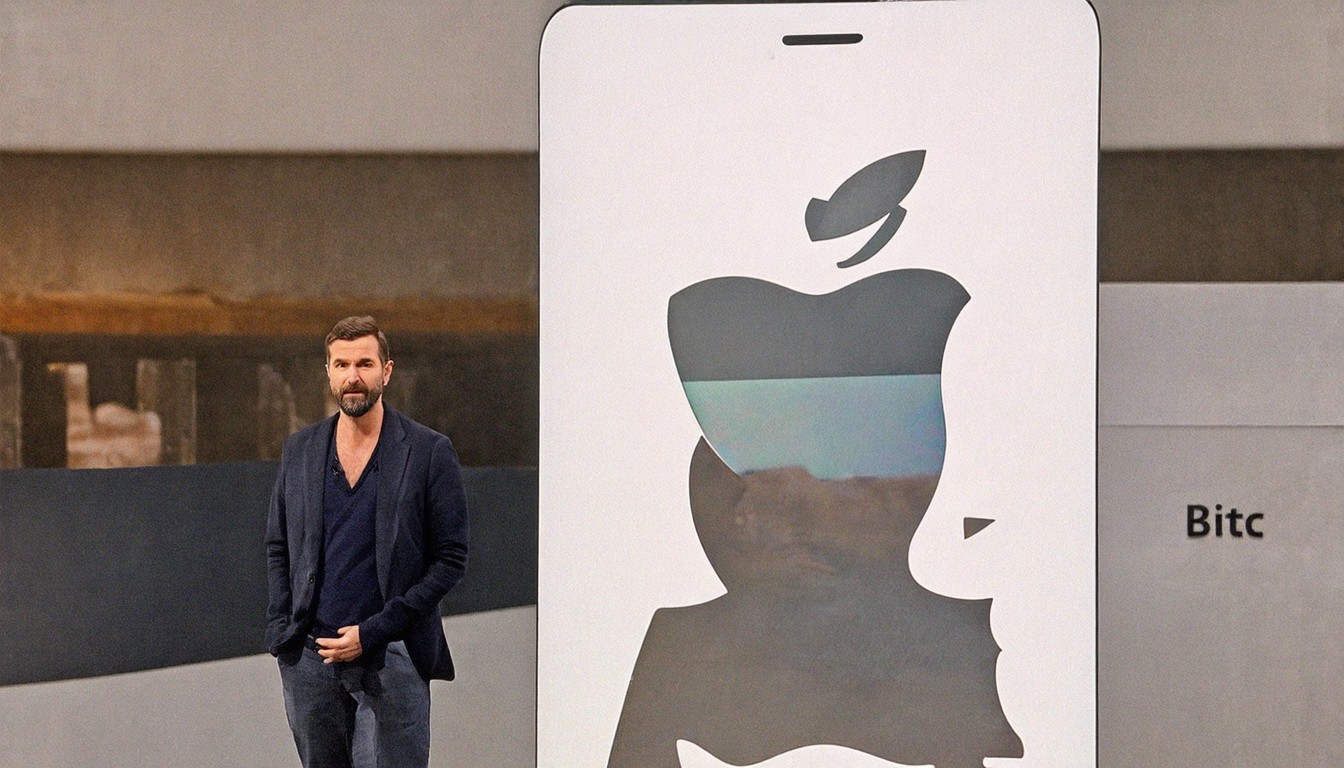
Apple has recently pulled the censorship-resistant messaging app, Bitchat, from its App Store in China. The move comes as a surprise to many, given that Bitchat was designed to bypass China's strict internet censorship laws, allowing users to communicate freely without the interference of the Great Firewall. The decision was confirmed by tech billionaire Jack Dorsey, the co-founder of Twitter and Square, who has been closely associated with Bitchat's development.
Bitchat, which stands for "BitChat," was developed as an alternative to mainstream messaging platforms that are heavily monitored by Chinese authorities. The app uses advanced encryption and decentralized technology to ensure that users can communicate privately and anonymously, making it difficult for authorities to intercept or censor conversations. This feature has made Bitchat particularly attractive to those in China who value free expression and privacy.
The removal of Bitchat from the Apple App Store in China is a significant development in the ongoing battle between tech companies and state censorship. Apple, like other major tech firms, has long faced pressure from governments to comply with censorship demands. In China, this pressure has been particularly intense, with the government requiring companies to remove content that it deems inappropriate or subversive.
The decision to remove Bitchat from the App Store in China is likely a result of direct pressure from Chinese authorities. Apple, like other tech giants, has a vested interest in maintaining a positive relationship with the Chinese government, given the country's vast consumer market. The company has previously faced scrutiny and even faced legal challenges in China over issues related to data privacy and user rights.
Jack Dorsey's confirmation of Bitchat's removal highlights the challenges faced by developers of censorship-resistant apps. Despite the app's technical sophistication, it was unable to withstand the pressures exerted by the Chinese government. This incident underscores the difficulty of creating tools that can effectively resist state-level censorship, particularly in regions with stringent internet controls.
The removal of Bitchat from the Apple App Store in China also raises questions about the future of such apps. While Bitchat may have been taken down, the need for censorship-resistant communication tools remains. Developers and activists may turn to alternative platforms or methods to continue providing users with the ability to communicate freely.
In the broader context, this incident reflects the complex dynamics between tech companies, governments, and users in the digital age. As internet censorship becomes more sophisticated, so too must the tools used to circumvent it. The ability of governments to control and monitor digital communication is a matter of significant concern for advocates of free speech and privacy.
Apple's decision to remove Bitchat from its App Store in China is a stark reminder of the challenges faced by those who seek to challenge state censorship. While the app may have been taken down, the conversation it sparked about the balance between user privacy, free expression, and government control will continue. As technology evolves, so too will the strategies used to navigate these complex issues.









