
Apple at 50: The iPhone maker 'blew a 5-year lead' on AI, but former insiders say it can still win
In dominating consumer devices, Apple sold users on the promise of privacy. To compete in AI, it may have to pivot.
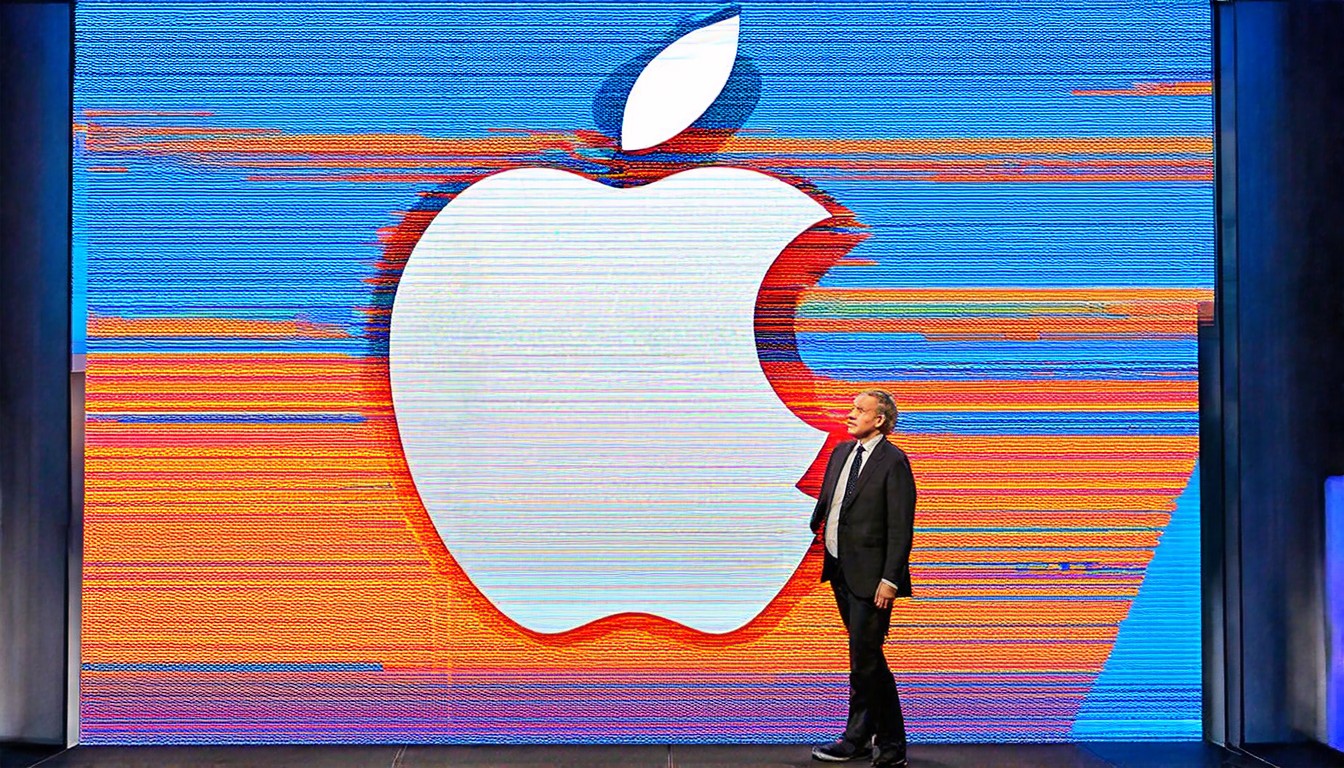
Apple, the iconic technology giant that turned 50 this year, has long been synonymous with innovation and consumer electronics. From the Macintosh to the iPod, the company has consistently redefined what it means to own a device, blending cutting-edge technology with sleek design. However, as the world races toward artificial intelligence (AI) dominance, Apple has found itself in a unique position. Despite being a formidable force in consumer devices, the iPhone maker has been accused of lagging behind in the AI race, a field that many believe could be the next frontier for technology.
The company's recent announcement of its 50th anniversary was marked by a renewed focus on privacy, a cornerstone of Apple's brand since the inception of the iPhone. By emphasizing user data protection and security, Apple has built a loyal customer base that values its commitment to keeping personal information safe. This trust has been a significant factor in Apple's success, allowing it to maintain a stronghold in the consumer electronics market.
However, as the AI landscape continues to evolve, critics argue that Apple's focus on privacy may have inadvertently led to a significant gap in its AI capabilities. In the past five years, companies like OpenAI, Google, and Microsoft have made substantial strides in AI research and development, often leveraging vast amounts of data to train sophisticated models. Apple, on the other hand, has been more cautious, prioritizing user privacy over data collection. This approach has been praised by many for its ethical stance, but it has also been seen as a missed opportunity to lead in AI.
Former Apple insiders, however, remain optimistic about the company's prospects in the AI race. They argue that Apple's strengths in hardware and software integration could give it a unique advantage. The company's ecosystem, which includes devices like the iPhone, iPad, and Mac, as well as services like iCloud and Apple Music, is tightly integrated and optimized for user experience. This cohesion could be a powerful asset when it comes to AI adoption, as it allows for seamless integration of AI features across all platforms.
Moreover, Apple's history of innovation suggests that the company is capable of pivoting when necessary. The transition from the iPod to the iPhone, and later to the iPad and Apple Watch, required significant strategic shifts. Similarly, the move from desktop computing to mobile devices was a bold pivot that paid off in the long run. It's plausible that Apple could make a similar leap in the AI arena, leveraging its existing strengths to carve out a niche.
One area where Apple could excel is in privacy-preserving AI. With a strong emphasis on user data protection, Apple could lead the way in developing AI technologies that respect user privacy while still delivering powerful capabilities. This could appeal to a growing segment of consumers who are wary of the data practices of other tech giants.
Another potential area for Apple to focus on is AI in hardware. The company's expertise in designing and manufacturing high-performance chips, such as the M-series processors used in its latest devices, could give it an edge in creating AI-optimized hardware. By integrating AI capabilities directly into its hardware, Apple could offer unique features and experiences that set it apart from competitors.
Despite the challenges, the future of AI at Apple is not necessarily bleak. The company has a proven track record of innovation and a loyal customer base that trusts its commitment to privacy. While it may have lost its 5-year lead in AI, Apple has the resources, expertise, and opportunity to make a comeback. The question now is whether the company will pivot in time to seize the next wave of technological advancement.
In conclusion, Apple's 50th anniversary serves as a reminder of its enduring influence in the tech industry. As the world accelerates toward AI dominance, the company faces a critical juncture. Its focus on privacy has been a double-edged sword, offering a competitive advantage in one realm while potentially hindering progress in another. However, with its rich history of innovation and a customer base that values privacy, Apple still has the potential to carve out a significant role in the AI era. The key will be whether the company can adapt its strategy to embrace AI without compromising the values that have made it a global leader.









