
'Anything but autos': Can defense save Europe’s ailing car industry?
The transition from wheels to weapons is achievable in part because many of the underlying skills are highly transferable, according to experts.
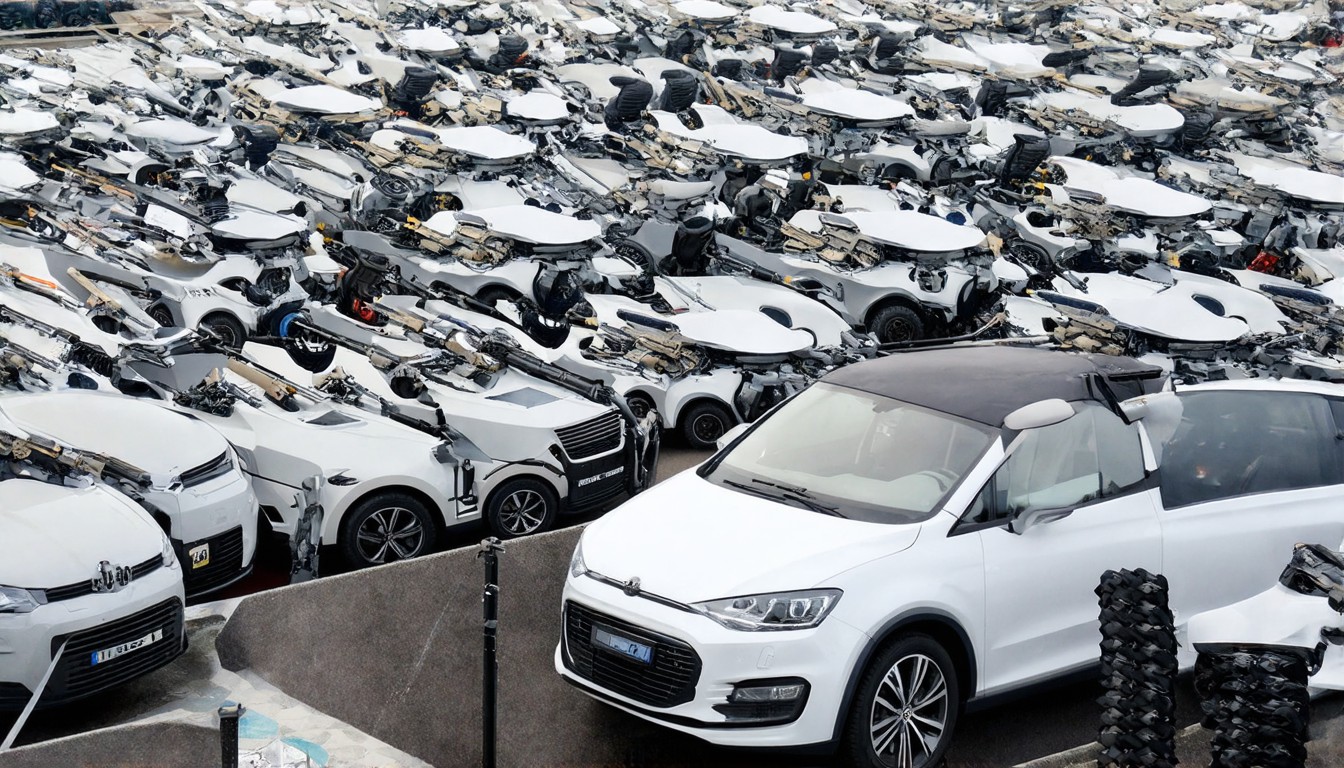
In recent years, Europe's car industry has faced significant challenges, struggling to adapt to shifting consumer preferences and global competition. As electric vehicles and autonomous driving technologies gain traction, traditional automakers have been forced to reevaluate their strategies. However, some experts argue that the defense sector could provide a lifeline for the struggling industry, offering a pathway for transformation and survival.
The idea of transitioning from automotive manufacturing to defense production is not entirely new. Historically, many European car companies have dabbled in military vehicle production, particularly during wartime. But the scale and complexity of such a shift have raised concerns among industry analysts and policymakers. Nonetheless, the prospect of leveraging existing expertise and infrastructure to pivot towards defense has gained traction as a potential solution to Europe's automotive woes.
One of the key factors enabling this transition is the high degree of transferability between automotive and defense sectors. Engineers and technicians trained in automotive design often possess the skills needed for defense applications, such as precision engineering, materials science, and system integration. This transferability is further enhanced by the shared use of advanced technologies, including robotics, automation, and digital manufacturing processes.
Moreover, defense contracts can provide a much-needed boost to the automotive supply chain. By diversifying into defense production, European car manufacturers could stabilize their workforce and maintain critical manufacturing capabilities. This shift could also help alleviate the pressure on governments to provide bailouts or subsidies, as the industry would be better positioned to adapt to market changes.
However, the transition is not without its challenges. Defense contracts are often long-term and subject to strict regulatory requirements, which may not align with the agility of the automotive sector. Additionally, the defense market is highly competitive, with established players and a focus on national security priorities that may not always favor European manufacturers.
Despite these hurdles, several European automakers have already begun exploring opportunities in the defense sector. For instance, companies like Volkswagen and Renault have ventured into military vehicle production, leveraging their existing capabilities in vehicle design and manufacturing. These efforts highlight the potential for a strategic pivot that could safeguard Europe's car industry from collapse.
The transition from automotive to defense production is not a panacea, but it does offer a viable alternative for Europe's struggling car industry. By harnessing the transferability of skills and technologies, manufacturers can adapt to the evolving market landscape and secure a sustainable future. While the path is fraught with challenges, the potential benefits of this shift—stabilizing the industry, maintaining jobs, and preserving manufacturing expertise—make it a compelling option worth exploring.
In conclusion, the defense sector presents a unique opportunity for Europe's car industry to navigate the complexities of the modern automotive landscape. By leveraging the transferability of skills and technologies, manufacturers can pivot towards defense production, ensuring their long-term viability. While the transition is not without its risks and obstacles, it represents a strategic pathway that could help safeguard the industry's future and maintain its global competitiveness. As the automotive world continues to evolve, the defense sector may just be the unexpected savior for Europe's ailing car industry.








