
Anthropic Takes The Pentagon To Court This Week. Here’s What Could Happen.
Could Anthropic make its way back into a multi-billion dollar opportunity with the U.S. government? A federal judge could grant it temporary relief this week.
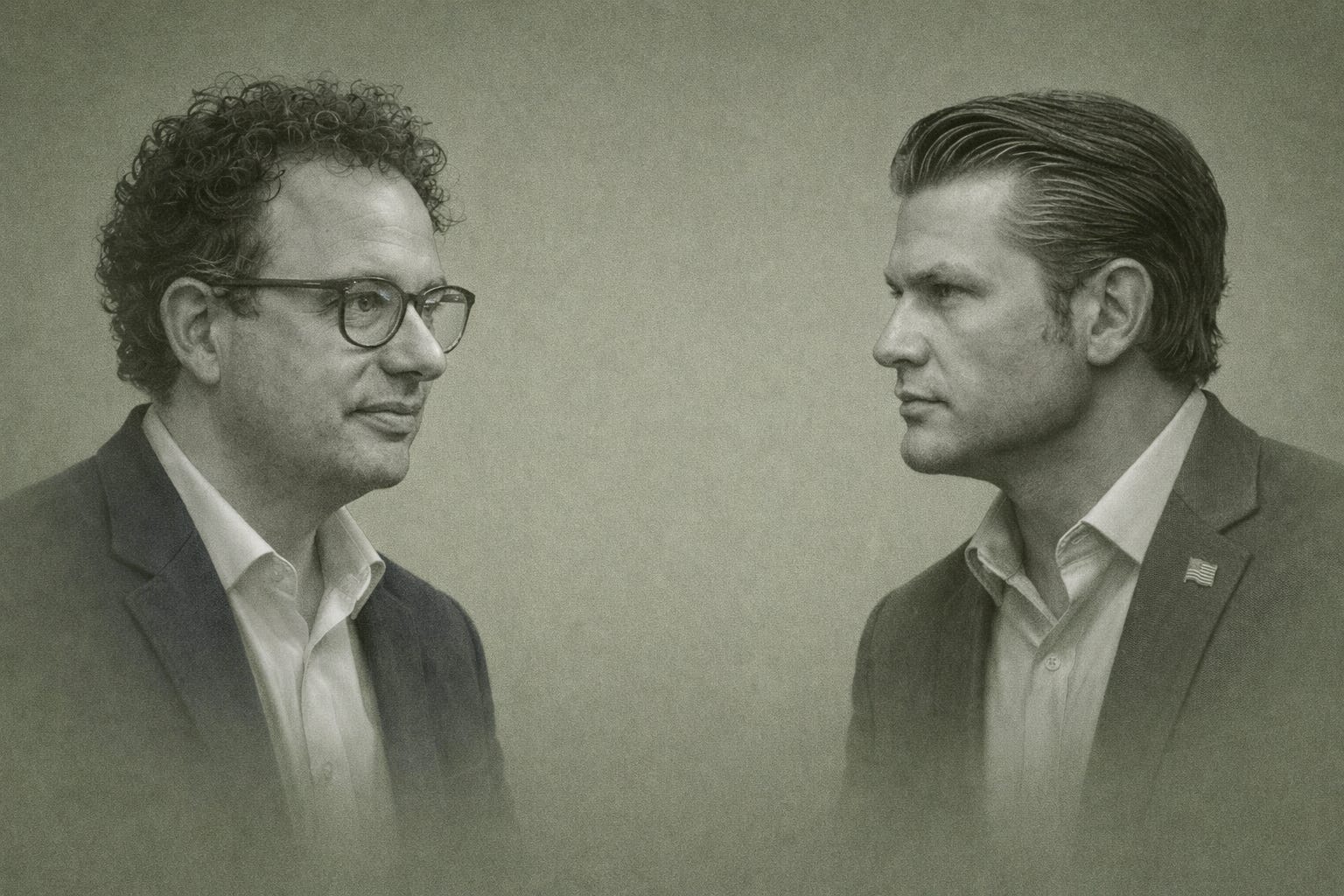
Anthropic, a leading AI company, is set to take on the U.S. government in a high-stakes legal battle this week. The case centers around a federal judge's decision to grant temporary relief to Anthropic, which has been placed under a supply-chain risk designation by the Pentagon. This designation stems from Anthropic's refusal to allow the government to use its Claude models for domestic surveillance or autonomous warfare. The hearing, scheduled for Tuesday in California, could potentially alter the trajectory of Anthropic's involvement in a multi-billion-dollar opportunity with the U.S. government.
The case is part of Anthropic's parallel lawsuits against the U.S. government, with one filed in California's northern district and another in Washington, D.C. As the legal battle unfolds, the Trump administration is reportedly exploring new ways to force companies to abandon their AI safety and privacy protocols. A recent report from The Lever detailed a proposal that would require AI vendors to make their technology available for "any lawful government purpose," even if a company objects.
Ahead of this week's hearing, filings from Anthropic, the government, and third parties provide insight into the legal arguments at play. Winning a preliminary injunction, which would freeze the government's order to remove Anthropic from all U.S. federal agencies, requires demonstrating four key factors: that Anthropic is likely to win the full case, that it would suffer irreparable harm without the injunction, that it has more to lose than the government if the preliminary injunction is denied, and that the injunction would be in the public's interest.
Anthropic's case hinges on four main arguments. First, the company asserts that its refusal to allow Claude for autonomous weapons and mass surveillance is protected by the First Amendment. Anthropic argues that its right to free speech and the right to refuse to participate in unethical activities are being violated. Second, the company claims that its Fifth Amendment protections were violated when the government blacklisted it without adequate notice or due process. Anthropic maintains that the sudden and arbitrary designation has caused significant harm to its business operations and reputation.
Third, Anthropic contends that Secretary of Defense Pete Hegseth exceeded his statutory authority by misusing a law reserved for foreign adversaries. The company argues that the National Defense Authorization Act (NDAA) Section 764, which was intended to address threats from foreign adversaries, has been improperly applied to a domestic entity. Anthropic believes that this misuse of power has led to an unjust and unlawful designation.
Finally, Anthropic argues that President Trump's government-wide directive to prioritize the use of AI systems poses a significant risk to national security. The company asserts that the directive is arbitrary and capricious, and that it has not been adequately justified. Anthropic maintains that the directive's implementation could lead to unintended consequences, such as the development of unsafe or unethical AI technologies.
As the case progresses, the legal arguments will likely focus on the balance between national security concerns and the rights of private companies to protect their intellectual property and maintain ethical standards in AI development. The outcome of this week's hearing could set a precedent for how the U.S. government interacts with AI companies in the future, influencing the development and deployment of AI technologies across the country.
In addition to the legal battle, the Trump administration's proposed changes to AI regulations are raising concerns about the potential erosion of privacy and safety protections. The recent proposal, detailed in The Lever's report, would force AI vendors to make their technology available for any lawful government purpose, even if the company objects. This could lead to a situation where AI companies are compelled to participate in activities that they believe are unethical or pose significant risks to society.
The Anthropic case is not only a legal battle but also a reflection of the broader debate surrounding the role of AI in government and society. As AI technologies continue to advance at a rapid pace, the need for clear regulations and ethical guidelines becomes more pressing. The outcome of this week's hearing will be closely watched by the tech industry, civil liberties organizations, and national security experts, as it could have far-reaching implications for the future of AI in the United States.
In conclusion, Anthropic's legal challenge to the U.S. government's supply-chain risk designation is a pivotal moment in the ongoing struggle between national security concerns and the rights of private companies to protect their AI technologies and maintain ethical standards. The case's outcome will likely shape the trajectory of AI development and government-industry relations in the coming years, highlighting the complex interplay between technology, policy, and society.









