
Anthropic CEO: We're trying to "deescalate" Pentagon AI standoff to reach agreement
Anthropic CEO Dario Amodei said his company and the Department of Defense "have much more in common than we have differences."
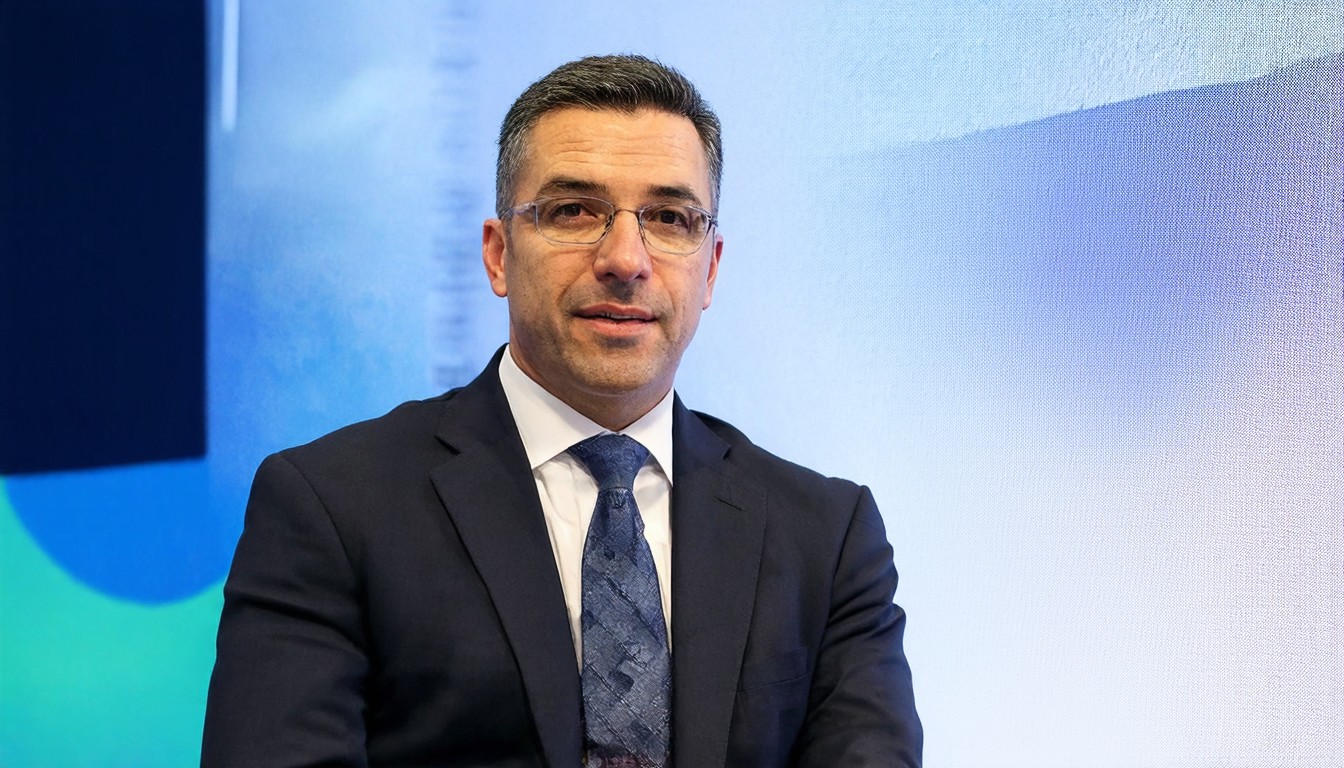
In a recent statement, Anthropic CEO Dario Amodei emphasized the company's efforts to "deescalate" the tense standoff with the Pentagon over AI development. Amodei highlighted that Anthropic and the Department of Defense "have much more in common than we have differences," suggesting a potential path toward agreement.
The standoff between Anthropic and the Pentagon has been brewing since the defense department announced its plans to develop its own AI systems, sparking concerns among AI researchers about the potential for an arms race. Anthropic, a leading AI research company, has been vocal about the risks of unchecked AI development and the importance of collaboration to ensure responsible advancements.
Amodei's comments come as a response to the Pentagon's move to invest heavily in AI capabilities, which some experts argue could lead to a competitive and potentially destabilizing environment. Anthropic, which has been working on developing powerful AI models like Claude, has been advocating for a more cooperative approach to AI development, emphasizing the need for shared standards and ethical guidelines.
In his statement, Amodei underscored that Anthropic is not opposed to the Pentagon's efforts but believes that collaboration could yield better results. He argued that both parties share a common goal of advancing AI technology responsibly and for the benefit of society. Amodei suggested that by focusing on areas of agreement, Anthropic and the Pentagon could work together to establish frameworks that promote transparency, safety, and ethical use of AI.
Despite the apparent differences in approach, Amodei's remarks indicate a willingness to engage in dialogue and find common ground. He acknowledged that the Pentagon's objectives may differ from those of Anthropic, but he believes that a constructive conversation could lead to a mutually beneficial agreement.
The Pentagon's stance on AI development has been driven by national security concerns, particularly in the context of competition with other global powers. The department's investments in AI are aimed at ensuring military readiness and technological superiority. However, critics argue that such a focus could lead to a race for dominance, with potentially negative consequences for global stability and ethical AI practices.
Anthropic, on the other hand, has positioned itself as a leader in responsible AI development. The company has been vocal about the need for ethical AI research and has called for increased collaboration among AI developers to address shared challenges. Amodei's comments suggest that Anthropic is eager to engage with the Pentagon to explore ways in which their respective goals can be aligned.
The standoff between Anthropic and the Pentagon highlights the complexities of AI development in an era of rapid technological advancement. As AI continues to evolve, the need for clear guidelines and international cooperation becomes increasingly urgent. Amodei's call for de-escalation and collaboration underscores the importance of finding a balance between national security priorities and the broader societal benefits of AI.
In conclusion, Anthropic CEO Dario Amodei's recent statement reflects a desire for dialogue and cooperation between his company and the Pentagon. By emphasizing shared goals and the potential for agreement, Amodei is advocating for a more collaborative approach to AI development. Whether this de-escalation will lead to a successful agreement remains to be seen, but Amodei's message serves as a reminder of the potential benefits that can arise from unity in the face of common challenges.









