
Anthropic CEO: We're trying to "deescalate" Pentagon AI standoff to reach agreement
Anthropic CEO Dario Amodei said his company and the Department of Defense "have much more in common than we have differences."
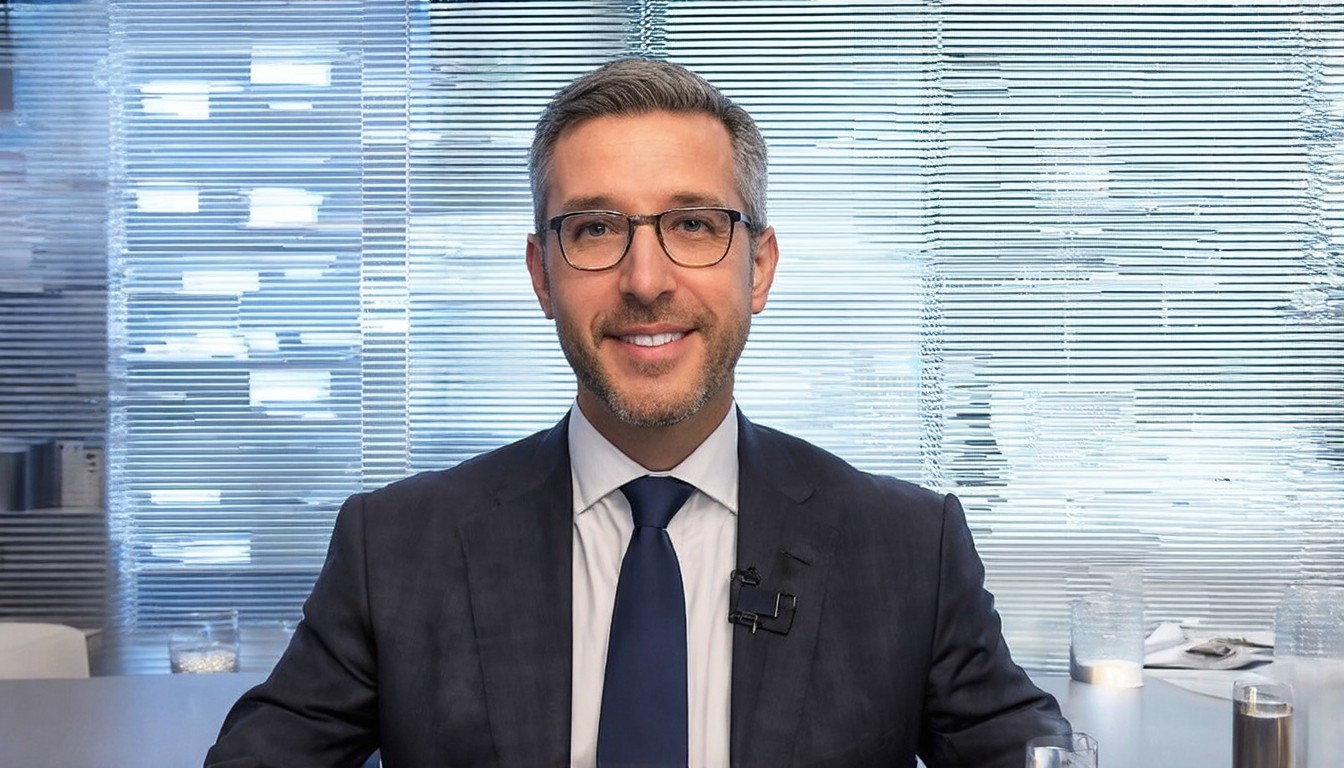
In a recent statement, Anthropic CEO Dario Amodei emphasized the company's efforts to "deescalate" the tense standoff with the Pentagon over AI development. Amodei highlighted that Anthropic and the Department of Defense "have much more in common than we have differences," suggesting a potential path toward agreement. This move comes as both parties have been navigating the complex landscape of AI ethics and military applications, with Anthropic focusing on developing AI for human-centric purposes and the Pentagon prioritizing national security.
The standoff between Anthropic and the Pentagon has been a focal point in the broader AI community, as it reflects the growing concerns around the potential misuse of advanced AI technologies. Anthropic, a leading AI research company, has been vocal about its commitment to aligning AI with human values, a stance that has drawn attention and support from various stakeholders. On the other hand, the Pentagon's interest in leveraging AI for military purposes has raised concerns about the ethical implications and the potential for an AI arms race.
Amodei's statement underscores Anthropic's willingness to engage in dialogue with the Pentagon, aiming to find common ground. He noted that both organizations share a vested interest in ensuring the responsible development and deployment of AI technologies. By framing the discussion in terms of shared objectives, Amodei is attempting to shift the narrative away from adversarial posturing and toward collaborative problem-solving.
The Pentagon's approach to AI has been shaped by its strategic priorities, particularly the need to maintain a competitive edge in the evolving global security landscape. The department has invested significantly in AI research and development, with a focus on applications such as autonomous systems, data analysis, and adversarial AI. This has led to concerns among some AI experts that the Pentagon's objectives could inadvertently push the boundaries of ethical AI development.
Anthropic, meanwhile, has positioned itself as a champion of AI that serves human interests. The company's mission is to build AI systems that are capable, reliable, and beneficial to humanity. This includes developing AI that can understand and align with human values, a goal that has resonated with many in the tech and academic communities. By contrasting its human-centric approach with the Pentagon's military-focused agenda, Anthropic has positioned itself as a defender of ethical AI practices.
Amodei's call for de-escalation suggests that Anthropic is eager to avoid a protracted conflict with the Pentagon. Instead, the company is seeking a mutually beneficial agreement that acknowledges the importance of both national security and ethical AI development. This could involve Anthropic collaborating with the Pentagon on projects that align with its values, or the department adopting more stringent ethical guidelines for its AI initiatives.
The Pentagon, for its part, may be open to engaging with Anthropic and other AI experts to ensure that its AI programs are developed responsibly. The department has already indicated its commitment to ethical AI practices, including the establishment of an AI Ethics Principles task force. This suggests that there may be a willingness on both sides to find common ground and work together to address the challenges posed by AI's rapid advancement.
In conclusion, Anthropic CEO Dario Amodei's statement marks a significant shift in the discourse surrounding the Pentagon AI standoff. By emphasizing shared objectives and the need for collaboration, Amodei is attempting to de-escalate tensions and pave the way for a constructive dialogue. Whether this will lead to a concrete agreement remains to be seen, but it is a positive step toward addressing the complex interplay between AI development, national security, and ethical considerations. As both parties continue to navigate this landscape, the potential for collaboration could ultimately result in a more harmonious and responsible approach to AI's future.









