
Another Round of Crop Insurance; Update from the Policy Design Lab
Political power will fix nothing of its own volition—it only operates in one direction. This means that fixing the federal crop insurance program likely has only two catalysts: either a collapse in which crop insurance can no longer defy reality and the fundamentals; or rival political powers achieve changes that improve the program’s integrity and bring it more into alignment with those fundamentals. This is the gamble designed into the program, a wager of about $15.5 billion per federal fiscal year.
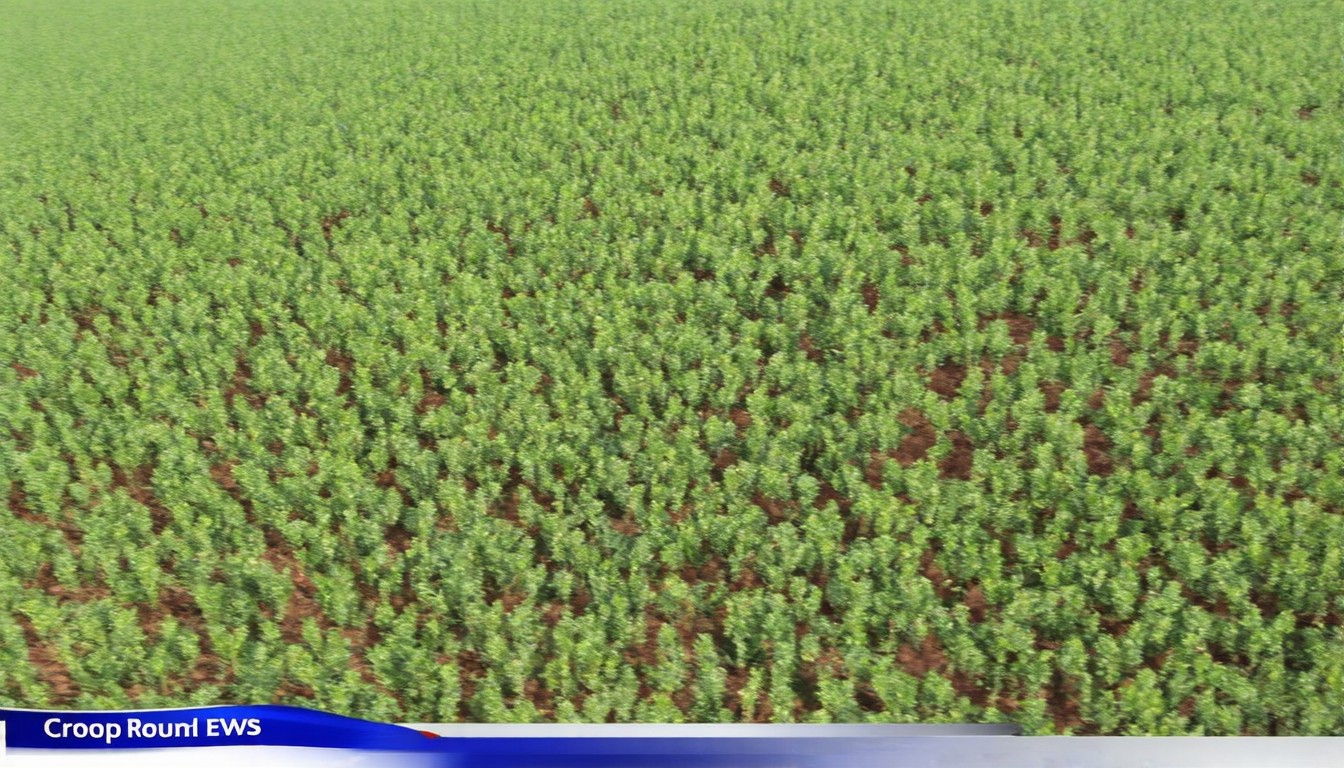
The federal crop insurance program, a cornerstone of agricultural policy in the United States, has long been a subject of debate and criticism. Critics argue that the program, which currently costs the federal government approximately $15.5 billion per year, is flawed and in need of significant reform. The question of how to address these issues has been a persistent one, with many believing that political power alone cannot drive the necessary changes.
The program's design, as outlined in recent analyses from the Policy Design Lab, suggests that there are only two potential catalysts for meaningful reform: either a collapse of the current system, forcing policymakers to confront the program's shortcomings, or the emergence of rival political forces that can push for improvements. This duality highlights the inherent challenges in overhauling a system that has been in place for decades and has become deeply entrenched in the political landscape.
The first catalyst—a collapse—would involve the program reaching a breaking point where it can no longer sustain its current structure. This could occur if crop insurance becomes unsustainable financially, leading to significant losses for the government or if it fails to adequately protect farmers in the face of increasingly unpredictable weather patterns and market fluctuations. Such a collapse would likely force policymakers to act, as the program's failure would have severe consequences for both farmers and the broader agricultural sector.
The second catalyst—rival political powers—refers to the possibility of new or alternative political forces gaining enough influence to drive reform. This could involve a shift in political power dynamics, such as a change in party control of Congress or the presidency, or the emergence of new political movements or coalitions that prioritize agricultural reform as a key policy area. These rival powers would need to not only identify the program's flaws but also develop and implement a viable alternative that addresses the core issues while maintaining the program's essential purpose of providing stability and security for farmers.
The Policy Design Lab's analysis underscores the importance of proactive engagement and dialogue among stakeholders, including farmers, policymakers, and experts, in order to identify potential reforms that can be enacted before a collapse occurs. This includes examining alternative insurance models, such as those that incorporate risk management tools or leverage technology to improve efficiency and effectiveness.
Moreover, the lab emphasizes the need for a comprehensive evaluation of the program's impact on farmers of different sizes and regions, as well as its role in shaping agricultural markets and policies. By understanding these dynamics, policymakers can better design reforms that are equitable, sustainable, and aligned with the evolving needs of the agricultural sector.
In conclusion, the federal crop insurance program faces significant challenges that require urgent attention. While political power alone may not be sufficient to drive the necessary changes, the existence of two potential catalysts for reform—a collapse or rival political forces—offers hope for a more equitable and effective system. The key to success will lie in the ability of policymakers, farmers, and other stakeholders to work collaboratively and proactively to address the program's flaws and ensure its long-term viability.








