
Andrew Ross Sorkin on the Risk if AI Succeeds, Private Credit, Prediction Markets, and the SpaceX IPO
Could AI lead to mass unemployment, and then cause the market to go bust? The CNBC anchor and New York Times columnist and editor has some ideas.
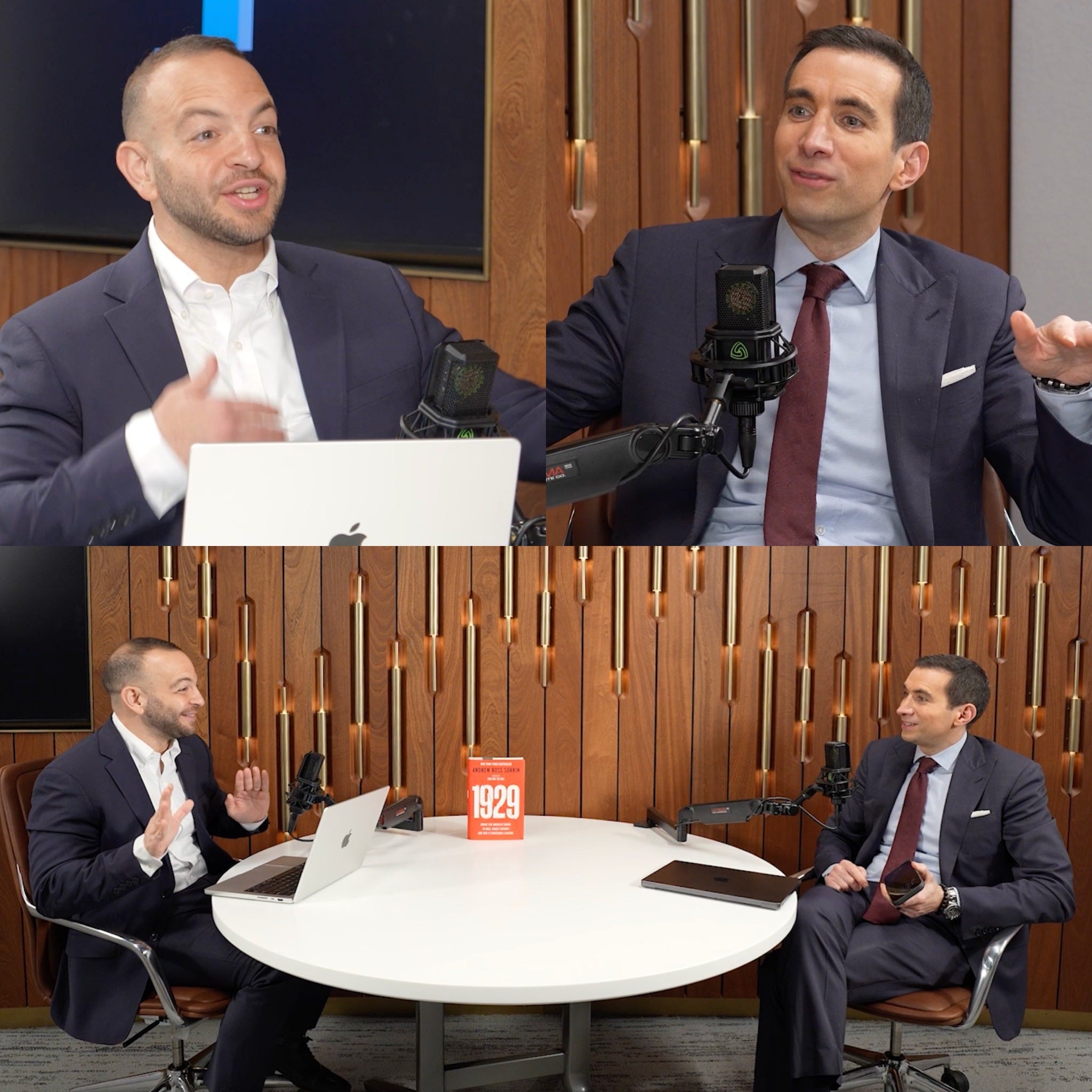
Andrew Ross Sorkin, a prominent CNBC anchor and New York Times columnist, has long been concerned about the potential risks posed by the rapid development of artificial intelligence (AI). In his recent book on the 1929 stock market crash, Sorkin highlighted the dangers of a debt-reliant AI buildout, suggesting that it could lead to a catastrophic collapse. Now, as the market grapples with the possibility of AI's success, Sorkin's concerns have taken on new relevance.
In an hour-long conversation at the New York Stock Exchange, Sorkin discussed the potential implications of AI's success on various fronts, including labor, capital, private credit, prediction markets, and even the SpaceX IPO. He emphasized that while the 1929 crash was primarily driven by debt, the current risks are more closely tied to AI's potential to disrupt the economy on a massive scale.
Sorkin posits that the most significant concern is not a traditional market crash but rather a scenario reminiscent of 1932, when the U.S. experienced 25% unemployment. He argues that this level of unemployment could be triggered if AI achieves unprecedented levels of success, leading to massive job displacement. The key question, according to Sorkin, is whether the productivity gains from AI will be sufficient to offset the economic disruption caused by widespread unemployment.
The labor side of AI's success is a critical concern. As AI systems become more advanced, they have the potential to replace human workers in various industries, leading to significant job losses. This displacement could result in a sharp rise in unemployment, which in turn could cause a severe economic downturn. Sorkin believes that the market's current anxiety about AI's potential to succeed stems from this very real risk.
In addition to the labor implications, Sorkin also touches on the impact of AI on private credit. He suggests that the rapid development of AI could lead to an unsustainable buildup of debt, as investors pour money into AI ventures in the hopes of capturing the next big breakthrough. This speculative frenzy could ultimately result in a bubble that bursts, causing widespread financial instability.
Sorkin also explores the role of prediction markets in assessing the risks associated with AI's success. Prediction markets, which allow participants to trade contracts based on the likelihood of future events, have become increasingly popular in recent years. Sorkin questions whether these markets can accurately gauge the risks posed by AI, given the complexity and uncertainty surrounding the technology.
The SpaceX IPO, which took place earlier this year, serves as an example of the market's current optimism regarding AI and space exploration. While the IPO was a resounding success, Sorkin cautions that it may not be representative of the broader market's health. He suggests that the market's enthusiasm for AI could be fleeting, and that investors may soon face a harsh reality as the risks associated with AI's success become more apparent.
In conclusion, Andrew Ross Sorkin's concerns about AI's potential to disrupt the economy are grounded in a realistic assessment of the technology's capabilities and the risks it poses. While the market currently appears to be in a state of euphoria regarding AI's potential, Sorkin warns that this optimism could be short-lived. The risks associated with AI's success are significant, and investors and policymakers must remain vigilant to prevent a catastrophic economic collapse. As the AI revolution continues to unfold, it will be crucial to balance the potential benefits with the inherent risks, ensuring that the technology is developed in a way that benefits society as a whole.









