
Andrew Ross Sorkin on the Risk if AI Succeeds, Private Credit, Prediction Markets, and the SpaceX IPO
Could AI lead to mass unemployment, and then cause the market to go bust? The CNBC anchor and New York Times columnist and editor has some ideas.
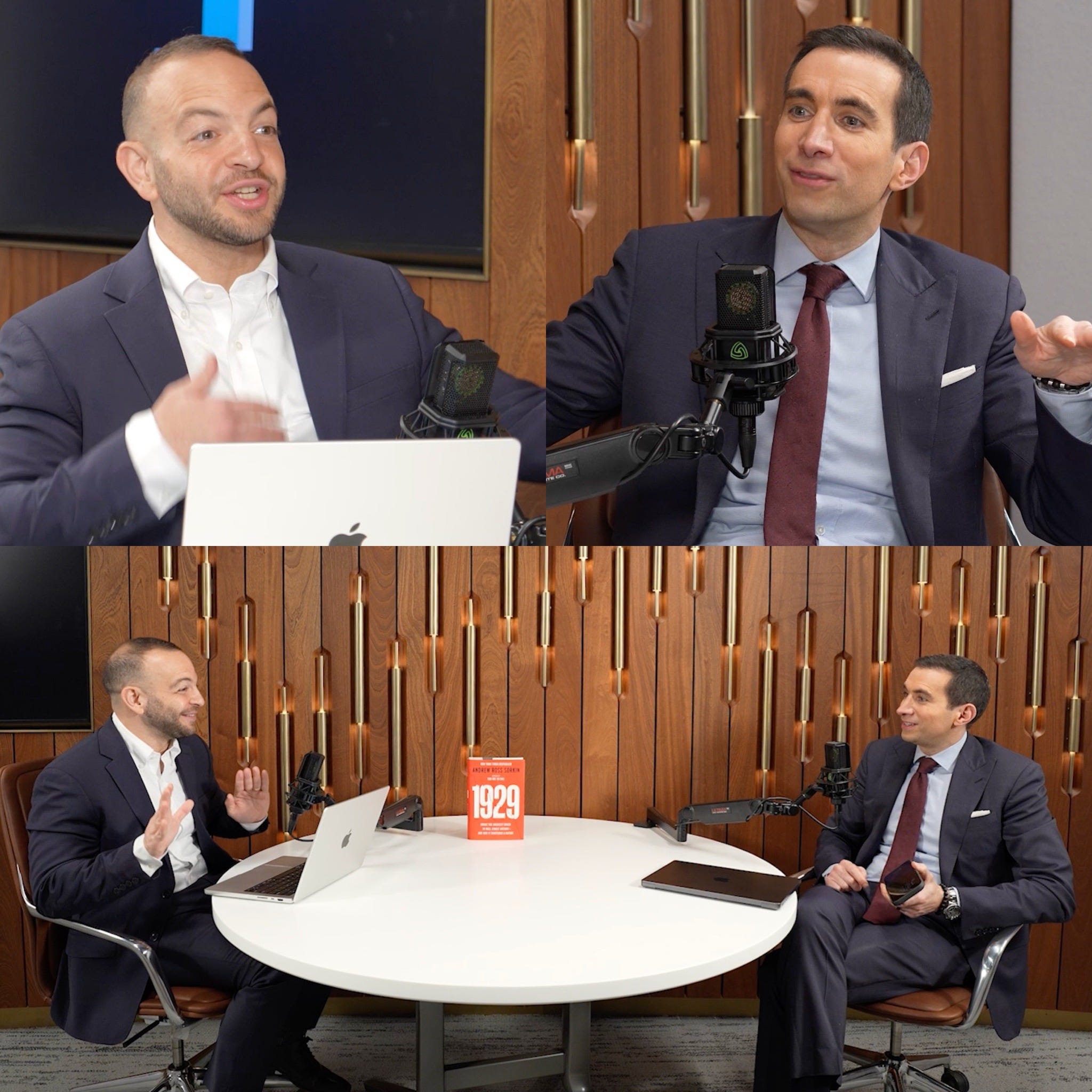
Andrew Ross Sorkin, a prominent CNBC anchor and New York Times columnist, has long been concerned about the potential risks posed by the rapid development of artificial intelligence (AI). In his recent book on the 1929 stock market crash, Sorkin highlighted the dangers of a debt-reliant AI buildout, suggesting that it could lead to a catastrophic collapse. Now, as the market grapples with the possibility of AI's success, Sorkin's concerns have taken on new relevance.
In a recent conversation at the New York Stock Exchange, Sorkin discussed the potential impact of AI on the labor market, private credit, prediction markets, and even the SpaceX IPO. He emphasized that the current worries about AI's success are not unfounded, and if realized, could indeed cause significant market turmoil.
Sorkin began by addressing the question of whether AI could lead to mass unemployment, a scenario that could mirror the Great Depression's devastating effects. He argued that the key to understanding this lies in the concept of productivity. If AI is as successful as many hope, it could drive productivity to unprecedented levels. However, this productivity gain could also result in widespread job displacement, particularly in industries that rely heavily on human labor.
The labor market is not the only area at risk. Sorkin also explored the potential impact of AI on private credit. As AI becomes more advanced, it may lead to a shift in the economy from a labor-driven model to one that is capital-intensive. This transition could create significant challenges for private credit markets, as the demand for credit may change dramatically. Sorkin warned that if this shift is not managed carefully, it could lead to instability in the financial system.
Prediction markets, which allow participants to trade predictions about future events, also hold intriguing possibilities in the context of AI's success. Sorkin suggested that these markets could play a crucial role in gauging public sentiment and anticipating potential risks. However, he cautioned that prediction markets must be regulated to prevent manipulation and ensure that they remain a reliable indicator of future events.
The SpaceX IPO, a high-profile event in the world of technology, also served as a point of discussion. Sorkin noted that the success of companies like SpaceX, which are heavily invested in cutting-edge technology, could be both a driver and a reflection of broader market trends. He suggested that the IPO's outcome could provide valuable insights into investor sentiment and the market's perception of AI's potential.
Throughout the conversation, Sorkin emphasized the importance of staying vigilant and proactive in addressing the challenges posed by AI's success. He called for a balanced approach that acknowledges the immense potential of AI while also recognizing the risks it presents. By doing so, policymakers and investors can better prepare for the future and mitigate the potential for a catastrophic collapse akin to the 1929 crash.
In conclusion, Andrew Ross Sorkin's insights into the potential risks of AI's success provide a compelling reminder of the need for careful consideration and strategic planning. As the market continues to grapple with the implications of AI's advancements, Sorkin's analysis serves as a valuable guide for navigating the complex landscape of technology, finance, and society.









