
Andrew and his family absent as British royals attend Easter service
Britain's King Charles and Queen Camilla attended the traditional Easter service at Windsor Castle on Sunday, joined by heir to the throne Prince William.
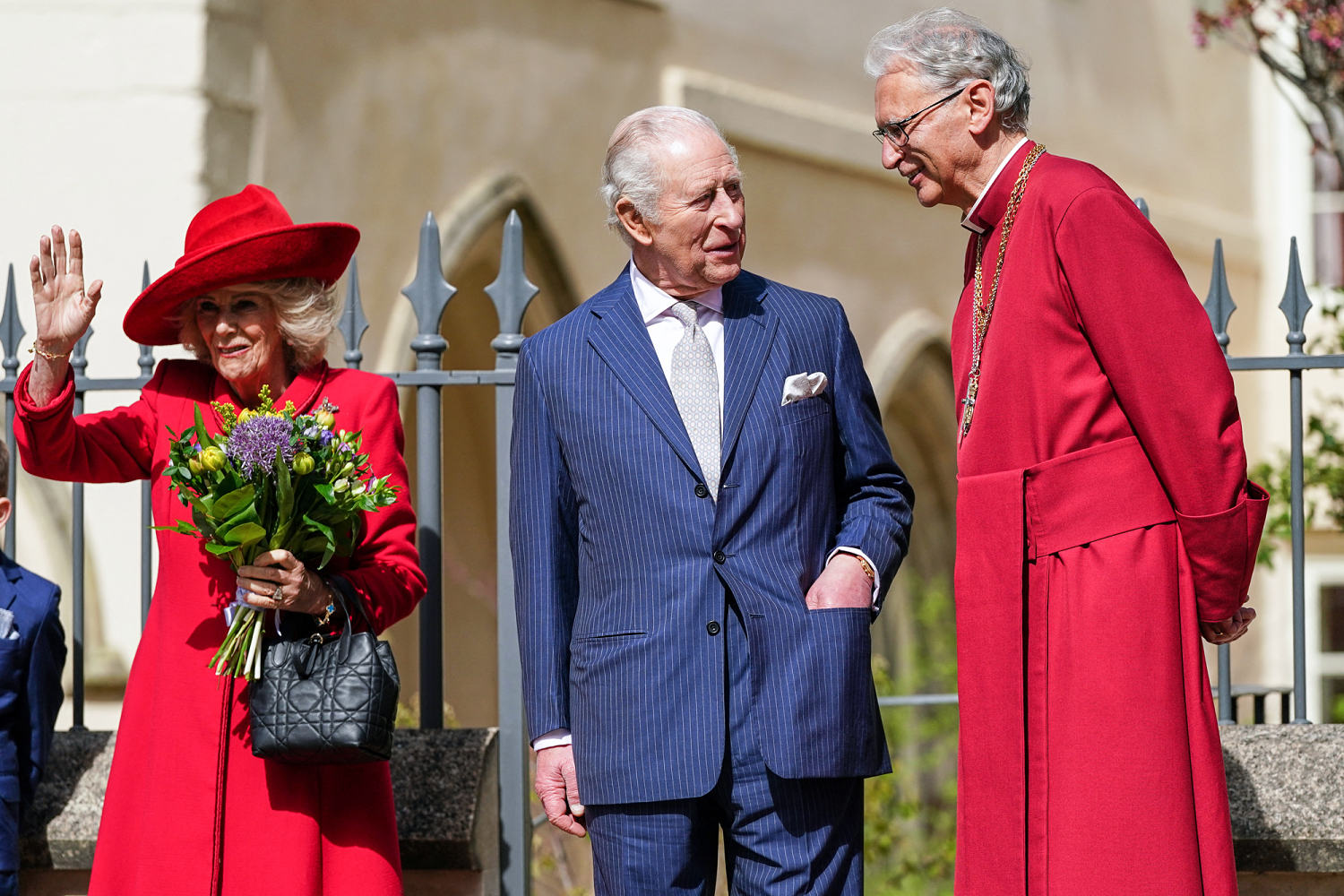
On a sunny Sunday morning in Windsor, the traditional Easter service at St. George's Chapel drew a significant gathering of British royals, including King Charles III and Queen Camilla, along with their son Prince William. The service, a longstanding tradition, was attended by the royal family, marking a continuation of the monarchy's enduring connection to the Christian faith.
King Charles III, dressed in a traditional morning dress, arrived at the chapel alongside his wife, Queen Camilla, who wore a light-colored coat and hat. The couple exchanged warm greetings with the clergy and other attendees, reflecting the familiarity and camaraderie often seen among the royals and their staff. The service, known as Easter Matins, is a solemn and reflective occasion, celebrating the resurrection of Jesus Christ and the triumph of life over death.
Prince William, heir to the throne, was also present, accompanied by his wife, Catherine, Duchess of Cambridge. The couple, known for their private demeanor, joined the other royals in prayer and reflection, showcasing their dedication to upholding royal duties. The presence of the future king and queen at the service underscored the importance of tradition and continuity within the British monarchy.
Among the attendees was also the Dean of Windsor, Christopher Cocksworth, who played a pivotal role in conducting the service. The dean, a close confidant of the royal family, has been a constant presence at Windsor Castle for several years, providing spiritual guidance and support to the royals. King Charles III was seen engaging in conversation with the dean after the service, highlighting the close relationship between the monarchy and the Church of England.
The absence of Prince Andrew, Duke of York, and his family from the Easter service was noted. Prince Andrew, the second son of Queen Elizabeth II, has been a subject of controversy in recent years due to his association with the late Jeffrey Epstein, a convicted sex offender. His absence from public engagements, including this significant royal event, has been a point of discussion among observers.
The Easter service at Windsor Castle has been a cherished tradition for the British royal family for centuries. It is a time for the royals to come together, reflect on their duties, and reaffirm their commitment to the nation. The attendance of King Charles III, Queen Camilla, and Prince William at this year's service served as a reminder of the enduring role of the monarchy in British life, even as the family faces challenges and changes.
In the aftermath of the service, the royals were seen leaving the chapel, their expressions serene and thoughtful. The gathering provided an opportunity for the family to come together in a moment of shared spirituality, offering a brief respite from the complexities of modern royal life. As the royals continue to navigate their roles in a changing world, their participation in such ceremonial events serves as a testament to the monarchy's resilience and adaptability.
The Easter service at Windsor Castle is not only a religious occasion but also a symbol of the enduring bond between the British monarchy and its people. The presence of the royals at such events reinforces the idea that, despite the challenges they face, the monarchy remains a steadfast institution, deeply rooted in tradition and committed to service.
In conclusion, the Easter Matins service at Windsor Castle on Sunday was a solemn and meaningful occasion for the British royal family. The attendance of King Charles III, Queen Camilla, and Prince William highlighted the monarchy's unwavering dedication to tradition and spirituality. The absence of Prince Andrew and his family, however, served as a reminder of the challenges the royal family continues to face. As the royals gather for such ceremonial events, they reaffirm their role as a unifying symbol of British history and culture, adapting to the changing times while preserving their legacy.









