
Analysis: Trump's Iran speech ignores the risks of a return to the 1970s
Oil shocks crippled past presidencies. The Iran war is putting Trump into the danger zone.
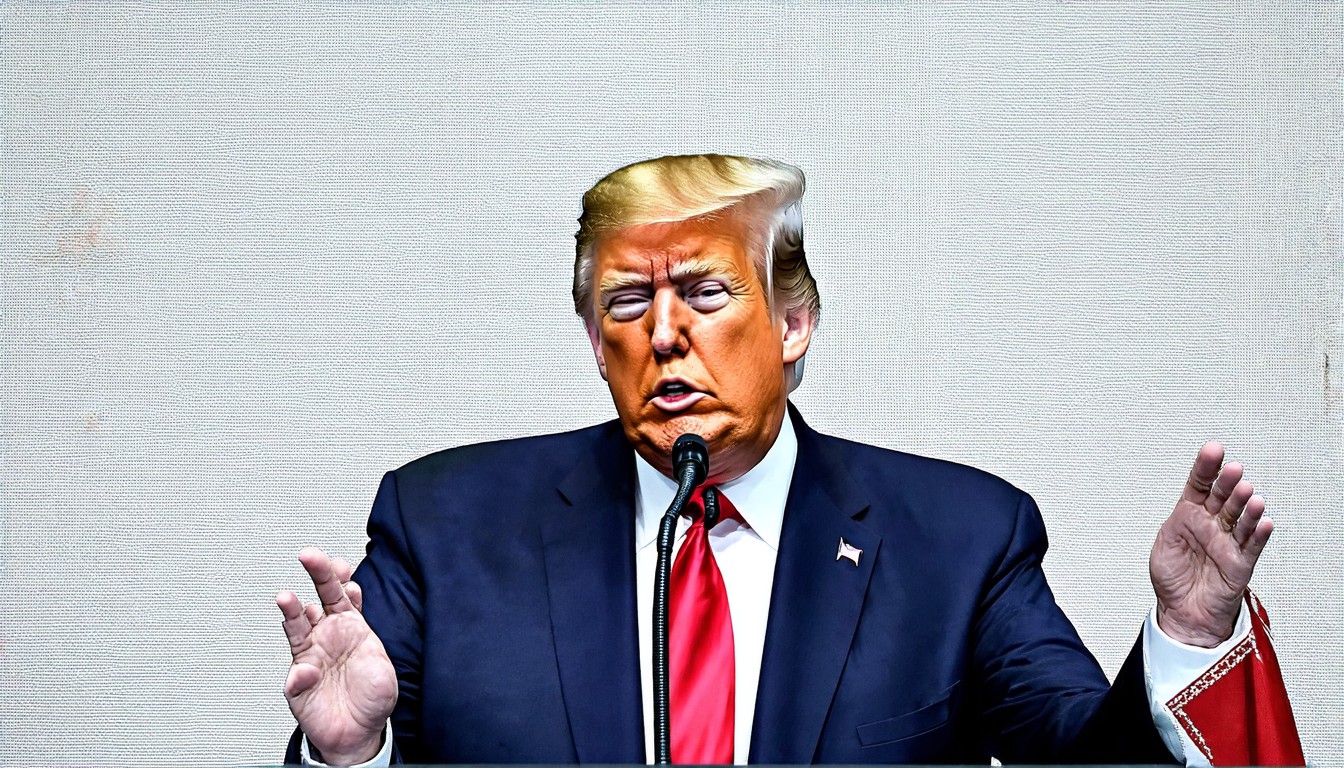
In recent weeks, President Trump's aggressive rhetoric towards Iran has reignited concerns about the potential for a return to the volatile geopolitical landscape of the 1970s. This era, marked by the Iranian Revolution and subsequent hostage crisis, as well as the 1973 oil crisis, left lasting impacts on global economies and political stability. As tensions rise, critics argue that Trump's approach risks repeating the mistakes of the past, potentially leading to severe consequences for both the United States and the international community.
The 1970s were a decade of significant upheaval, characterized by a series of events that reshaped the global order. The 1973 oil crisis, triggered by the Yom Kippur War and subsequent oil embargo declared by the Organization of Petroleum Exporting Countries (OPEC), led to skyrocketing fuel prices and severe economic recessions in many Western nations. This crisis not only strained economies but also fueled political instability, contributing to the downfall of several leaders. In the United States, the oil shock exacerbated inflation and unemployment, contributing to public dissatisfaction with President Richard Nixon's administration. The resulting economic turmoil ultimately led to Nixon's resignation in 1974, following the Watergate scandal.
Similarly, the Iranian Revolution of 1979, which overthrew the Shah of Iran and established an Islamic Republic, had profound implications for global politics. The subsequent hostage crisis, in which a group of Iranian students occupied the U.S. Embassy in Tehran and held American diplomats hostage for 444 days, further strained relations between the two nations. The crisis deeply affected the administration of President Jimmy Carter, who faced criticism for perceived weakness in handling the situation. The hostage crisis is often cited as a pivotal moment that contributed to Carter's defeat in the 1980 presidential election, marking the end of his political career.
Fast forward to the present day, and parallels are being drawn between the 1970s and the current geopolitical climate. As tensions between the U.S. and Iran escalate, concerns about the potential for another oil shock have resurfaced. Iran is a significant player in global oil markets, and any disruption to its production could lead to sharp increases in oil prices. Such a scenario would have severe economic repercussions, potentially triggering inflation, job losses, and reduced consumer confidence—all of which could destabilize the Trump administration.
Moreover, the risks extend beyond economic impacts. A return to the 1970s-style geopolitical tensions could lead to broader regional conflicts, as Iran's influence in the Middle East and beyond is contested by various actors, including the U.S., Israel, and Saudi Arabia. The potential for a full-scale war between the U.S. and Iran could have far-reaching consequences, with ripple effects across the Middle East and beyond. Such a conflict could also strain alliances, particularly with European nations that have significant economic ties to Iran.
Critics of Trump's approach argue that his aggressive rhetoric risks emboldening Iran, rather than deterring it. They contend that a more nuanced diplomatic strategy, one that includes engagement with Iranian leaders and regional stakeholders, would be more effective in addressing shared concerns. By contrast, Trump's "maximum pressure" campaign, which includes economic sanctions and threats of military action, could inadvertently push Iran towards further provocations or even a confrontation that neither side is prepared to handle.
In addition to the risks of economic and geopolitical instability, there are also concerns about the impact on Trump's political standing. The 1970s oil crisis and the Iran hostage crisis both contributed to the downfall of presidents, and some analysts suggest that a similar dynamic could unfold under Trump. If the current administration is unable to manage the situation effectively, it could face significant public backlash, potentially undermining Trump's re-election prospects in 2020.
In conclusion, as President Trump's administration continues to escalate tensions with Iran, the risks of a return to the volatile 1970s are stark. The potential for another oil shock, combined with the complexities of regional conflicts and the challenges of managing a volatile alliance landscape, present significant dangers for both the U.S. and the international community. While the stakes are high, it remains to be seen whether Trump's approach will ultimately succeed in achieving its objectives, or if it will instead lead to a scenario akin to the challenges faced by his predecessors in the 1970s.








