
Analysis by avalanche experts questions decisions by guides on deadly California backcountry trip
Two months after the deadliest avalanche in modern California history, an analysis by leading U.S. experts is questioning the decisions by the guides to lead such a large group through dangerous terrain amid avalanche warnings.
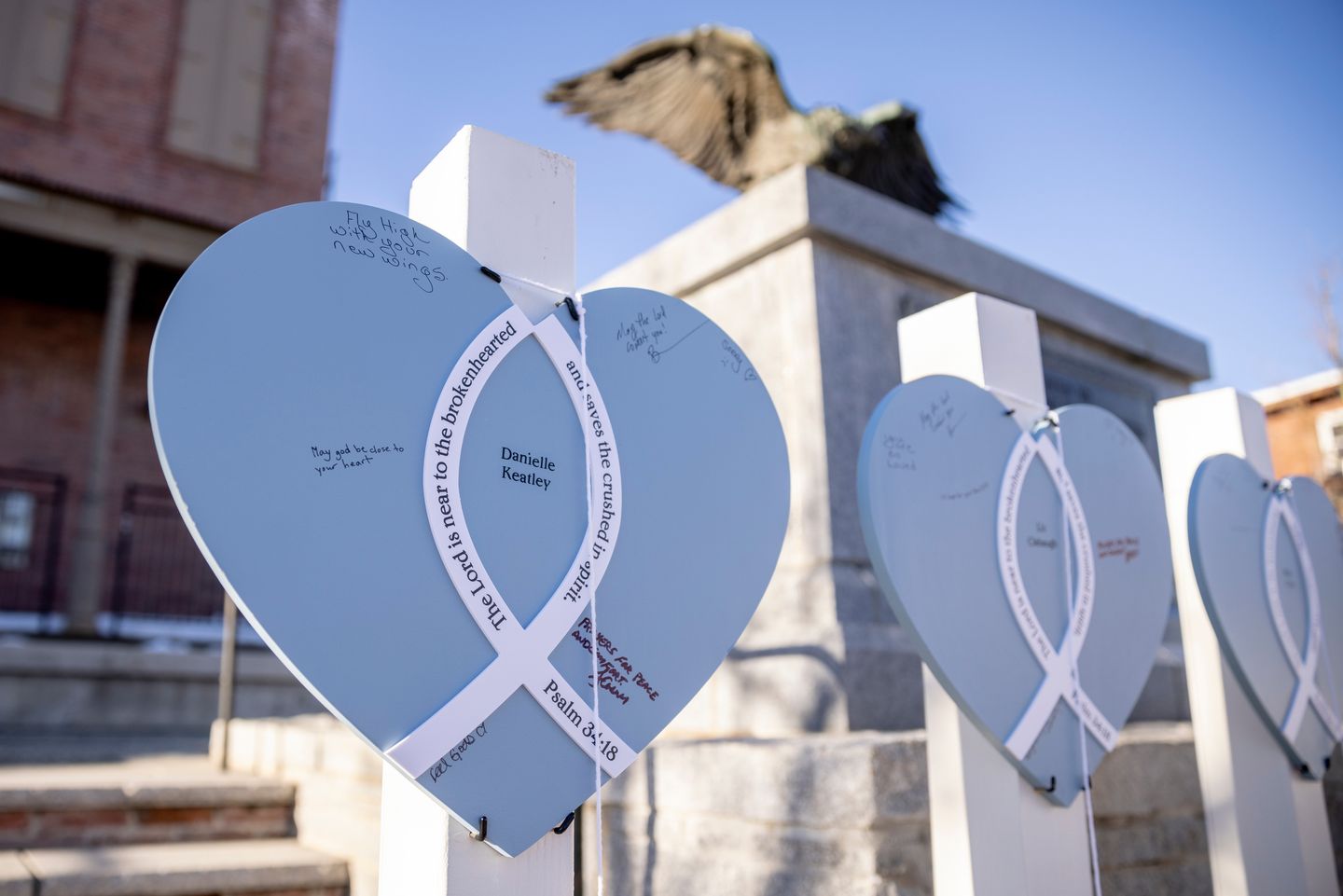
Two months after the deadliest avalanche in modern California history, an analysis by leading U.S. avalanche experts is raising questions about the decisions made by the guides who led a large group through perilous terrain during active avalanche warnings. The tragedy, which claimed the lives of 11 skiers and snowboarders, has sparked a renewed examination of safety protocols and the role of professional guides in managing risks in the backcountry.
The avalanche struck on February 5th, burying a group of 28 recreationalists near Mammoth Mountain, a popular destination for winter sports enthusiasts. The event, which occurred despite a moderate avalanche warning, has left many questioning whether the guides could have made different choices to mitigate the risks. The analysis, conducted by a team of experts from the U.S. Forest Service, the National Avalanche Center, and the American Avalanche Association, highlights potential oversights in risk assessment and decision-making processes.
One of the key concerns raised by the experts is the size of the group. With 28 participants, the guides were responsible for managing a large number of individuals in an environment where avalanche risks were present. The analysis suggests that such a large group may have made it difficult for the guides to effectively monitor and manage the terrain, particularly in the event of an avalanche. The experts note that smaller groups are generally easier to manage and offer greater flexibility in responding to changing conditions.
Another critical aspect under scrutiny is the guides' understanding and interpretation of the avalanche forecast. While the warning was moderate, the experts argue that the specific conditions on the mountain—such as the recent history of snowfall and the steepness of the slope—increased the likelihood of an avalanche. The analysis questions whether the guides adequately considered these factors when making their decisions. Some experts suggest that a more cautious approach, such as avoiding the area or waiting for better conditions, might have been warranted.
The role of professional guides in backcountry safety has also come under examination. The analysis emphasizes the importance of continuous education and training for guides to stay up-to-date with the latest avalanche forecasting techniques and risk management strategies. While it is not clear whether the guides in question had the necessary training, the incident has prompted calls for stricter regulations and oversight in the backcountry guiding industry.
The tragedy has also sparked a broader discussion about the responsibility of recreationalists to assess their own risks and understand the dangers of the backcountry. Many of the victims were experienced skiers and snowboarders, yet they were still caught off guard by the avalanche. The analysis underscores the need for participants to be fully informed about the risks associated with their activities and to rely on the expertise of their guides.
In the aftermath of the avalanche, the California Department of Natural Resources has announced plans to review safety regulations and potentially introduce new guidelines for backcountry tourism. The state has also pledged to increase public education on avalanche safety and the importance of heedling weather forecasts.
The analysis by avalanche experts serves as a stark reminder of the inherent dangers in the backcountry and the need for vigilance and preparedness. As the winter season continues, the incident will undoubtedly shape future safety practices and policies, aiming to prevent similar tragedies from occurring in the future.








