ANA, JAL to raise fuel surcharges from June
ANA Holdings Inc and Japan Airlines Co are expected to raise fuel surcharges significantly on international flights from June, as aviation fuel prices surge amid the Middle East…
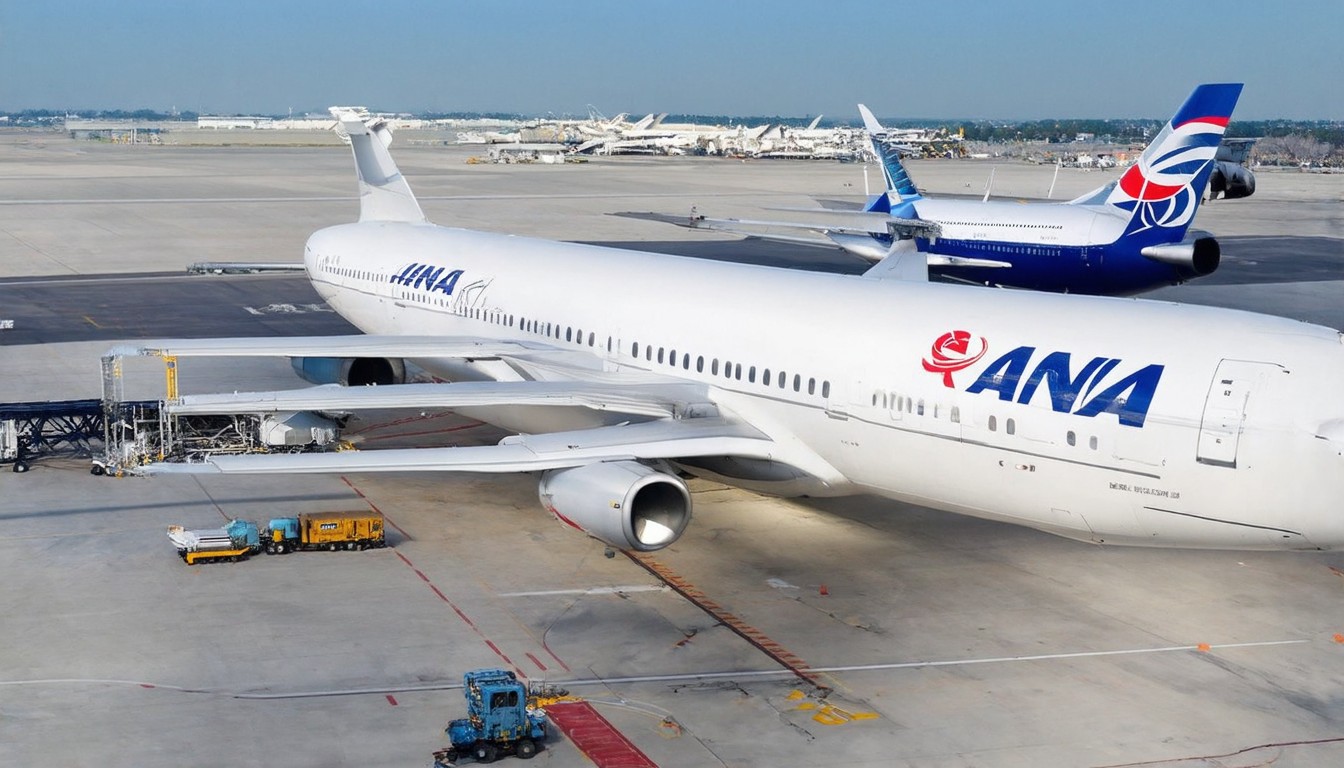
ANA Holdings Inc and Japan Airlines Co are expected to raise fuel surcharges significantly on international flights from June, as aviation fuel prices surge amid the Middle East tensions and global supply chain disruptions. The move comes as both airlines grapple with soaring fuel costs, which have reached record highs in recent months. Analysts predict that the surcharges could result in higher ticket prices for passengers, potentially impacting travel demand and profitability.
The decision to increase fuel surcharges follows a sharp rise in aviation fuel prices, driven by geopolitical tensions in the Middle East and disruptions in global oil supply chains. These factors have led to a shortage of crude oil, pushing prices to their highest levels in years. Aviation fuel, which is derived from crude oil, has consequently become more expensive, forcing airlines to adapt their pricing strategies to mitigate the financial burden.
ANA Holdings and Japan Airlines are not alone in their efforts to manage the increased fuel costs. Other major airlines around the world have also announced similar measures, including raising fuel surcharges or adjusting their pricing models to account for the higher expenses. The International Air Transport Association (IATA) has warned that the industry could face significant financial challenges due to the rising fuel prices, which could impact profitability and even lead to job losses.
The impact of the fuel surcharges on passengers is likely to be significant. While airlines argue that the increases are necessary to cover their rising fuel costs, consumers may perceive the higher prices as a deterrent to travel. This could lead to a decrease in demand for international flights, particularly among price-sensitive travelers. In turn, this could force airlines to reconsider their pricing strategies or explore alternative ways to manage their costs.
In addition to the fuel surcharges, airlines are also exploring other options to mitigate the financial impact of rising fuel prices. Some have turned to alternative fuels, such as sustainable aviation fuel (SAF), which is produced from renewable sources and emits fewer greenhouse gases. However, the adoption of SAF is currently limited by its higher cost and limited availability.
Meanwhile, governments around the world are also considering measures to address the rising fuel prices. Some have proposed tax breaks or subsidies for airlines to help them cope with the increased expenses. Others have called for greater transparency in fuel pricing and supply chain management to prevent future disruptions.
The decision by ANA Holdings and Japan Airlines to raise fuel surcharges from June highlights the challenges faced by the aviation industry in the current economic landscape. As fuel prices continue to rise, airlines will need to adapt their strategies to ensure their long-term viability. The impact on passengers, however, remains uncertain, as the higher costs could lead to changes in travel behavior and preferences.
In conclusion, the significant increase in aviation fuel prices has forced ANA Holdings and Japan Airlines to raise fuel surcharges on international flights from June. This move is expected to result in higher ticket prices for passengers, potentially affecting travel demand and profitability. While airlines are exploring alternative strategies, such as adopting sustainable aviation fuel, the long-term effects of the rising fuel costs on the industry and consumers remain uncertain. The situation underscores the need for collaboration between airlines, governments, and other stakeholders to address the challenges posed by global supply chain disruptions and geopolitical tensions.