
An iPhone has now captured photos no Android phone has ever taken
An iPhone just captured Earth as a giant blue bubble, leaving Android green with envy.
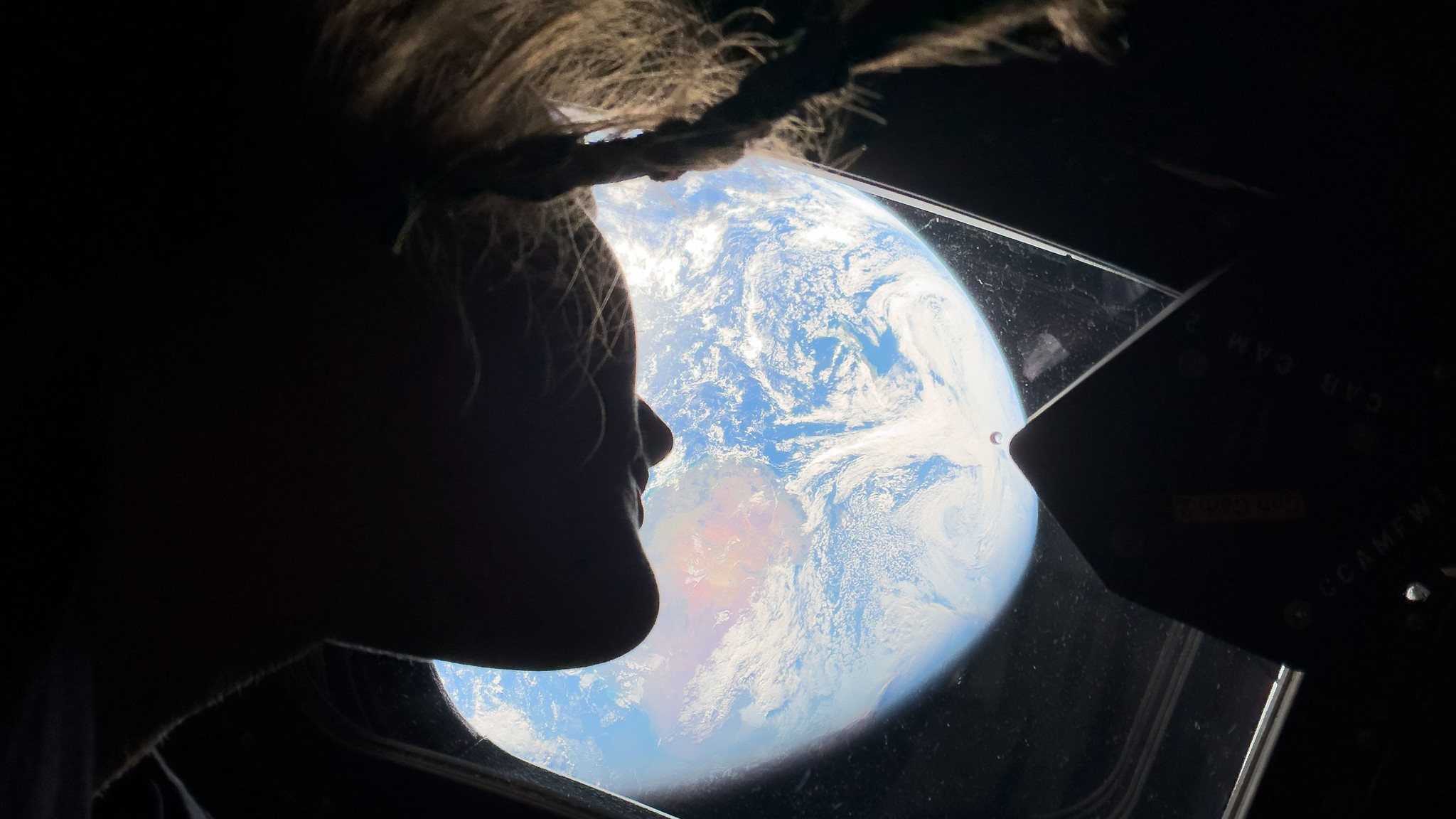
NASA astronauts on the Artemis II mission have captured stunning images of Earth from deep space using an iPhone 17 Pro Max, marking a significant milestone in the ongoing smartphone camera rivalry. The images, taken casually with the front camera during the mission, have been described as “space selfies” and have left Android enthusiasts in awe. This achievement underscores Apple’s iPhone as the first smartphone to be part of a crewed lunar mission, a feat that no Android device has yet accomplished.
The Artemis II mission, a crewed spaceflight aimed at testing NASA’s Orion spacecraft and its ability to travel to the Moon, provided the perfect opportunity for the iPhone 17 Pro Max to showcase its capabilities. While the primary mission focused on testing the Orion spacecraft’s systems and the astronauts’ readiness for lunar exploration, the casual use of the iPhone’s front camera resulted in some of the most iconic images of Earth from space. These images, which depict Earth as a vibrant blue marble suspended in the vastness of space, have been widely shared and celebrated online, highlighting the iPhone’s ability to capture stunning visuals even in the most extraordinary of settings.
This achievement is particularly notable given that Samsung previously sent the Galaxy S24 to the edge of space in a similar attempt to capture images of our planet. However, the Galaxy S24 was not part of a crewed mission, and its images did not garner the same level of attention or acclaim as those taken by the iPhone 17 Pro Max. The difference in the missions’ scales and the resulting images underscores the unique opportunity presented by the Artemis II mission, which allowed the iPhone to capture a truly iconic view of Earth from deep space.
The smartphone camera rivalry has long been a point of contention between Apple and Android enthusiasts. Over the years, the focus has been on specs, processing power, and unique photography features offered by each device. However, this latest development has shifted the landscape by introducing a new dimension to the competition. Now, the stakes have been raised with NASA’s endorsement of the iPhone’s capabilities, a distinction that no Android phone can match.
The images captured by the iPhone 17 Pro Max during the Artemis II mission serve as a powerful reminder of the potential of technology in capturing the beauty of our planet from an extraordinary vantage point. They also highlight the importance of innovation in smartphone design, as the iPhone’s front camera was not specifically designed for space photography. Instead, its ability to produce such stunning images in deep space is a testament to the versatility and quality of the technology built into the device.
This milestone not only cements the iPhone’s position as a formidable competitor in the smartphone camera market but also underscores the broader implications of technology’s role in space exploration. As NASA continues to push the boundaries of human endeavor, the devices we carry in our pockets are increasingly capable of contributing to these historic moments. The iPhone’s success in capturing these iconic images from deep space is a testament to the synergy between technology and human ambition, and it sets a new standard for what is possible in the realm of smartphone photography.
In conclusion, the iPhone 17 Pro Max’s capture of Earth from deep space during the Artemis II mission has not only left Android enthusiasts in awe but has also redefined the smartphone camera rivalry. This achievement, made possible by the casual use of the device’s front camera, has been validated by NASA and has set a new benchmark for what smartphones can achieve in the most extraordinary of settings. As the competition between Apple and Android continues to evolve, this milestone serves as a powerful reminder of the potential of technology to inspire and captivate, even in the vast expanse of space.









