
An Introduction to Brutalism: The Iconic Postwar Architectural Style That Combined Utopianism and Concrete
The artificial language of Esperanto was conceived with high ideals in mind. In the eighteen-eighties, its creator L. L. Zamenhof envisioned it as the universal second language of humanity, and if it hasn’t achieved that status by now, it at least remains the world’s most widely spoken constructed auxiliary language. One factor complicating its spread […]
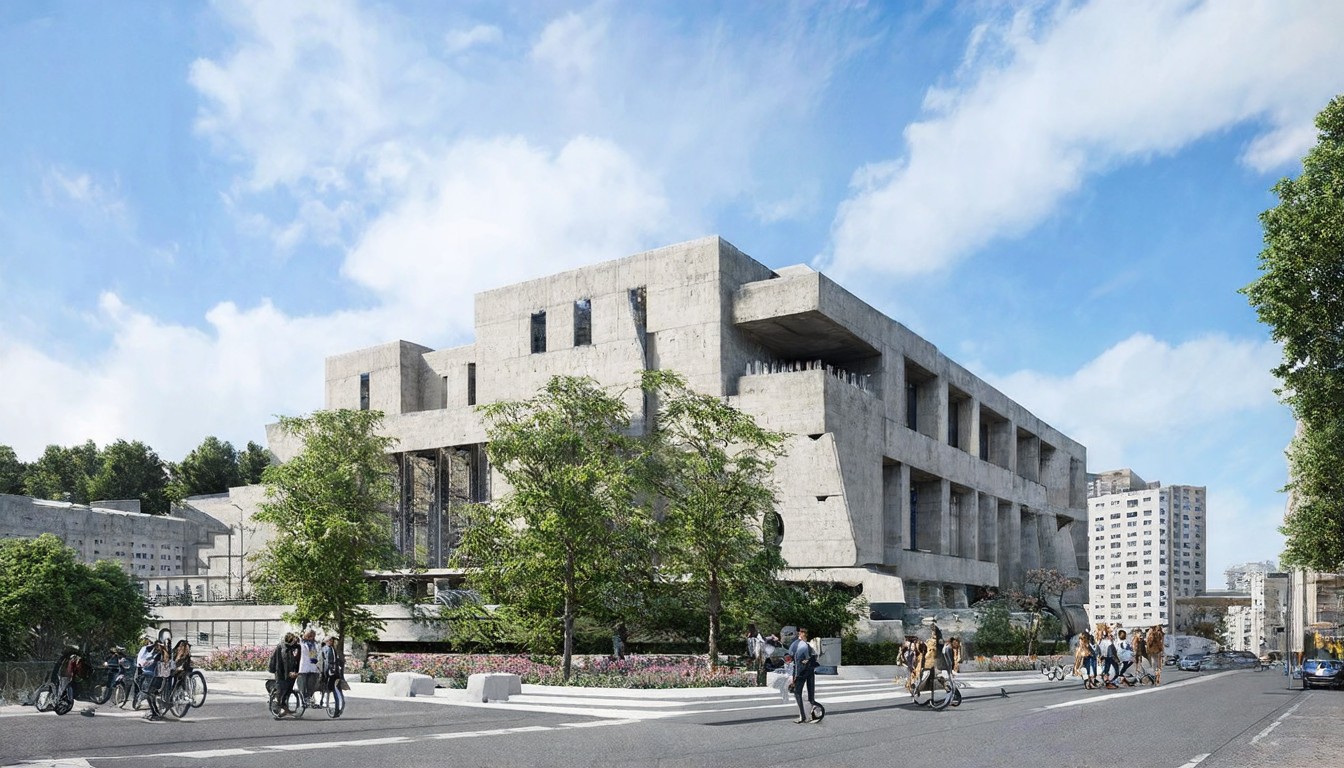
The postwar architectural style known as Brutalism emerged as a bold and innovative response to the devastation of World War II, combining utopian aspirations with the raw materials of the time. Rooted in the belief that architecture could foster a more harmonious and unified world, Brutalism sought to rebuild societies and institutions on a grand scale, using concrete as its primary material. This style, which took its name from the French term "béton brut" (rough concrete), became synonymous with the rebuilding efforts in war-torn British and European cities, as well as the rapid expansion of American college campuses during the mid-20th century.
Brutalism was not merely an architectural movement; it was a manifesto of sorts, reflecting the optimism and idealism of a generation that had witnessed unprecedented destruction. Architects and urban planners who embraced this style believed that concrete, with its stark and unadorned aesthetic, could symbolize a new beginning and a break from the ornate, often decadent architecture of the past. By using raw, unfinished concrete, they aimed to create buildings that were both functional and symbolic, embodying the strength and resilience needed to rebuild shattered communities.
The vision for Brutalism was rooted in the utopian ideals of the time, as architects and urban planners sought to create spaces that would foster social cohesion and promote a sense of shared purpose. Buildings designed in the Brutalist style were often monumental in scale, designed to dominate their surroundings and serve as landmarks of progress and renewal. These structures, which included libraries, research facilities, city halls, administrative buildings, and even housing projects, were intended to be institutions that would shape the lives of entire communities.
However, as time passed, the utopian vision of Brutalism began to clash with reality. The buildings that were once hailed as symbols of hope and progress often became associated with austerity, bureaucracy, and even totalitarianism. The stark, imposing nature of Brutalist architecture, while once seen as a reflection of strength and simplicity, came to be viewed by many as cold, inhospitable, and even oppressive. This shift in perception was partly due to the way in which these buildings were often used to house institutions that were perceived as authoritarian or impersonal, such as courthouses and administrative offices.
Despite its controversial legacy, Brutalism has left an indelible mark on the built environment of cities around the world. Some of its most iconic structures, such as the Barbican Estate in London and Habitat 67 in Montreal, have been embraced as beloved landmarks and sites of pilgrimage for architecture enthusiasts. These buildings, with their bold use of concrete and innovative spatial designs, continue to captivate audiences and inspire new generations of architects.
However, not all Brutalist structures have been so fortunate. Many have been met with public disdain and have been demolished after years of neglect. The Tricorn Centre in Portsmouth and the Third Church of Christ, Scientist in Washington, D.C., are notable examples of buildings that have been torn down, their reputations tarnished by years of poor maintenance and a changing cultural landscape.
The enduring legacy of Brutalism lies in its ability to provoke thought and debate about the role of architecture in society. While some view it as a relic of a bygone era, others see it as a testament to the power of utopian vision and the potential of concrete to shape a better world. As the world continues to grapple with the challenges of urbanization and the need for sustainable and meaningful architecture, the legacy of Brutalism serves as a reminder of the aspirations and limitations of those who sought to build a better future through design.
In the end, Brutalism remains a style that is as much a product of its time as it is a reflection of the hopes and fears of a generation. Its buildings, with their raw concrete and monumental scale, stand as both a celebration and a cautionary tale of the power of architecture to inspire and to divide. As we navigate the complexities of the modern world, the story of Brutalism serves as a reminder of the enduring power of utopian dreams and the challenges of bringing them to life.








