Amit Jogi sentenced to life imprisonment in Jaggi murder case from 2003
Amit Jogi was involved the killing of businessman-politician Ramavatar Jaggi in Raipur at a time when Ajit Jogi was the sitting Chief Minister of the State
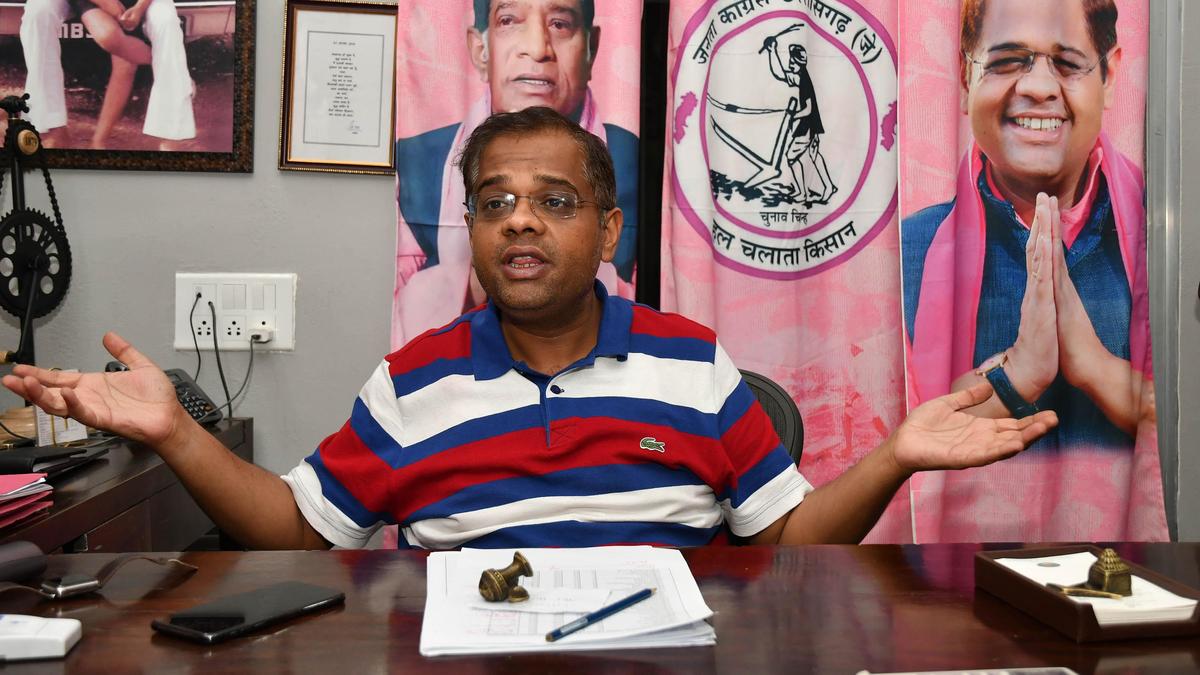
Amit Jogi, the son of a former Chief Minister of Chhattisgarh, has been sentenced to life imprisonment for his involvement in the murder of businessman-politician Ramavatar Jaggi in Raipur in 2003. The case, which has been a significant legal and political saga for over two decades, has finally reached its conclusion with the conviction of the key accused.
The murder of Ramavatar Jaggi, a prominent figure in the state's business and political circles, shocked the region at the time. Jaggi was gunned down in broad daylight in the heart of Raipur, a city that was under the governance of Ajit Jogi, the then-Chief Minister of Chhattisgarh. The killing was met with widespread condemnation, and the state government was immediately put under intense scrutiny.
The investigation into the murder began shortly after the incident, but it faced numerous challenges and delays. The case was marked by allegations of political interference and attempts to obstruct justice. Despite these obstacles, the prosecution managed to build a strong case against Amit Jogi, who was accused of orchestrating the murder.
Amit Jogi, who was a close associate of his father, Ajit Jogi, at the time, was implicated in the case due to his known enmity with Jaggi. The two men were reportedly involved in a bitter feud over business interests and political influence. The prosecution argued that Amit Jogi, acting on his father's behalf, had ordered the killing to eliminate Jaggi as a political rival.
The trial, which spanned several years, involved numerous witnesses and extensive evidence. Key testimony from several individuals implicated Amit Jogi in the planning and execution of the murder. The defense, however, maintained that the evidence was circumstantial and that there was no direct proof linking Amit Jogi to the crime.
Despite the defense's arguments, the court found Amit Jogi guilty of orchestrating the murder and sentenced him to life imprisonment. The verdict was seen as a significant victory for the prosecution and a vindication of justice. It also marked a turning point in the case, as it highlighted the need for unwavering commitment to the rule of law, even in the face of political pressures.
The sentencing of Amit Jogi has reignited discussions about the role of political influence in criminal cases and the need for impartial justice. The case has been a stark reminder of the challenges faced by the judiciary in ensuring that even those with political connections are held accountable for their actions.
The family of Ramavatar Jaggi has expressed relief and satisfaction at the verdict, stating that it has finally brought closure to a tragic chapter in their lives. The case has also served as a cautionary tale for those who may seek to exploit political power to evade justice.
In the aftermath of the verdict, questions have been raised about the broader implications of the case for Chhattisgarh's political landscape. Ajit Jogi, who was the Chief Minister at the time of the murder, has always maintained his innocence and denied any involvement in the crime. However, the conviction of his son has cast a shadow over his political career and legacy.
The sentencing of Amit Jogi also underscores the importance of transparency and accountability in the administration of justice. It serves as a reminder that no one is above the law, and that the judiciary must remain steadfast in its pursuit of truth and justice, regardless of the political ramifications.
As the case moves towards its conclusion, the legal community and the people of Chhattisgarh can reflect on the importance of upholding the principles of justice and fairness. The conviction of Amit Jogi, after such a prolonged and complex trial, offers a glimmer of hope that the judicial system can indeed deliver justice, even in the most challenging of circumstances.