America’s Largest Hospital System Ready to Start Replacing Radiologists With AI, Its CEO Says
"Only someone with zero understanding of radiology would say something so naive." The post America’s Largest Hospital System Ready to Start Replacing Radiologists With AI, Its CEO Says appeared first on Futurism .
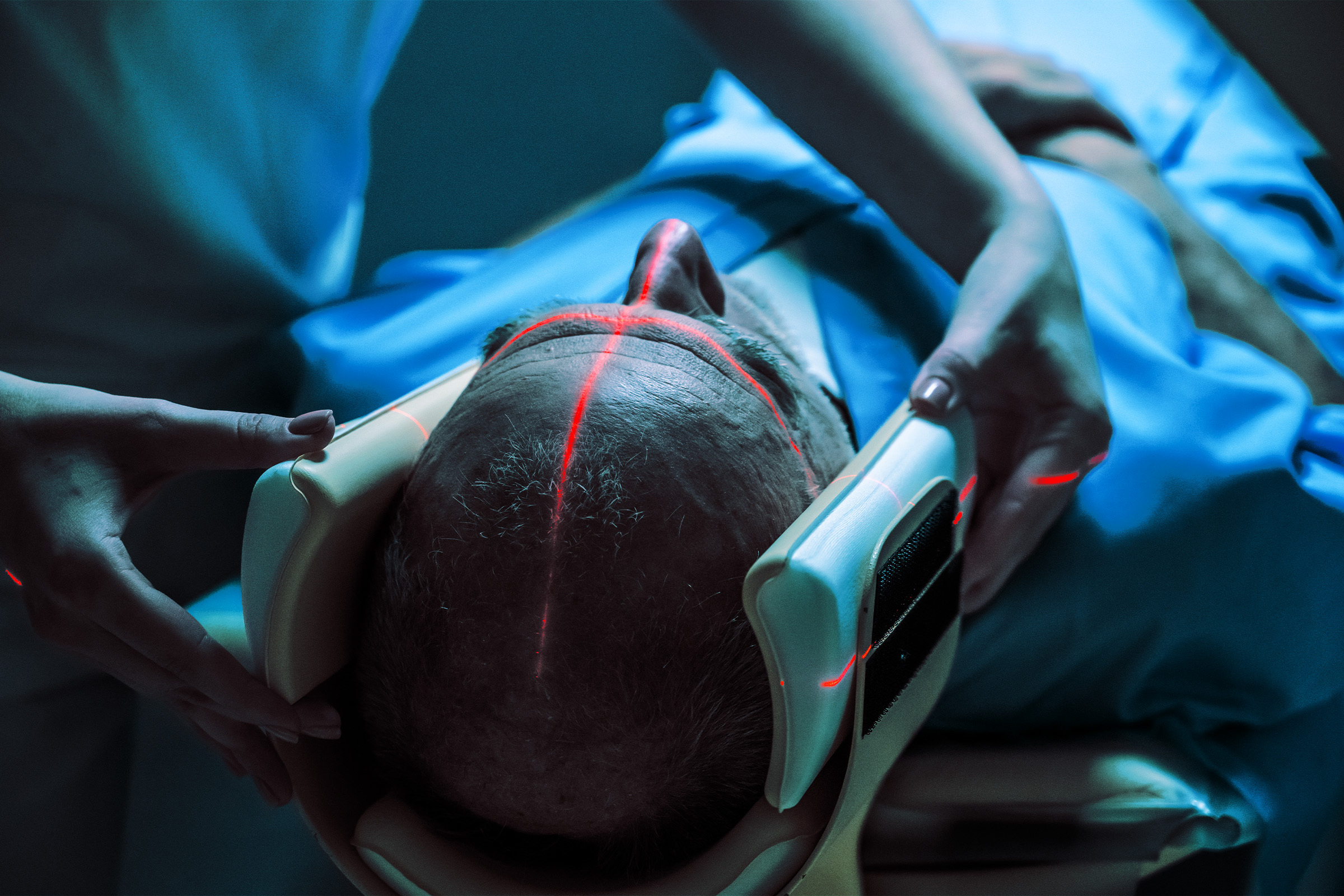
In the wake of the largest nurses' strike in New York City history, the CEO of NYC Health and Hospitals, Mitchell Katz, has unveiled a bold vision for a future where AI, not human radiologists, examines and diagnoses X-rays. Speaking at a panel hosted by Crain's New York Business, Katz suggested that a significant portion of radiologists could be replaced by AI models, provided the regulatory challenges are addressed. He even provided an example involving women's healthcare, specifically the automation of breast cancer screening using AI tools.
Katz argued that by sidelining radiologists until an AI system flags a reading as abnormal, hospitals could achieve "major savings." However, his comments have sparked controversy among the medical community. Mohammed Suhail, a radiologist at North Coast Imaging in San Diego, criticized Katz's proposal, calling it "undeniable proof that confidently uninformed hospital administrators are a danger to patients." Suhail further stated that such administrators are "easily duped by AI companies that are nowhere near capable of providing patient care."
Suhail warned that any attempt to implement AI-only reads would "immediately result in patient harm and death," and that only someone with "zero understanding of radiology" would make such a naive statement. He added that hospitals are "happy to cut costs even if it means patient harm, as long as it's legal."
This sentiment is echoed by a growing body of research suggesting that AI in the X-ray room could be a disaster waiting to happen. A yet-to-be-peer-reviewed study conducted by Stanford researchers found that AI chest X-ray tools built on frontier AI models can excel in medical benchmark tests without ever seeing actual images of X-rays. Instead of acknowledging that the images are missing, the highest-scoring models often provide incorrect diagnoses.
The debate over AI in radiology highlights the complex relationship between technology, cost-cutting, and patient safety. While Katz's vision of AI-driven healthcare may seem appealing on the surface, the risks associated with replacing experienced radiologists with AI systems cannot be overlooked. The medical community is urging caution, emphasizing the importance of maintaining human oversight in critical diagnostic decisions.
As the discussion continues, it is crucial for healthcare administrators to weigh the potential benefits of AI adoption against the potential risks to patient care. The stakes are high, as the implementation of AI in radiology could have far-reaching consequences for both patients and the healthcare workforce. Ultimately, the goal should be to ensure that any technological advancements serve to enhance, not undermine, the quality of care provided to patients.