America may be a petrostate. But the energy shock still hurts
And further angers economically frustrated citizens
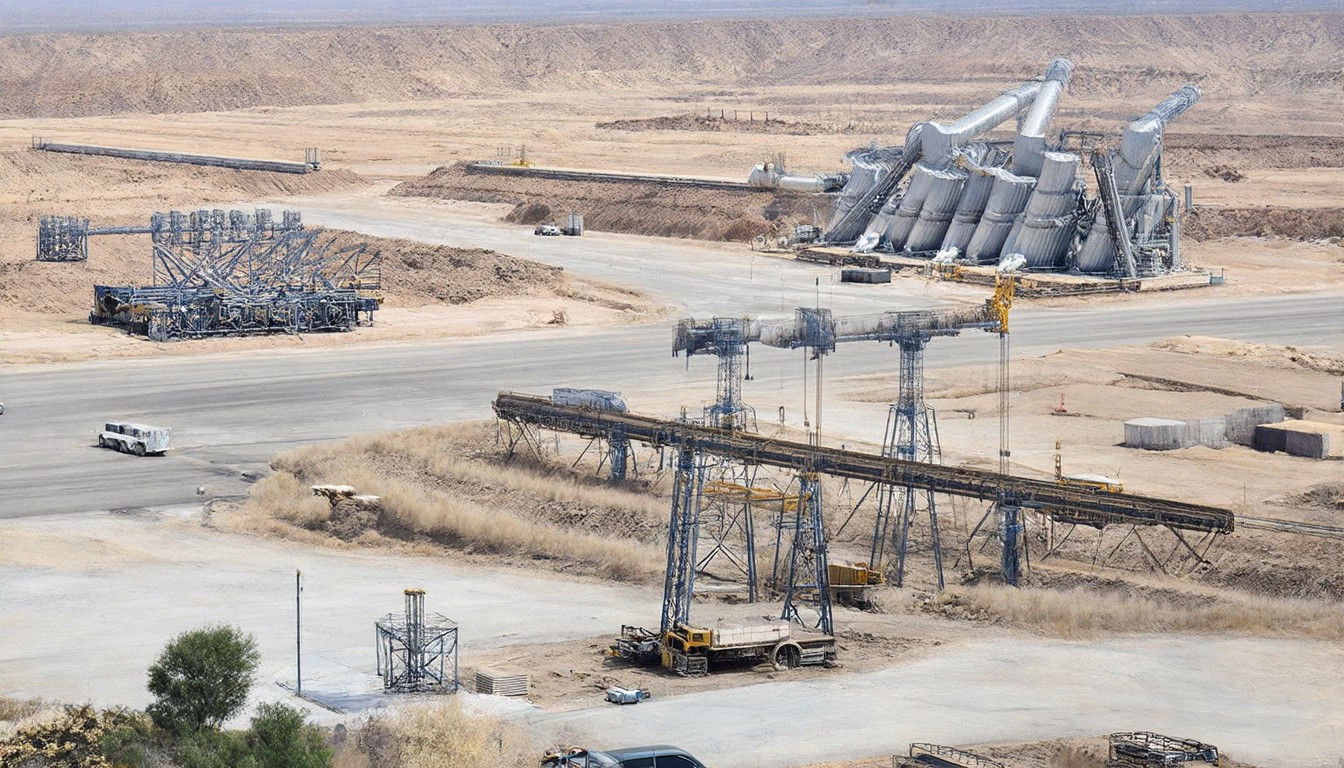
America may be a petrostate. But the energy shock still hurts, and further angers economically frustrated citizens.
In recent years, the United States has increasingly relied on its own oil and gas reserves to reduce dependence on foreign energy imports. This shift has been hailed as a triumph of energy independence, but it has also highlighted the vulnerability of the nation to global energy markets. As oil prices fluctuate, the impact on American households and businesses remains significant, fueling frustration among those already struggling economically.
The term "petrostate" refers to a country whose economy is heavily dependent on petroleum exports. While the U.S. is not traditionally considered a petrostate, the rise in domestic production has altered the landscape. The shale oil and gas boom, particularly in regions like Texas, North Dakota, and Pennsylvania, has transformed these states into energy powerhouses. However, this boom has not been without its challenges.
The energy sector's dominance in the U.S. economy is evident in the significant contribution of oil and gas to GDP. In 2022, the energy sector accounted for roughly 3.5% of the country's GDP, with oil and gas extraction contributing an additional 0.5%. This reliance on hydrocarbons has both positive and negative implications. On one hand, it has created jobs and stimulated economic growth in certain regions. On the other hand, it has entrenched the country in a volatile global market, where price swings can have profound effects on domestic economies.
The recent spike in oil prices, driven by geopolitical tensions and supply chain disruptions, has underscored this vulnerability. As prices soared, gasoline prices at the pump rose sharply, causing widespread concern among consumers. The average price of a gallon of gasoline in the U.S. surged from around $3 per gallon in early 2021 to over $5 per gallon in mid-2022. This increase strained household budgets, particularly for those already grappling with inflation and economic uncertainty.
The energy crisis has exacerbated existing economic frustrations. Inflation, which reached a 40-year high in 2022, has eroded purchasing power, and many Americans are struggling to make ends meet. The energy shock has added another layer of stress, as higher fuel costs translate to higher prices for goods and services. This has disproportionately affected low-income households, which tend to spend a larger proportion of their income on energy.
The situation has also sparked debates about the long-term sustainability of the U.S. energy model. While domestic production has reduced reliance on foreign oil, it has not eliminated the country's exposure to global market forces. Critics argue that the U.S. needs to diversify its energy portfolio to mitigate these risks. Investing in renewable energy sources, such as wind and solar, could provide a more stable and sustainable alternative.
Moreover, the energy crisis has highlighted the need for more robust energy policies. The Biden administration has prioritized clean energy initiatives, such as the Inflation Reduction Act, which aims to spur the transition to renewables. However, the pace of change is often slow, and many Americans are impatient for relief from soaring energy costs.
In conclusion, while the U.S. has made strides toward energy independence, the country remains vulnerable to global energy shocks. The recent spike in oil prices has deepened economic insecurity for many Americans, further fueling frustration. As the nation navigates this complex landscape, the search for a more resilient and sustainable energy future becomes increasingly urgent. The challenge lies in balancing the benefits of domestic production with the need for diversification and innovation to ensure long-term economic stability.