
Amazon to issue 3.5% surcharge on fulfillment services as fuel, logistics costs rise
The surcharge will apply to Fulfillment by Amazon in the U.S. and Canada, as well as some cross-border and Buy With Prime services.
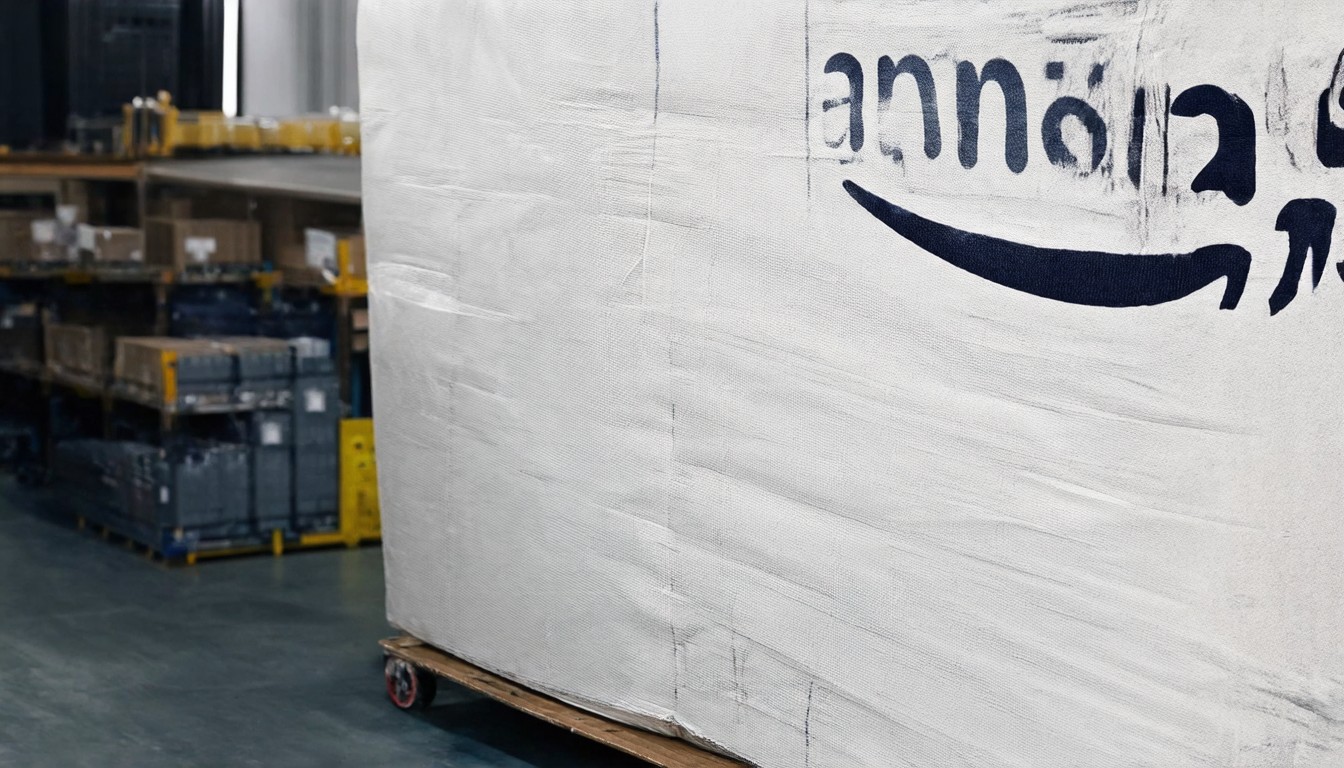
Amazon is set to introduce a 3.5% surcharge on fulfillment services starting April 17, as soaring fuel and logistics costs linked to the Middle East conflict strain global supply chains. The surcharge will apply to Fulfillment by Amazon in the U.S. and Canada, as well as some cross-border and Buy With Prime services. This move comes as the company seeks to recover a portion of the increased costs it has been experiencing.
In a statement to sellers, Amazon explained that elevated costs in fulfillment and logistics have risen significantly due to industry-wide pressures. The company has previously absorbed these additional expenses but is now implementing temporary surcharges on fulfillment fees to mitigate the impact. The decision follows a period of unprecedented volatility in global supply chains, exacerbated by geopolitical tensions and disruptions in energy markets.
The surcharge will affect merchants who rely on Amazon's fulfillment services, particularly those operating in the U.S. and Canada. While the change is expected to impact a wide range of sellers, it may have a more significant effect on smaller businesses with limited flexibility to absorb additional costs. Retailers using cross-border and Buy With Prime services may also be affected, as these services are included in the surcharge.
The move comes as Amazon faces increasing pressure from competitors and regulators to manage its operational costs. Critics have long argued that the company's dominance in the e-commerce sector allows it to pass on costs to sellers and consumers without significant repercussions. The introduction of the surcharge may further fuel debates around Amazon's pricing strategies and its impact on the retail industry.
Despite the surcharge, Amazon remains committed to supporting sellers and ensuring the smooth operation of its supply chain. The company has invested heavily in logistics infrastructure, including its extensive network of fulfillment centers and partnerships with third-party logistics providers. These efforts have helped Amazon maintain its reputation as a reliable and efficient fulfillment partner, even in the face of challenging economic conditions.
The decision to impose the surcharge reflects a broader trend of increased costs in the logistics and supply chain industries. Rising fuel prices, labor shortages, and inflation have all contributed to a significant increase in operational expenses for companies across the globe. As a result, many businesses are forced to reevaluate their pricing strategies and cost structures to remain competitive.
For Amazon sellers, the surcharge may necessitate adjustments to their pricing strategies or exploration of alternative fulfillment options. Some sellers may opt to handle their own fulfillment or partner with other logistics providers to avoid the additional costs. However, this could lead to increased complexity and potential inefficiencies, particularly for smaller businesses with limited resources.
In the long term, the surcharge may also prompt sellers to reconsider their reliance on Amazon's services. While the company's vast infrastructure and customer base offer significant advantages, the added costs could push some sellers to seek out alternative platforms or develop their own fulfillment capabilities. This could lead to increased competition and innovation in the e-commerce sector, as businesses strive to find the most cost-effective solutions.
Overall, Amazon's decision to impose a 3.5% surcharge on fulfillment services highlights the challenges faced by the logistics and supply chain industries in the current economic climate. As fuel and logistics costs continue to rise, companies must adapt their strategies to ensure profitability and competitiveness. For Amazon sellers, the surcharge presents both challenges and opportunities, as they navigate the evolving landscape of e-commerce and fulfillment.








