
Amazon to add 3.5% fuel and logistics surcharge for sellers as Iran war drives up energy prices
With the Iran war now in its fifth week, Amazon said it's adding a 3.5% fuel and logistics surcharge for third-party sellers in the U.S. and Canada.
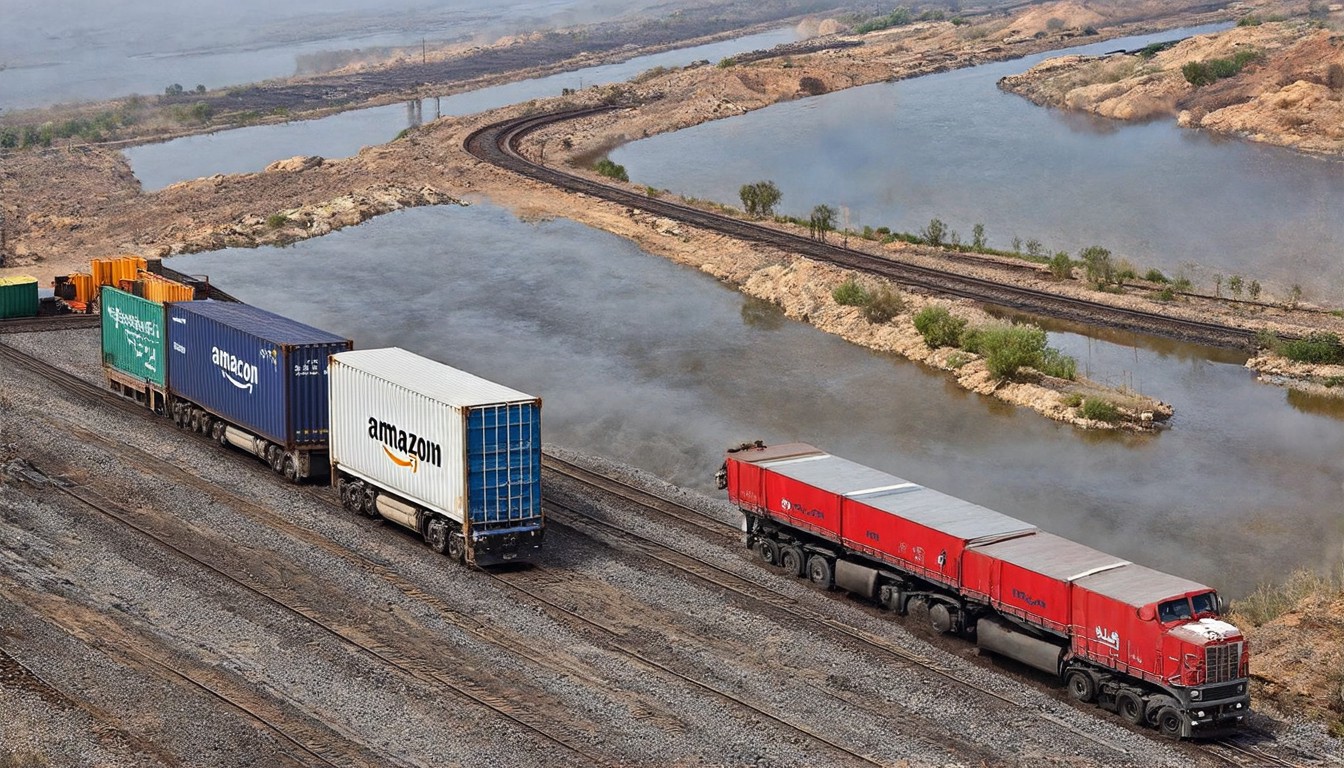
As tensions escalate in the Middle East, Amazon has announced a new 3.5% fuel and logistics surcharge for third-party sellers operating in the United States and Canada. This move comes as the ongoing conflict in Iran, now in its fifth week, has led to significant increases in energy prices globally. The surcharge, which will take effect immediately, aims to offset the rising costs of fuel and logistics that Amazon faces in fulfilling orders for these sellers.
The decision to implement the surcharge follows a careful assessment of the current market conditions and the impact of the Iran war on global energy prices. Analysts have noted that the conflict has disrupted oil production and supply routes, leading to a sharp rise in fuel costs. This, in turn, has increased the expenses for logistics providers, including Amazon, as they struggle to maintain their operations amid the heightened prices.
Third-party sellers on Amazon's platform, who account for a significant portion of the company's revenue, will now have to bear the brunt of these additional costs. While Amazon has not explicitly stated that the surcharge is a direct result of the Iran war, the timing of the announcement coincides with the ongoing geopolitical tensions and their effect on energy markets.
The 3.5% surcharge will be added to the cost of shipping and handling for orders placed by third-party sellers in the U.S. and Canada. This means that sellers will need to absorb the increased expenses, which could ultimately be passed on to consumers in the form of higher product prices or reduced profit margins. Some sellers have expressed concerns about the potential impact on their businesses, particularly those that rely heavily on Amazon's logistics network for fulfillment.
Despite the challenges posed by the surcharge, Amazon has reassured sellers that it is committed to supporting them during this period of uncertainty. The company has pledged to continue working closely with sellers to help them navigate the changing market conditions and ensure a smooth transition to the new pricing structure.
The decision to impose the fuel and logistics surcharge highlights the complex interplay between global geopolitical events, energy markets, and e-commerce platforms. As the Iran war continues to unfold, it remains to be seen whether the surcharge will be a temporary measure or if it will become a permanent feature of Amazon's pricing strategy for third-party sellers.
In the meantime, Amazon's move serves as a stark reminder of the ripple effects that geopolitical tensions can have on businesses across the globe. For third-party sellers, the surcharge presents both a challenge and an opportunity to adapt their strategies in response to the changing economic landscape. As the Iran war persists, it will be interesting to see how Amazon and its sellers adapt to the evolving market conditions and the ongoing impact on energy prices.









