Airfares set to take off as fuel prices fly
With the war in Iran restricting the oil market and sending prices up, U.S. customers will likely have to shell out more for airfare soon.
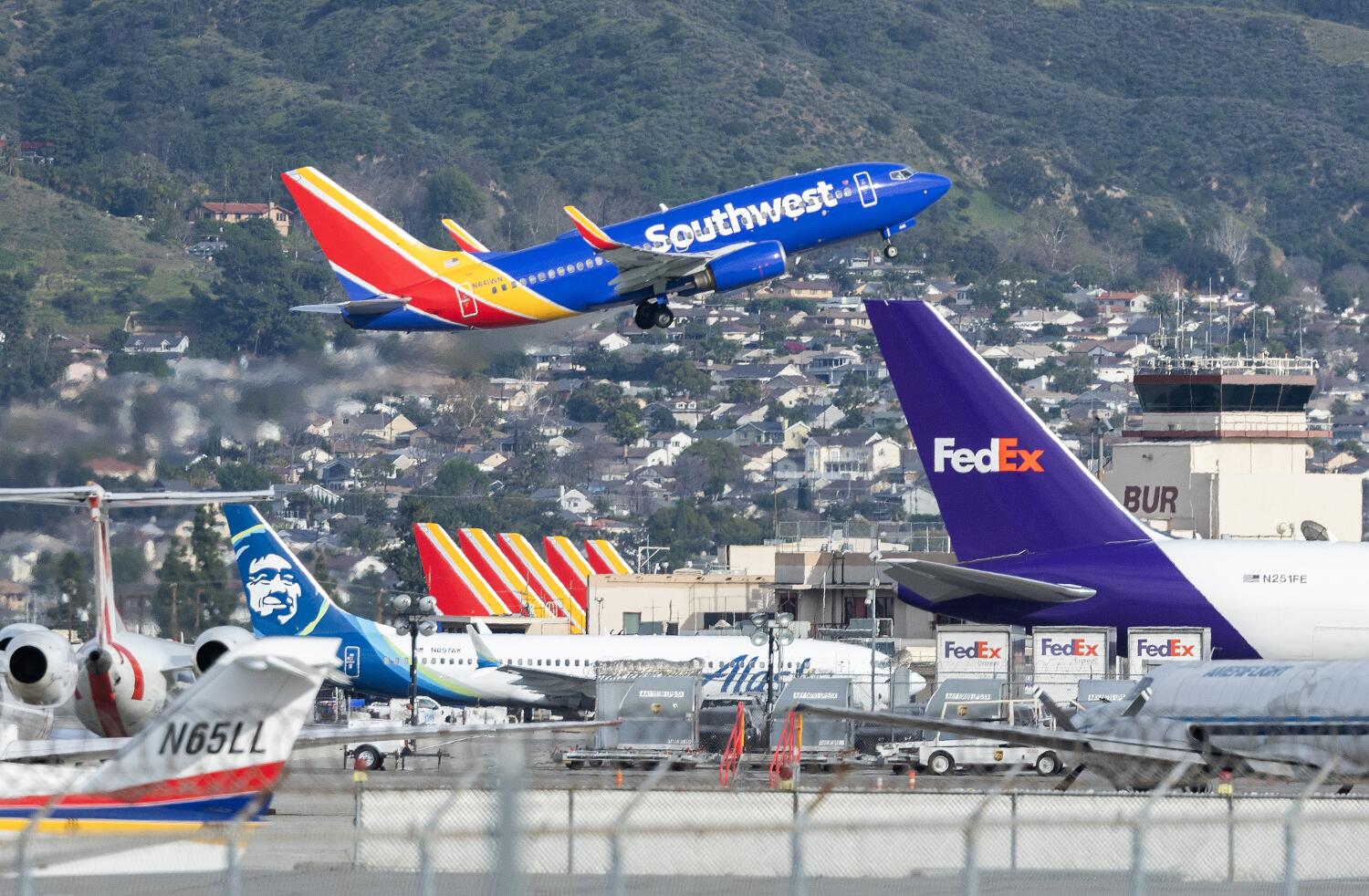
As tensions rise in the Middle East, the global oil market is experiencing significant disruptions, with fuel prices soaring to levels not seen in years. This volatile situation is primarily driven by the ongoing conflict in Iran, which has led to concerns about the stability of oil supply routes and production capabilities. As a result, airlines and travelers are bracing themselves for higher airfare costs in the near future.
The war in Iran has created uncertainty in the oil market, as the country is one of the world's largest oil producers. The conflict has disrupted not only Iran's own production but also the ability of other nations to secure oil through the Strait of Hormuz, a crucial chokepoint for international oil transportation. This has led to fears that global oil supply could be impacted, driving up prices and, in turn, increasing the cost of air travel.
The impact of rising fuel prices on airfares is a significant concern for both airlines and consumers. As fuel costs represent a significant portion of an airline's operational expenses, carriers are likely to pass on these increased costs to passengers in the form of higher ticket prices. This could potentially discourage travel, particularly among price-sensitive customers, and affect the overall aviation industry.
In addition to the war in Iran, other factors are contributing to the rise in fuel prices. Geopolitical tensions in the region, including disputes between Saudi Arabia and Iran, have further exacerbated market volatility. Furthermore, the recent decision by the Organization of the Petroleum Exporting Countries (OPEC) to reduce oil production has also contributed to the price surge.
For U.S. travelers, the implications of higher airfares are particularly relevant. The United States is a major consumer of air travel, with millions of citizens relying on affordable flights for business, leisure, and family visits. As fuel prices continue to rise, it is likely that many Americans will face increased expenses when booking flights, potentially altering their travel plans and preferences.
Airlines are already taking steps to mitigate the impact of rising fuel costs. Some carriers are investing in more fuel-efficient aircraft, while others are exploring alternative energy sources and sustainable practices to reduce their environmental footprint and operational expenses. Additionally, some airlines are implementing strategies to optimize their routes and schedules, aiming to minimize fuel consumption and offset the effects of higher prices.
Despite these efforts, the immediate impact of rising fuel prices on airfares is likely to be felt by consumers. Travelers may need to consider alternative modes of transportation, such as trains or buses, or plan their trips more carefully to take advantage of discounted rates and promotions. For those who must travel, the increased costs could lead to a reevaluation of priorities and a shift towards more budget-conscious travel options.
The situation in Iran and the resulting volatility in the oil market serve as a stark reminder of the interconnectedness of global economies. While the conflict in the Middle East may not directly affect every individual, its ripple effects can be felt far beyond the region. As fuel prices continue to rise, the aviation industry and travelers alike must adapt to these changing conditions, seeking innovative solutions to navigate the challenges ahead.
In conclusion, the war in Iran and the resulting surge in fuel prices are poised to impact airfares for U.S. customers in the near future. With airlines facing higher operational costs, it is likely that travelers will see increased ticket prices, potentially altering their travel habits and preferences. While efforts are being made to mitigate these effects, the immediate consequences of the volatile oil market are likely to be felt by both the aviation industry and consumers alike. As the situation continues to evolve, it will be crucial for all stakeholders to remain adaptable and proactive in addressing the challenges posed by the changing global landscape.