Air India Welcomes Govt's ATF Price Stabilisation Fund
Air India has reportedly lauded the Centre's recent decision to establish an Aviation Turbine Fuel (ATF) Price Stabilisation Fund, describing it as vital support for the nation's burgeoning aviation sector. The move is expected to mitigate the impact of volati
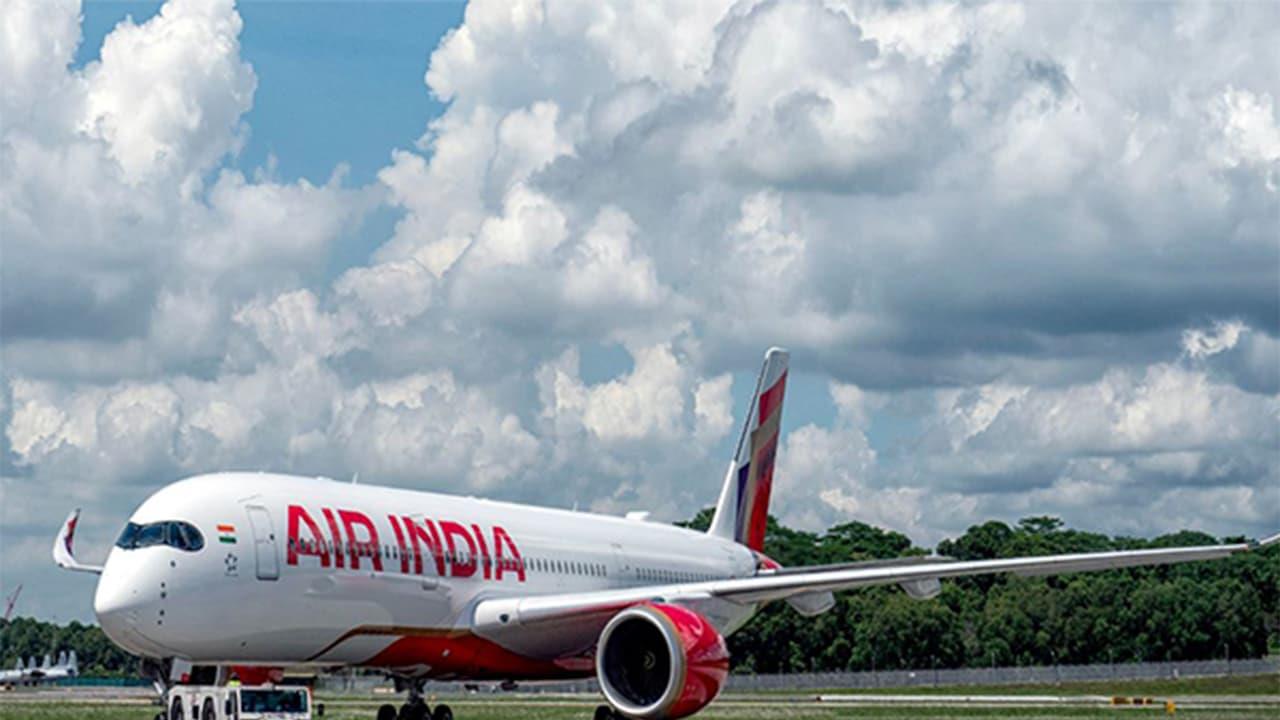
Air India, one of India's prominent carriers, has reportedly extended a warm welcome to the Central government's recent decision to establish an Aviation Turbine Fuel (ATF) Price Stabilisation Fund. The airline, reportedly on Wednesday, lauded this strategic initiative as "much-needed support" for the nation's burgeoning aviation sector. This development marks a significant step towards addressing one of the most persistent challenges faced by airlines globally and within India: the unpredictable volatility of fuel prices. The establishment of such a fund signals a proactive approach from the government to foster a more stable operating environment, aiming to cushion carriers from sharp fluctuations that often erode profitability and hinder long-term planning.
Aviation Turbine Fuel, or ATF, represents a substantial portion of an airline's operational expenditure, often accounting for 30-40% of total costs. Its price is intrinsically linked to global crude oil rates, which are notoriously susceptible to geopolitical events, supply-demand dynamics, and currency exchange fluctuations. For an industry like aviation, operating on thin margins and requiring significant capital investment, managing this colossal and volatile cost component is paramount. Any sudden surge in ATF prices can severely impact an airline's financial health, affecting profitability or forcing costs onto consumers, potentially impacting demand.
The Indian aviation sector, despite its robust growth trajectory and immense potential, has historically grappled with the severe implications of fluctuating ATF prices. Domestic airlines have often found themselves navigating a challenging economic landscape where fuel cost unpredictability makes long-term financial forecasting and strategic planning exceedingly difficult. These uncertainties can impede expansion plans, affect route profitability, and even influence decisions regarding fleet modernization. The consistent demand from the industry for mechanisms to mitigate this risk underscores its profound impact on the sustainability of air travel in the country.
The introduction of an ATF Price Stabilisation Fund is understood to be a mechanism designed to buffer airlines from extreme price swings. While specific operational details of the fund have not been detailed, such funds typically work by accumulating resources during periods of lower fuel prices, which can then be deployed to stabilize costs when prices surge. This creates a more predictable cost environment for airlines, allowing them to better manage budgets, plan ticket pricing with greater certainty, and invest in future growth without the constant threat of sudden, unmanageable cost increases.
For the broader Indian aviation sector, this government initiative holds significant promise. A stable fuel cost environment could translate into more predictable ticket fares for passengers, potentially stimulating demand and making air travel more accessible. Furthermore, with reduced financial uncertainty, airlines might be more inclined to expand their networks, introduce new routes, and enhance connectivity, especially to underserved regions. This, in turn, could boost regional economies, facilitate trade, and strengthen India's position as a global aviation hub.
The government's decision to introduce this fund underscores its recognition of the aviation sector as a critical enabler of economic growth and national connectivity. By providing this "much-needed support," the Centre is reportedly aiming to ensure the long-term viability and competitiveness of Indian airlines. Such interventions are often seen as strategic investments in industry, designed to safeguard jobs, promote tourism, and facilitate business travel. It reflects a commitment to creating an ecosystem where the aviation industry can thrive and contribute significantly to the GDP.
Air India's immediate welcome of the fund is particularly noteworthy given its stature as a major player in both domestic and international skies. As a large-scale operator, Air India's fuel consumption is substantial, making it highly susceptible to price fluctuations. Therefore, any measure that introduces stability in ATF pricing directly benefits its operational efficiency and financial planning. The airline's endorsement highlights the industry-wide consensus on the necessity of such a mechanism, reinforcing its essential nature for sustainable operations in a competitive market.
Industry observers suggest that a more stable ATF pricing regime could unlock new opportunities for growth and innovation within the Indian aviation landscape. Airlines might find themselves in a better position to invest in advanced, fuel-efficient aircraft, adopt greener technologies, and enhance passenger services, knowing that a significant portion of their operating costs is somewhat insulated from extreme market volatility. This predictability can foster greater investor confidence, potentially attracting more capital into the sector and accelerating its modernization.
The "much-needed support" articulated by Air India encapsulates the collective sentiment of an industry that has long advocated for measures to mitigate fuel price risks. This fund is seen as a collaborative effort between the government and the aviation sector to build resilience against external shocks. It is not just about financial relief but also about creating a policy environment that encourages long-term strategic thinking and sustainable development.
In conclusion, the establishment of the ATF Price Stabilisation Fund, as welcomed by Air India, represents a pivotal moment for Indian aviation. It is a testament to the government's commitment to nurturing a vital sector and addressing its core challenges. By providing a buffer against the vagaries of global fuel markets, this fund is expected to empower airlines with greater financial stability, foster sustained growth, and ultimately contribute to a more robust, accessible, and competitive air travel ecosystem across India.