Aid groups warn Iran war is hindering food and medicine from reaching millions
Aid groups are warning that the war in the Middle East has upended their ability to get food and medicine to millions in need and that more people will suffer if the violence continues
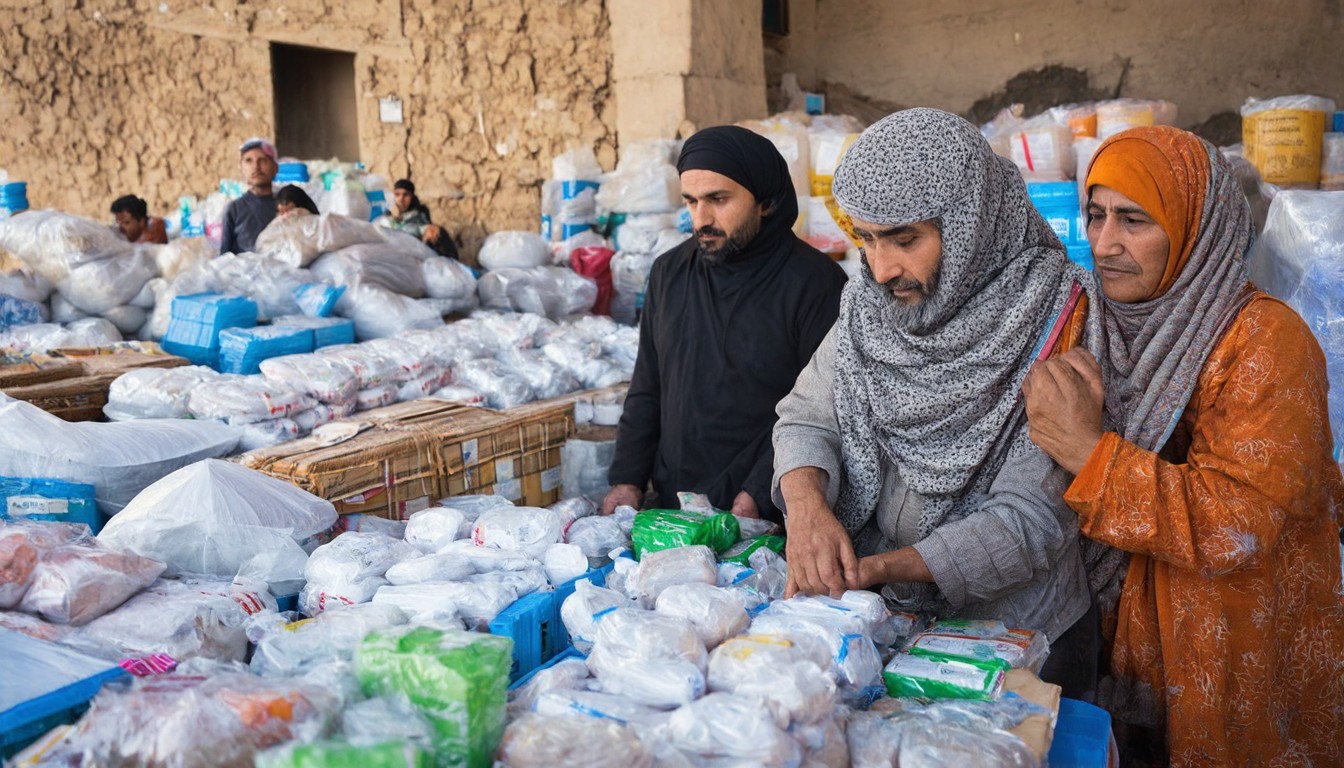
Aid groups are warning that the escalating conflict in the Middle East is severely disrupting their ability to deliver essential food and medicine to millions of people in need. The ongoing violence has made it increasingly difficult for humanitarian organizations to access vulnerable populations, leading to fears that more people will suffer if the situation does not improve.
The situation has been exacerbated by the complexities of the conflict, which involves multiple parties and has resulted in a complex web of restrictions and barriers. Roads and airports have been damaged, and security concerns have made it unsafe for aid workers to travel to remote areas. This has forced many organizations to scale back their operations or redirect their resources to safer regions, leaving many communities without the necessary support.
One of the most significant challenges faced by aid groups is the logistical nightmare created by the conflict. The destruction of infrastructure and the presence of armed groups have made it nearly impossible to transport supplies through certain areas. This has forced aid organizations to seek alternative routes, which are often longer and more expensive, significantly increasing the cost of delivering aid.
In addition to the logistical challenges, aid groups are also facing increased security risks. The violence has made it dangerous for their staff to operate in conflict zones, and many have reported threats and intimidation from local militias and armed groups. This has forced some organizations to withdraw entirely from certain areas, leaving populations without access to critical assistance.
The impact of the conflict on those in need is profound. Millions of people are already facing food shortages and lack of access to essential medicines, and the situation is expected to worsen as the violence continues. Children are particularly vulnerable, with many at risk of malnutrition and preventable diseases.
Aid groups are urging all parties involved in the conflict to prioritize humanitarian access and ensure the safety of their staff. They are also calling for increased international support to help them continue their vital work. Without immediate action, the situation could lead to a humanitarian crisis of unprecedented scale, with millions suffering unnecessarily.
The situation in the Middle East is a stark reminder of the fragility of humanitarian efforts in the face of conflict. As the violence continues, the need for urgent action to support those in need has never been greater. Aid groups are doing everything they can to provide assistance, but without the necessary support and access, their efforts may not be enough to prevent a catastrophic humanitarian crisis.