
AI videos fuel rhetoric as Orbán bids for four more years in Hungary
Videos have targeted Viktor Orbán's election rival, who could unseat him after 16 years in office.
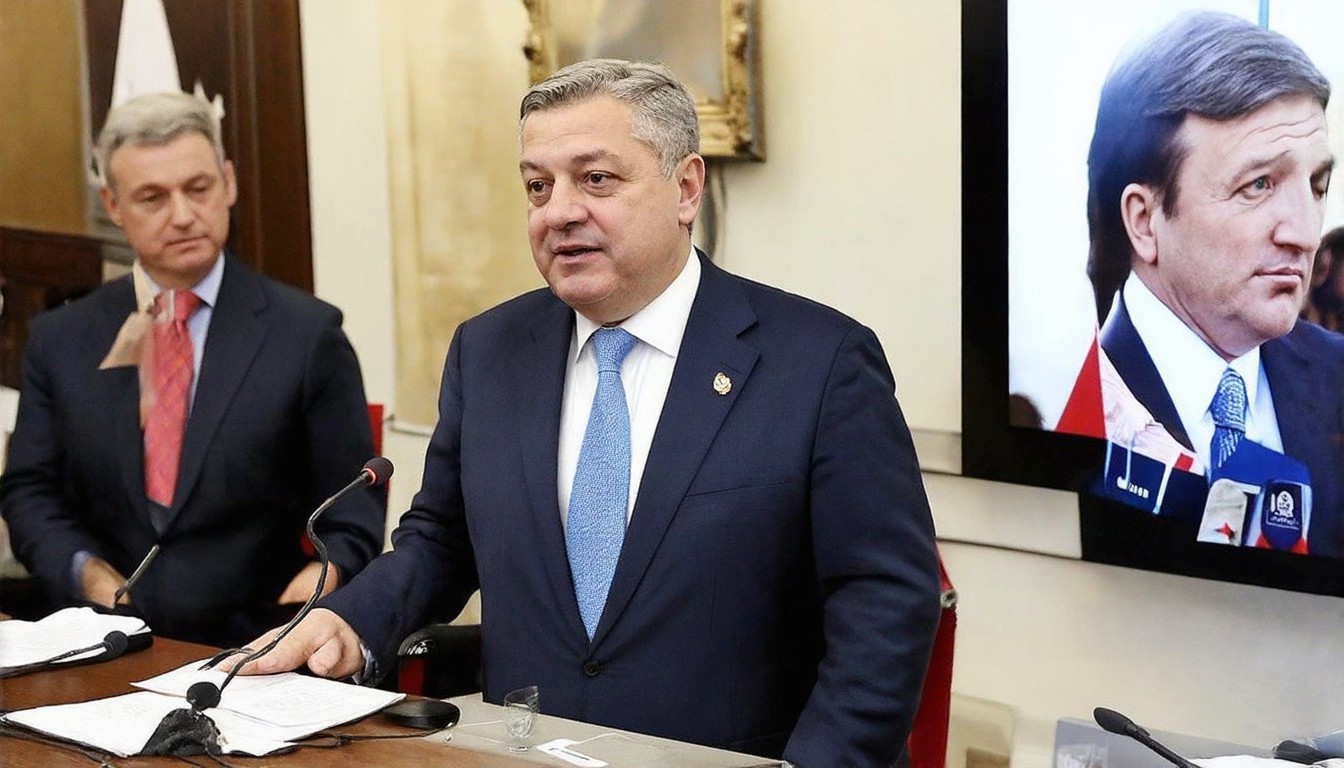
In Hungary, the race for the upcoming parliamentary elections has taken an unusual turn as artificial intelligence (AI) videos have become a focal point of political rhetoric. These videos, which have been circulating online, are targeting Viktor Orbán's main election rival, potentially swaying public opinion and altering the political landscape. Orbán, who has been in power for 16 years, is seeking a fourth consecutive term, but the role of AI in shaping the narrative is raising concerns about the integrity of the election.
The AI-generated content has been used to spread messages that challenge Orbán's long-standing dominance in Hungarian politics. These videos, often featuring deepfakes or manipulated footage, have been designed to undermine the credibility of Orbán's opponent, who is seen as the only viable candidate capable of ending his rule. Critics argue that the use of AI in this manner is akin to a modern-day information war, where technology is being weaponized to influence voters and distort the electoral process.
The rise of AI in political campaigns is not unique to Hungary; it reflects a global trend where technology is increasingly being leveraged to sway public opinion. However, the situation in Hungary is particularly sensitive due to the country's history of political polarization and concerns about media freedom. Orbán's government has been accused of curbing press freedoms and consolidating power, which has led to a climate where alternative voices are often drowned out.
The opposition, meanwhile, is struggling to counter the AI-driven rhetoric. While some have attempted to debunk the misinformation, the rapid spread of these videos on social media makes it challenging to contain their impact. Analysts warn that the use of AI in this context could lead to a "fake news" environment, where voters are exposed to distorted information that may not accurately reflect reality.
Orbán's camp has not directly addressed the AI videos, but some observers speculate that they may be part of a broader strategy to discredit his opponent. The government's silence on the issue has fueled suspicions that it is either complicit in the creation of these videos or unable to control the narrative. Critics argue that this underscores the need for robust regulatory measures to prevent the misuse of AI in political contexts.
The role of AI in elections is a matter of growing concern internationally. Organizations such as the European Union have called for stricter rules to combat the spread of AI-generated disinformation. In Hungary, however, the lack of such regulations has left the field wide open for manipulation.
As the election date approaches, the stakes are high for Orbán and his challenger. The AI videos, while not necessarily decisive, are undoubtedly shaping the discourse and adding an unprecedented layer of complexity to the campaign. The outcome of these elections could set a precedent for how AI is used in political contests, not only in Hungary but across the globe.
In conclusion, the use of AI-generated content in Hungary's upcoming parliamentary elections highlights the growing challenges posed by technology in the realm of politics. As Viktor Orbán seeks to extend his reign, the role of AI in fueling rhetoric and shaping public opinion raises critical questions about the future of democratic elections. The situation in Hungary serves as a stark reminder that the integrity of democratic processes must be safeguarded in an era where technology is increasingly shaping the political landscape.









