AI technologies could have saved ‘thousands of lives’ during covid, expert says
The health of humans, animals, and the entire ecosystem is inextricably linked. This message is at the heart of the One Health Summit, currently underway in France, where global health leaders are gathering. The summit aims to explore future strategies, particularly using emerging technologies like artificial intelligence, to ensure – and even improve – the delicate balance between these elements. We spoke to Antoine Tesnière, who advised the French government during the Covid pandemic, about how new technologies could have saved lives had they been available at the time.
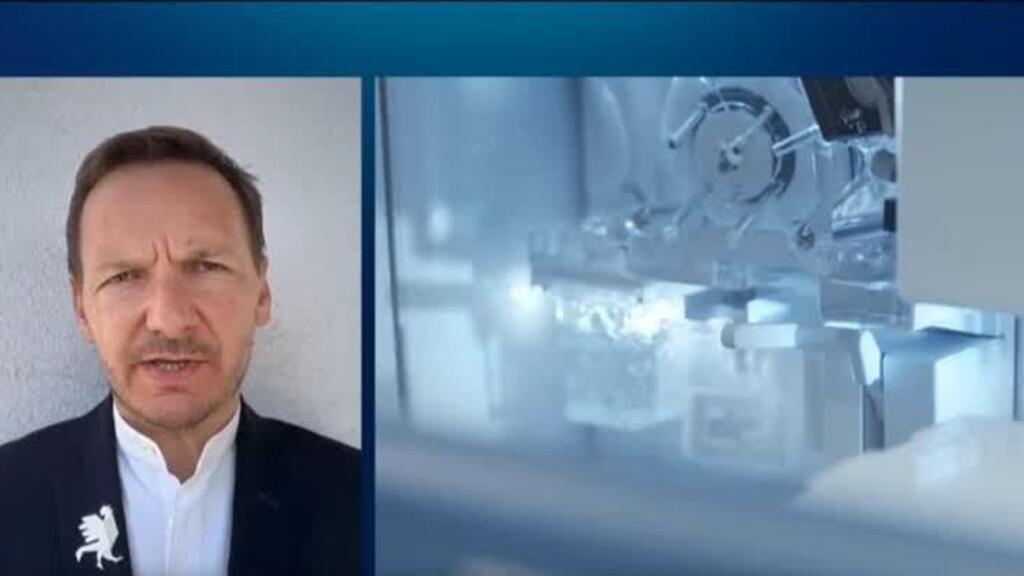
The One Health Summit, currently taking place in France, brings together global health leaders to discuss strategies for maintaining the intricate balance between human, animal, and environmental health. Central to the discussions is the role of emerging technologies, particularly artificial intelligence (AI), in safeguarding this delicate equilibrium.
During the summit, we spoke with Antoine Tesnière, an expert who advised the French government during the Covid-19 pandemic. Tesnière emphasized that AI technologies could have played a crucial role in saving lives had they been available earlier. He highlighted several ways in which AI could have been instrumental during the pandemic, from predicting outbreak patterns to optimizing healthcare resources.
One of the key areas where AI could have made a significant impact is in predicting the spread of the virus. By analyzing large datasets from various sources, including social media, travel patterns, and medical records, AI algorithms could have provided more accurate and timely predictions about where the virus would likely spread next. This would have allowed governments and healthcare systems to take preemptive measures, such as implementing targeted lockdowns or increasing testing capacity, potentially reducing the overall death toll.
Another critical application of AI during the pandemic could have been in managing healthcare resources. Hospitals were overwhelmed with patients, leading to shortages of medical equipment, beds, and personnel. AI-powered tools could have helped prioritize patients based on their severity and predicted the demand for resources, enabling healthcare providers to allocate them more efficiently. This would have ensured that critical care was provided to those who needed it most, potentially saving thousands of lives.
AI could also have played a role in accelerating the development of vaccines and treatments. By analyzing vast amounts of scientific data, AI algorithms could have identified promising candidates more quickly and provided insights into their efficacy. This would have shortened the time it took to develop and distribute vaccines, ultimately reducing the duration and severity of the pandemic.
Tesnière also mentioned the potential of AI in monitoring and controlling the spread of misinformation. During the pandemic, false or misleading information about the virus and its treatments circulated widely, causing confusion and delaying appropriate responses. AI-powered systems could have been used to detect and counteract such misinformation in real-time, ensuring that the public received accurate and reliable information.
The One Health Summit underscores the importance of integrating AI and other emerging technologies into global health strategies. By leveraging these tools, the international community can better prepare for and respond to future health crises, safeguarding not only human lives but also the well-being of animals and the environment. As we look to the future, it is clear that the interconnectedness of these elements is more critical than ever, and AI has the potential to be a powerful ally in maintaining this delicate balance.
In conclusion, the lessons learned from the Covid-19 pandemic highlight the need for innovative approaches to global health challenges. AI technologies, if harnessed effectively, could have significantly mitigated the impact of the pandemic, saving countless lives. The One Health Summit serves as a platform for experts and policymakers to explore these possibilities and develop strategies to ensure that such technologies are readily available and utilized in future crises. As the world moves forward, it is essential to invest in and embrace the potential of AI and other emerging technologies to protect and preserve the health and well-being of all living beings and the planet.