
AI talk at retail events shifts to proving real results, defining a true strategy
AI is moving further and further away from the experimentation phase. That was clear at this year’s Shoptalk Spring.
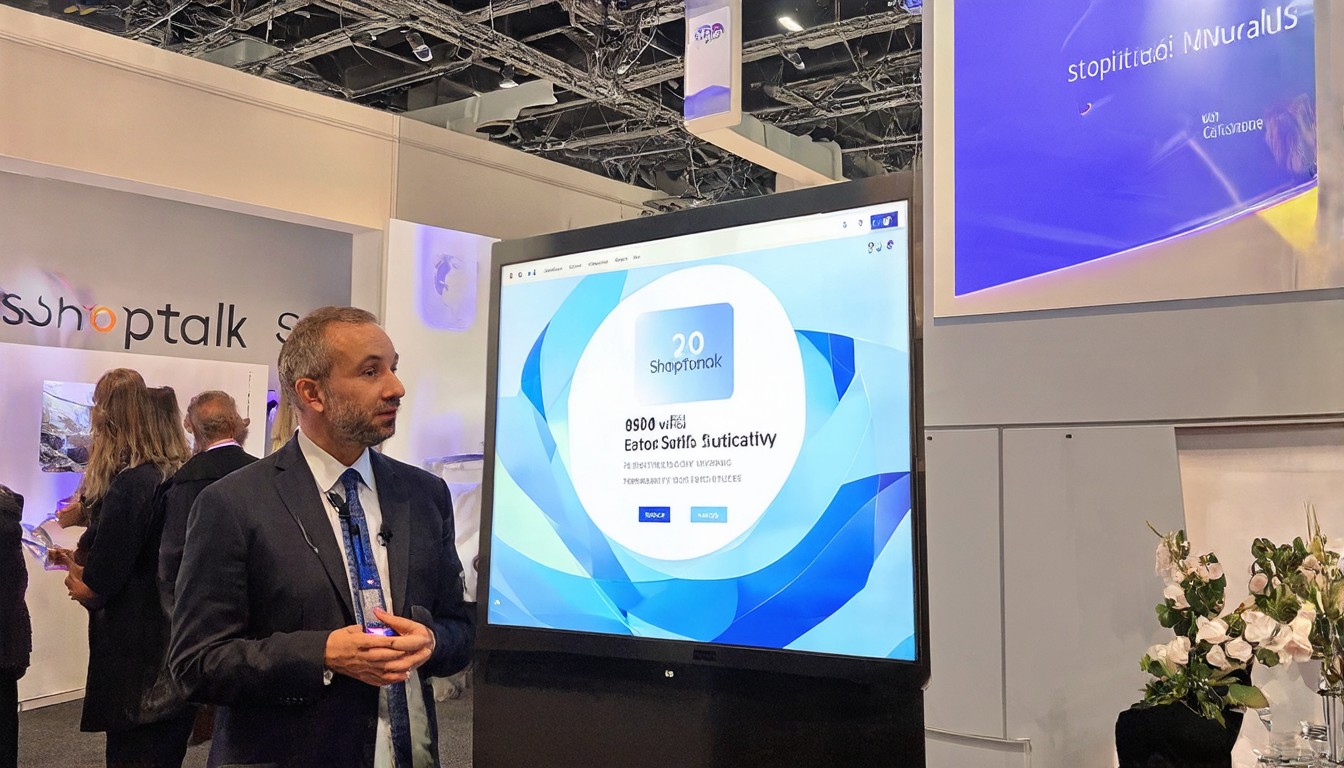
At retail conferences, the buzz around artificial intelligence (AI) has been relentless. From tech vendors pitching their latest AI-powered solutions to executives showcasing the results of their AI chatbots, the industry's fascination with AI seems unwavering. This year's Shoptalk Spring conference highlighted a significant shift in the conversation, as AI moved further away from the experimental phase and began to focus on proving real results and defining a true strategy.
In the past, AI at retail events was often about demonstrating the latest tools and technologies. Vendors would showcase their AI capabilities, hoping to capture the attention of retailers and convince them of the potential benefits. However, many of these early AI implementations were more about experimentation than practical application. Retailers would try out new AI tools, but the results were often unclear or difficult to measure.
This year, the tone at Shoptalk Spring was different. The focus was on real-world applications and measurable outcomes. Retailers and vendors alike were eager to discuss the tangible benefits of AI, such as improved customer engagement, increased sales, and enhanced operational efficiency. The emphasis on results-driven strategies signaled a maturation of the AI market, as companies began to prioritize solutions that could deliver concrete value.
One of the key themes at the conference was the importance of AI in personalizing the customer experience. Retailers are increasingly recognizing the need to offer more personalized interactions to compete in an increasingly crowded market. AI-powered tools, such as chatbots and recommendation engines, are proving to be valuable in helping retailers achieve this goal.
For example, one retailer shared how their AI chatbot had significantly improved customer service by providing quick, accurate responses to common inquiries. This not only reduced the workload on human customer service representatives but also enhanced the overall customer experience. Another retailer highlighted how their AI-powered recommendation engine had increased sales by suggesting products that were more likely to appeal to individual customers.
In addition to customer-facing applications, AI is also being leveraged to optimize backend operations. Retailers are using AI to improve supply chain management, forecast demand more accurately, and reduce costs associated with overstocking or understocking products. These operational efficiencies are crucial for retailers looking to stay competitive in an ever-changing market.
The shift in focus from experimentation to results-driven strategies is a reflection of the growing maturity of the AI market. As more retailers and vendors gain experience with AI, they are becoming more discerning in their approach. They are no longer just interested in the latest tools but are instead seeking solutions that can deliver measurable improvements in key areas such as customer engagement, sales, and operational efficiency.
This year's Shoptalk Spring conference also saw a renewed interest in AI collaboration. Retailers and vendors are recognizing the value of working together to develop and implement AI solutions. By sharing data and expertise, they can create more effective AI systems that are tailored to their specific needs.
In conclusion, the AI talk at retail events is evolving. The focus is no longer solely on showcasing the latest tools but rather on proving real results and defining a true strategy. As retailers and vendors gain more experience with AI, they are becoming more selective in their approach, prioritizing solutions that can deliver tangible benefits. This shift is a testament to the growing maturity of the AI market and its increasing importance in the retail industry.









