
AI server farms heat up the neighborhood for miles around, paper finds
Researchers say localized warming can extend well past site edges, raising concerns about community impact Datacenters create heat islands that raise surrounding temperatures by several degrees at distances up to 10 km (over 6 miles), which could have an impact on surrounding communities.…
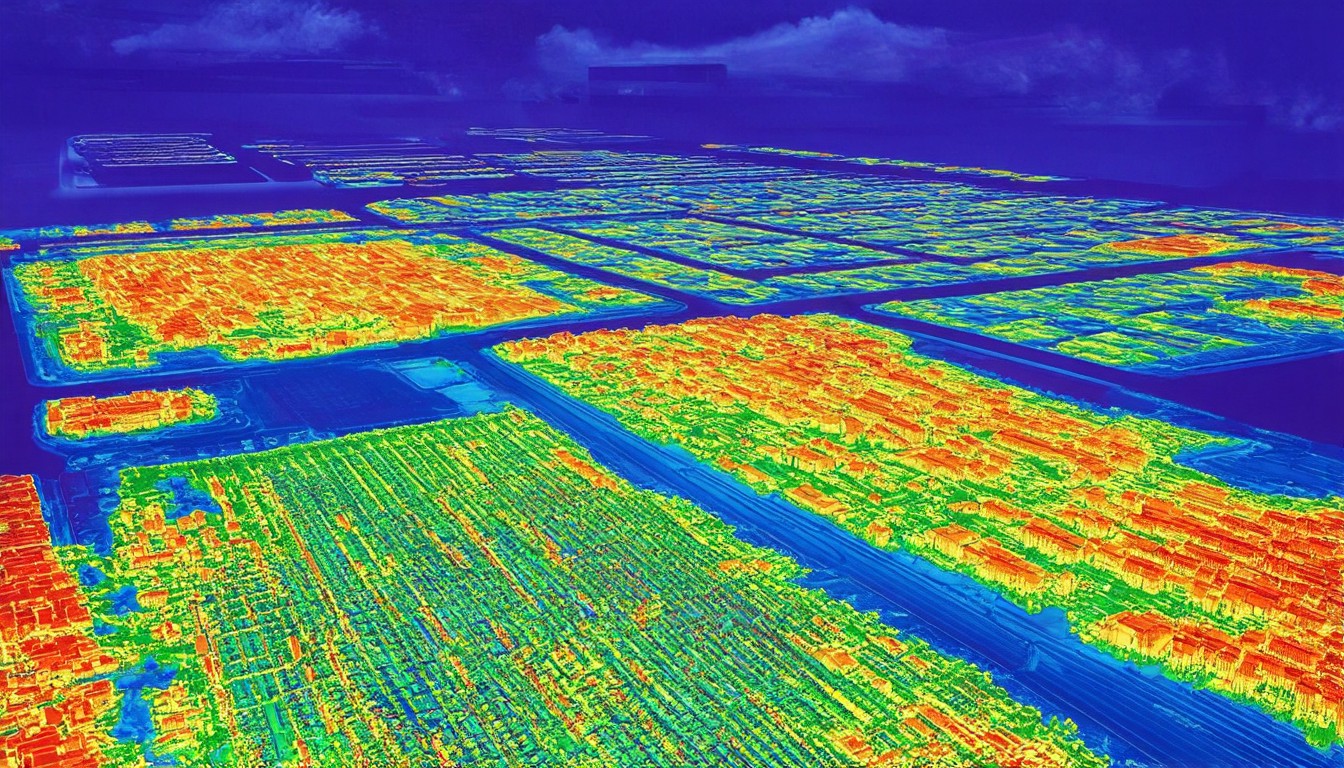
In a recent study, researchers have discovered that the heat generated by AI server farms can significantly impact the surrounding environment, extending well beyond the immediate vicinity of these facilities. These data centers, which house vast amounts of computing power, have been found to create localized heat islands that raise temperatures by several degrees over an area of up to 10 kilometers (over 6 miles). This discovery raises concerns about the potential effects on nearby communities and the broader environment.
The research, conducted by a team of environmental scientists and urban planners, involved analyzing temperature data collected from various locations around data centers. The findings revealed that the heat emitted by these facilities is not confined to the site itself but can spread outward, affecting the surrounding area. This phenomenon, known as the "urban heat island effect," is typically associated with cities and their dense infrastructure, but the study highlights that data centers can contribute to it in a significant way.
The primary source of heat in data centers comes from the energy-intensive operations of the servers, which require cooling systems to prevent overheating. These cooling systems, often located outdoors, expel large amounts of warm air into the environment. Over time, this can create a localized increase in temperature that persists even after the servers have been shut down.
The study's authors emphasize that the impact of data centers on the environment is a growing concern, given the rapid expansion of AI technologies and the corresponding demand for more powerful computing resources. As the number of data centers continues to rise, so too does the potential for these facilities to influence local climates and weather patterns.
One of the key findings of the research is that the heat generated by data centers can extend up to 10 kilometers from the site. This means that communities located several miles away from these facilities may still experience a rise in temperatures due to the heat island effect. Such an increase in temperature could have several implications for these communities, including higher energy consumption for cooling, increased heat stress on residents, and potential impacts on local ecosystems.
The study also highlights the need for better planning and regulation of data center locations. By carefully considering the environmental impact of these facilities, policymakers and industry leaders can help mitigate the negative effects on surrounding areas. This may involve siting data centers in less populated areas or implementing more efficient cooling technologies to reduce the heat emitted into the environment.
Furthermore, the research underscores the importance of integrating environmental considerations into the design and operation of data centers. By adopting sustainable practices, such as using renewable energy sources or implementing energy-efficient systems, the industry can help minimize its impact on local climates and reduce its carbon footprint.
In conclusion, the study by the researchers serves as a warning that the heat generated by AI server farms is not a localized issue but can have far-reaching consequences for communities and the environment. As the demand for AI technologies continues to grow, it is crucial for industry leaders, policymakers, and urban planners to address these concerns and work together to find solutions that balance the need for powerful computing resources with the need to protect the environment and public health.









