AI-powered smart bandage heals wounds 25% faster
A new wearable device, a-Heal, combines AI, imaging, and bioelectronics to speed up wound recovery. It continuously monitors wounds, diagnoses healing stages, and applies personalized treatments like medicine or electric fields. Preclinical tests showed healing about 25% faster than standard care, highlighting potential for chronic wound therapy.
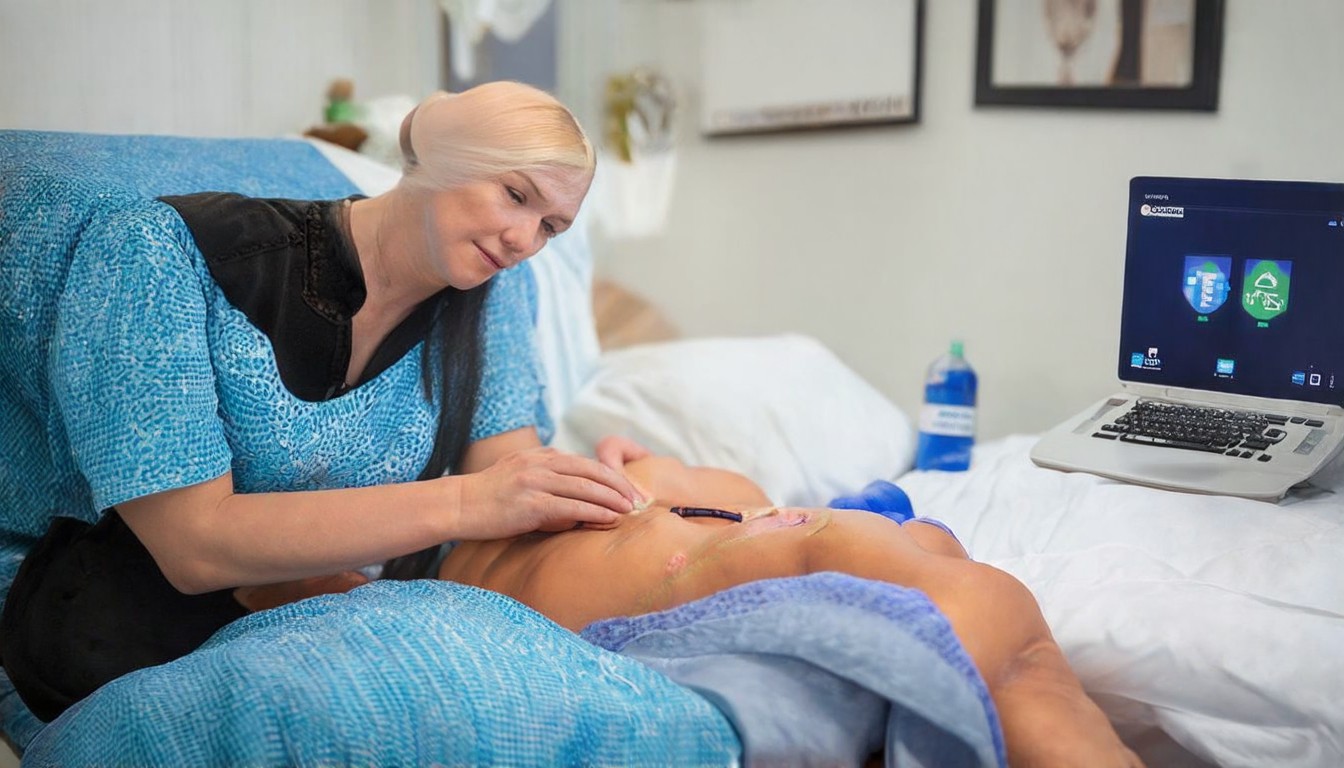
In a groundbreaking development in the field of medical technology, a new AI-powered smart bandage called a-Heal has demonstrated the ability to heal wounds 25% faster than traditional methods. This innovative wearable device integrates advanced technologies such as artificial intelligence, imaging, and bioelectronics to provide personalized treatment and continuous monitoring of wound healing.
The a-Heal bandage is designed to revolutionize the way wounds are treated, particularly those that are chronic or difficult to heal. By leveraging AI, the device can analyze data from embedded sensors and imaging technology to diagnose the specific stage of healing a wound is in. This capability allows the bandage to apply targeted treatments, such as delivering medication or applying electric fields, to optimize the healing process.
The development of a-Heal is the result of years of research and collaboration between a team of engineers, biologists, and medical professionals. The core technology behind the device is its ability to adapt to the unique needs of each wound. Unlike standard care, which often relies on a one-size-fits-all approach, a-Heal uses real-time data to tailor its interventions, ensuring that the healing process is as efficient and effective as possible.
Preclinical tests conducted on the a-Heal bandage have shown promising results, with wounds healing approximately 25% faster than those treated with conventional methods. This significant improvement in healing time could have a profound impact on patients suffering from chronic wounds, which are often associated with prolonged pain, disability, and increased healthcare costs.
The potential applications of a-Heal extend beyond the treatment of chronic wounds. The device's ability to monitor and manage the healing process could also be beneficial in a variety of medical scenarios, such as managing burns, surgical site infections, and even promoting tissue regeneration in areas affected by skin grafts.
Despite the promising early findings, the a-Heal bandage is still in the preclinical testing phase, and further research is needed to fully understand its potential benefits and limitations. Clinical trials will be essential to evaluate the device's safety and efficacy in a larger, more diverse population of patients.
The success of a-Heal highlights the growing potential of AI and bioelectronics in the field of healthcare. As these technologies continue to evolve, they hold the promise of transforming the way we diagnose, treat, and manage a wide range of medical conditions. The development of a-Heal is a testament to the power of interdisciplinary collaboration and the relentless pursuit of innovation in the quest to improve patient outcomes.
In the coming years, it will be crucial to monitor the progress of a-Heal and similar technologies, as they have the potential to reshape the landscape of wound care and beyond. As the medical community continues to embrace new technologies, the hope is that advancements such as a-Heal will lead to faster, more effective treatments, ultimately improving the quality of life for millions of patients worldwide.