
AI porn isn’t regulated. What does that mean for depictions of queer bodies?
“Transgender,” “Lesbian” and “Twink” are some of Pornhub’s most watched categories. What happens when you can create these types of porn with artificial intelligence?
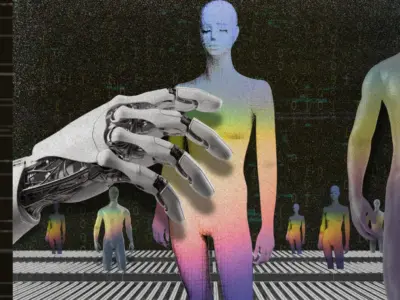
As the demand for queer-themed adult content surges, the rise of AI porn has raised concerns about the unregulated exploitation of queer bodies. In 2025, Pornhub's most-watched categories included "Lesbian" as the top choice and "Transgender" in second place, marking a significant increase from the previous year. This trend coincides with the growing popularity of AI porn generators, with Google searches for such tools experiencing a steady climb. One site alone received 8.57 million visitors in January 2026.
AI-generated pornography often falls under the category of "non-photo-realistic media" or "non-hyper-realistic adult content," similar to illustrations. Aurélie Petit, a postdoctoral researcher at the Quebec research chair on French-language artificial intelligence and digital technologies, explained that the lack of regulation for this type of content poses challenges in addressing and regulating AI adult productions.
While efforts to regulate the AI porn industry have been made, such as the U.S. Congress passing the TAKE IT Act, there is still a long way to go in ensuring the protection of queer bodies. The unregulated nature of AI porn allows for the potential exploitation of marginalized groups, as these technologies can perpetuate stereotypes and objectify individuals.
The rise of AI porn also raises questions about consent and representation. Since AI-generated content does not involve real people, the issue of consent becomes complicated. Moreover, the portrayal of queer bodies in AI porn may reinforce existing biases and contribute to the normalization of harmful stereotypes.
Additionally, the lack of regulation in the AI porn industry can lead to the spread of disinformation and harmful content. Without proper oversight, AI porn generators could be used to create content that inaccurately represents queer experiences or perpetuates myths about LGBTQ+ communities.
As the global appetite for LGBTQ+ adult content grows alongside the explosion of AI porn, it is crucial to address the regulatory gaps and potential risks associated with this technology. Ensuring that AI porn does not exploit queer bodies and that it accurately represents diverse experiences is essential for the protection of marginalized groups.
In conclusion, the unregulated nature of AI porn poses significant challenges for the representation and protection of queer bodies. As the demand for queer-themed content increases, it is imperative to establish clear guidelines and regulations to mitigate the risks and ensure that AI porn does not perpetuate harm or inaccuracies. The future of AI in adult content will likely require careful consideration of ethical implications and the need for comprehensive regulation to safeguard the rights and well-being of all individuals.









