
AI glasses are catching on in China, from shopping to cheating
Early adopters are renting AI glasses for $6 a day for navigation, translation, and school exams.
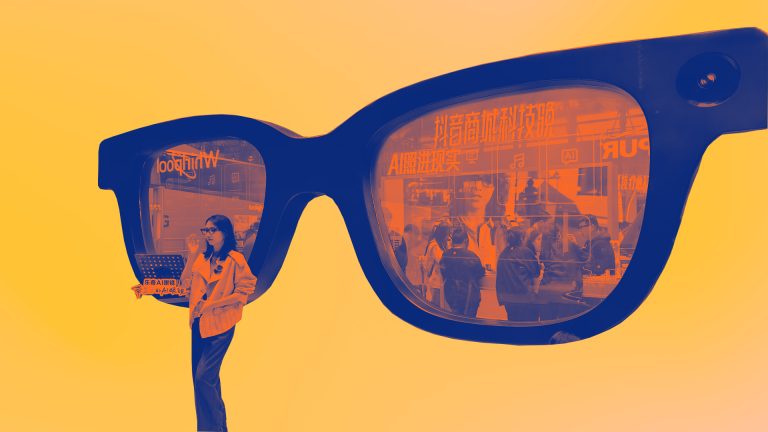
In recent years, the world has witnessed a surge in the adoption of augmented reality (AR) technology, with one of the most intriguing developments being the rise of AI glasses in China. These innovative devices, which can be rented for as little as $6 a day, are quickly becoming a staple for early adopters seeking enhanced navigation, translation, and even academic assistance.
The popularity of AI glasses in China can be attributed to their versatility and practical applications. For instance, individuals like Vivian, a university student in Hebei province, have found these glasses to be invaluable for various tasks. When Vivian ventures out on her scooter, she dons her Rokid AI glasses to navigate unfamiliar routes with ease. The glasses provide real-time directions, helping her avoid traffic and reach her destination quickly.
In addition to navigation, AI glasses are also being used for translation purposes. Many users appreciate the convenience of having instant translation at their fingertips, particularly when traveling or interacting with non-native speakers. The glasses can translate spoken words into text and vice versa, making communication a breeze in multilingual environments.
However, the applications of AI glasses extend beyond practical tasks. Surprisingly, these devices have also found their way into the world of education, where they are being used to aid students in their studies. Some students have reported using AI glasses during school exams to access information or even cheat. While this raises ethical concerns, it underscores the potential of AI glasses to transform various aspects of daily life.
The rise of AI glasses in China is not without its challenges. One of the primary concerns is privacy. As these devices collect and process vast amounts of data, including personal information, there is a risk of misuse or data breaches. Regulatory bodies are working to address these issues, but the pace of technological advancement often outstrips the ability to implement comprehensive safeguards.
Moreover, the accessibility and affordability of AI glasses are critical factors in their widespread adoption. While the rental price of $6 a day may seem reasonable, it is still a significant expense for many individuals. As a result, the technology remains largely confined to early adopters and those who can afford the investment.
Despite these challenges, the potential benefits of AI glasses are undeniable. By integrating advanced AI capabilities into a wearable device, these glasses offer a glimpse into the future of augmented reality. As the technology continues to evolve, it is likely that we will see further innovations in areas such as healthcare, entertainment, and more.
In conclusion, the adoption of AI glasses in China is a testament to the growing acceptance of AR technology in everyday life. From navigation and translation to academic assistance, these devices are proving to be invaluable tools for users. While privacy concerns and affordability remain hurdles, the potential of AI glasses to enhance various aspects of life is undeniable. As the technology matures, it will be interesting to see how it continues to shape the way we interact with the world around us.









