
AI data center boom ‘stress tests’ insurers as private capital floods in
Rapid technological advancements and the huge sums of money flowing into the data center are posing both risks and rewards for insurers.
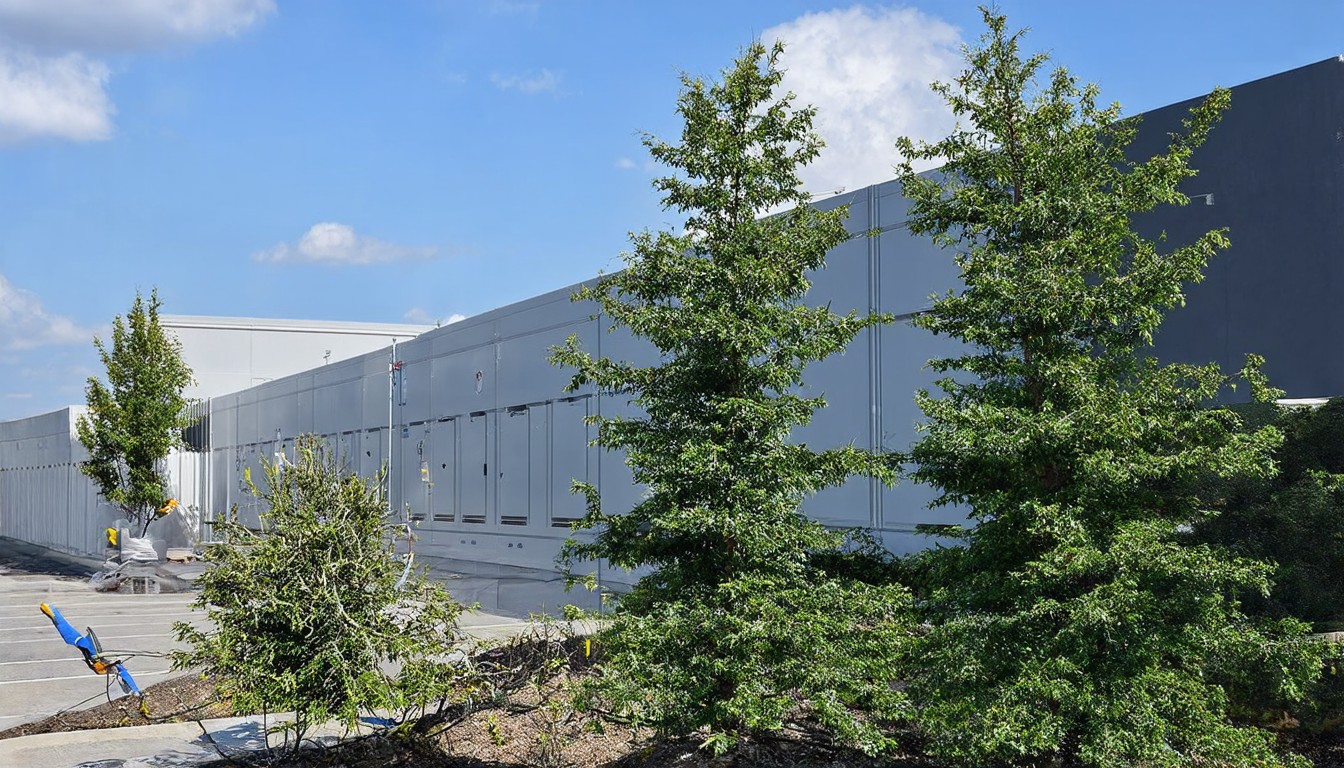
The rapid expansion of AI data centers has created a unique challenge for insurers, as the sector experiences a surge in private capital investment. This influx of funds, driven by the growing importance of data infrastructure in the digital age, is not only fueling innovation but also introducing new risks that traditional insurance models may struggle to address.
In recent years, the demand for AI-driven solutions has skyrocketed, leading to a significant increase in the number and scale of data centers. These facilities house vast amounts of sensitive data and complex computing systems, making them critical to businesses and governments alike. As a result, insurers are being tasked with developing new strategies to protect these assets from potential threats, such as cyberattacks, natural disasters, and operational failures.
One of the primary risks insurers face is the potential for catastrophic data breaches. With the sheer volume of information stored in AI data centers, a successful cyberattack could result in massive financial losses, reputational damage, and legal liabilities. Insurers are therefore investing in advanced cybersecurity solutions and risk management frameworks to mitigate these threats. Additionally, they are exploring innovative products, such as cyber insurance, to address the growing demand for protection against cyber risks.
Another challenge insurers are facing is the need to adapt to the unique characteristics of AI data centers. Unlike traditional facilities, these centers often operate 24/7, require specialized equipment, and are highly vulnerable to power outages and other operational disruptions. Insurers must therefore develop tailored policies that account for these specific risks, ensuring that coverage is comprehensive and cost-effective.
The influx of private capital into AI data centers is also driving insurers to reevaluate their underwriting practices. As investors become more involved in the sector, they are likely to demand more robust risk assessments and coverage options. This could lead to increased scrutiny on insurers to ensure they are providing adequate protection and transparency to their clients.
Despite the challenges, the AI data center boom presents insurers with significant opportunities. The growing demand for data infrastructure solutions is likely to result in increased premiums and a broader range of products. Insurers that can adapt quickly and innovate will be well-positioned to capitalize on this trend.
Moreover, the collaboration between insurers and AI data center operators is becoming increasingly important. By working together, both parties can identify potential risks and develop proactive strategies to manage them. This partnership could lead to the development of new technologies and risk mitigation measures that benefit all stakeholders.
In conclusion, the rapid growth of AI data centers is putting insurers through a significant stress test. As private capital continues to flow into this sector, insurers must adapt their strategies to address the unique risks and rewards presented. By embracing innovation and collaboration, insurers can not only protect their clients but also position themselves for long-term success in this rapidly evolving market.









