
AI data center boom ‘stress tests’ insurers as private capital floods in
Rapid technological advancements and the huge sums of money flowing into the data center are posing both risks and rewards for insurers.
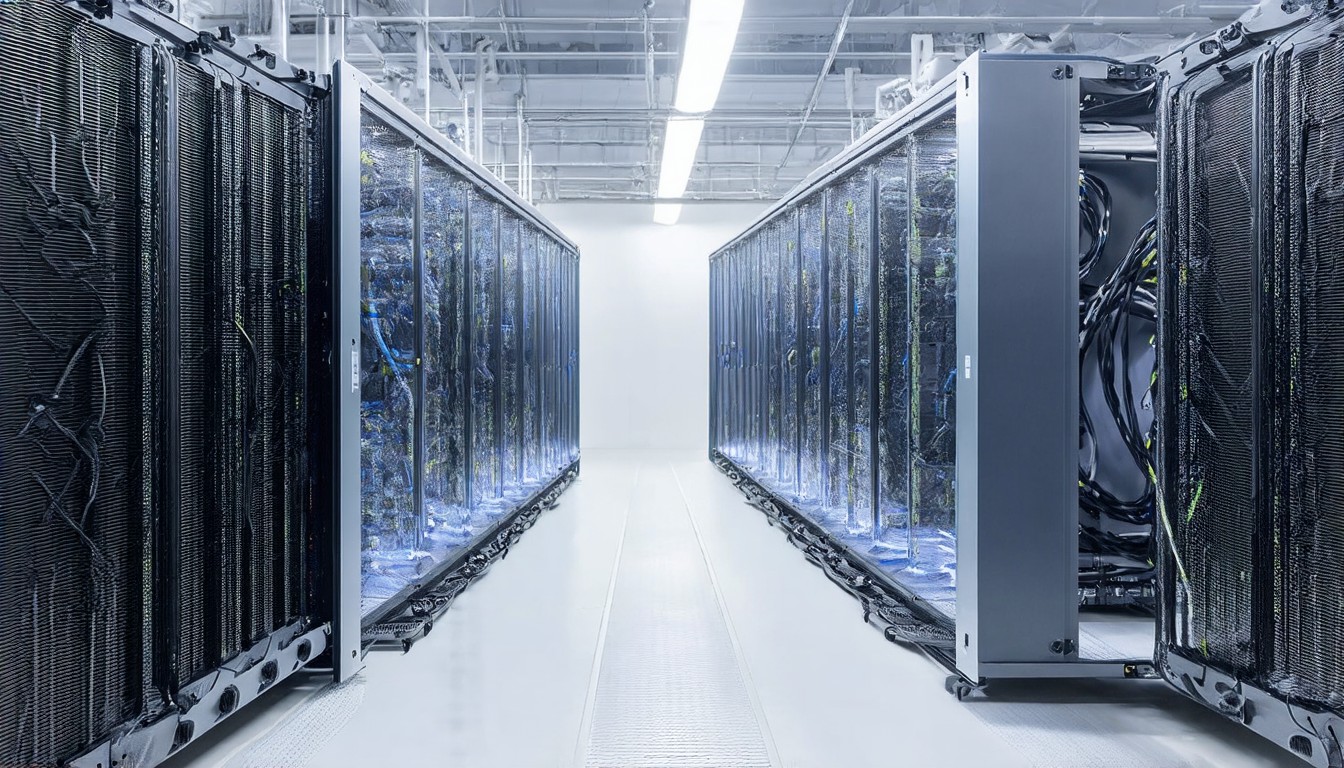
The rapid expansion of artificial intelligence (AI) data centers has created a unique challenge for insurers, as the sector faces both significant opportunities and risks. With the surge in demand for AI-driven technologies, the construction of massive data centers has accelerated, attracting substantial private capital investments. This boom, however, has put insurers under pressure to navigate the complexities of insuring these high-value, high-risk facilities.
In recent years, the AI industry has experienced exponential growth, driven by advancements in machine learning, natural language processing, and other cutting-edge technologies. As a result, the demand for large-scale data centers has skyrocketed, with companies investing billions of dollars in infrastructure to support these operations. This influx of private capital has fueled the rapid development of data centers worldwide, transforming the landscape of the technology sector.
For insurers, this surge in private investment presents both challenges and opportunities. On one hand, the increased demand for data center insurance creates a lucrative market, as insurers can offer specialized policies tailored to the unique risks associated with these facilities. On the other hand, the complexity of insuring AI data centers poses significant challenges, as insurers must carefully assess the potential risks and develop comprehensive coverage strategies.
One of the primary risks associated with AI data centers is the high cost of infrastructure and the potential for catastrophic failures. Data centers are often equipped with sophisticated hardware and software systems, which can be extremely expensive to replace if they malfunction or are damaged. Additionally, the high energy consumption of these facilities makes them vulnerable to power outages and other disruptions, which can lead to significant downtime and financial losses.
Insurers must also consider the potential for cyber threats and data breaches, as AI data centers often store vast amounts of sensitive information. The risk of cyberattacks has increased in recent years, with hackers targeting high-value data centers to steal intellectual property or cause widespread disruption. Insurers must therefore develop robust cybersecurity policies and offer comprehensive coverage to mitigate these risks.
Despite the challenges, the opportunities for insurers in the AI data center market are substantial. As the demand for AI technologies continues to grow, the need for specialized insurance coverage will also increase. Insurers that are able to offer tailored policies and innovative solutions to address the unique risks associated with AI data centers will be well-positioned to capture a significant share of this growing market.
To navigate these complexities, insurers are turning to data analytics and advanced risk management strategies. By leveraging AI and machine learning techniques, insurers can gain a deeper understanding of the risks associated with data centers and develop more effective risk mitigation strategies. Additionally, insurers are collaborating with technology companies to develop new insurance products and services that address the evolving needs of the AI industry.
In conclusion, the AI data center boom presents both risks and rewards for insurers. While the rapid expansion of these facilities poses significant challenges, it also offers a lucrative market opportunity. As insurers adapt to this rapidly changing landscape, they must carefully assess the potential risks and develop innovative strategies to mitigate these challenges. By leveraging advanced risk management techniques and collaborating with technology companies, insurers can position themselves to capitalize on the growth of the AI data center market and ensure their long-term success.









