
AI agent future coming, OpenClaw creator says at Tokyo event
Peter Steinberger's artificial intelligence agent tool OpenClaw has taken the tech world by storm with its ability to execute real-life tasks such as checking him in for his…
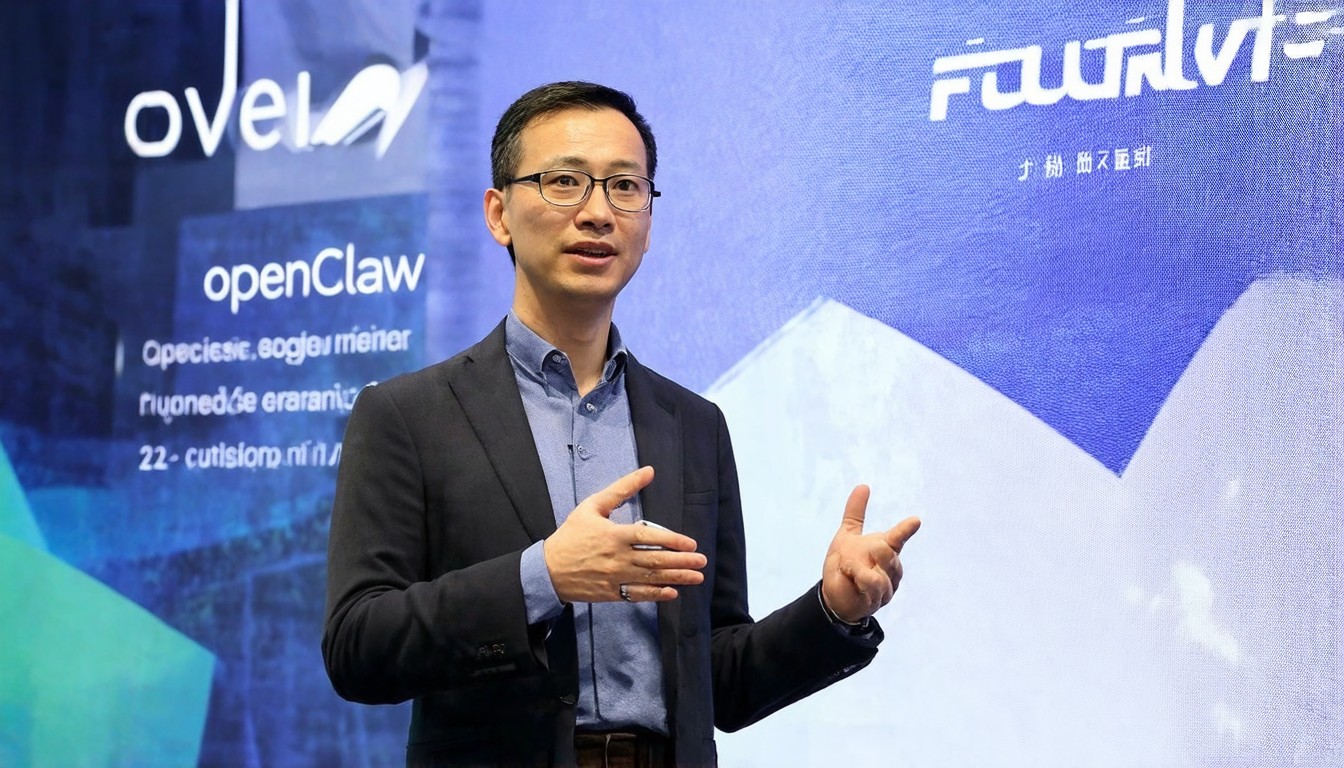
At a recent tech event in Tokyo, Peter Steinberger, the creator of OpenClaw, an AI agent tool, shared his vision for the future of artificial intelligence. OpenClaw, which has garnered significant attention in the tech community, is designed to execute real-life tasks with remarkable efficiency. Steinberger's presentation highlighted the tool's capabilities and its potential impact on various industries.
OpenClaw is a groundbreaking AI agent that can perform tasks such as booking flights, managing schedules, and even handling personal errands. Its ability to interact with the real world in a seamless manner has set it apart from traditional AI systems, which often struggle with complex, unstructured tasks. Steinberger emphasized that OpenClaw's success stems from its advanced learning algorithms and its capacity to adapt to new situations.
During the event, Steinberger demonstrated how OpenClaw can assist in everyday scenarios. For instance, he showcased the AI agent checking him into a flight, coordinating a meeting, and even ordering groceries. These examples underscored OpenClaw's versatility and its potential to revolutionize how humans interact with technology. Steinberger envisioned a future where AI agents like OpenClaw become ubiquitous, handling mundane tasks and freeing individuals to focus on more creative endeavors.
The creator also discussed the challenges faced in developing OpenClaw. He mentioned the need for extensive training data and the complexities of programming AI agents to navigate the intricacies of the real world. Steinberger highlighted the importance of collaboration between AI researchers, ethicists, and industry experts to ensure the responsible development and deployment of such technologies.
OpenClaw's potential applications extend beyond personal assistance. Steinberger envisioned industries such as healthcare, finance, and logistics benefiting from AI agents that can process vast amounts of data, identify patterns, and make informed decisions. He also touched upon the possibility of OpenClaw aiding in disaster response and emergency management, where its ability to act autonomously and swiftly could be invaluable.
However, Steinberger acknowledged the concerns surrounding the rise of AI agents. He addressed the ethical implications of delegating tasks to machines and the potential job displacement that could result. He stressed the need for transparent AI systems and the importance of maintaining human oversight to prevent misuse.
In conclusion, Peter Steinberger's presentation at the Tokyo event painted a compelling picture of a future where AI agents like OpenClaw play a pivotal role in shaping our daily lives and the way we interact with technology. While the challenges are significant, the potential benefits are immense, offering opportunities for efficiency, innovation, and progress in various sectors. As the tech world continues to evolve, OpenClaw serves as a testament to the possibilities that lie ahead in the realm of artificial intelligence.









