
Agtech Seedlings: Bonsai Robotics secures $15M to advance automated fruit harvesters
Also in this week’s farm technology news: CH4 Global begins large-scale production of methane reduction feed additives and an indoor greens grower expands and rebrands.
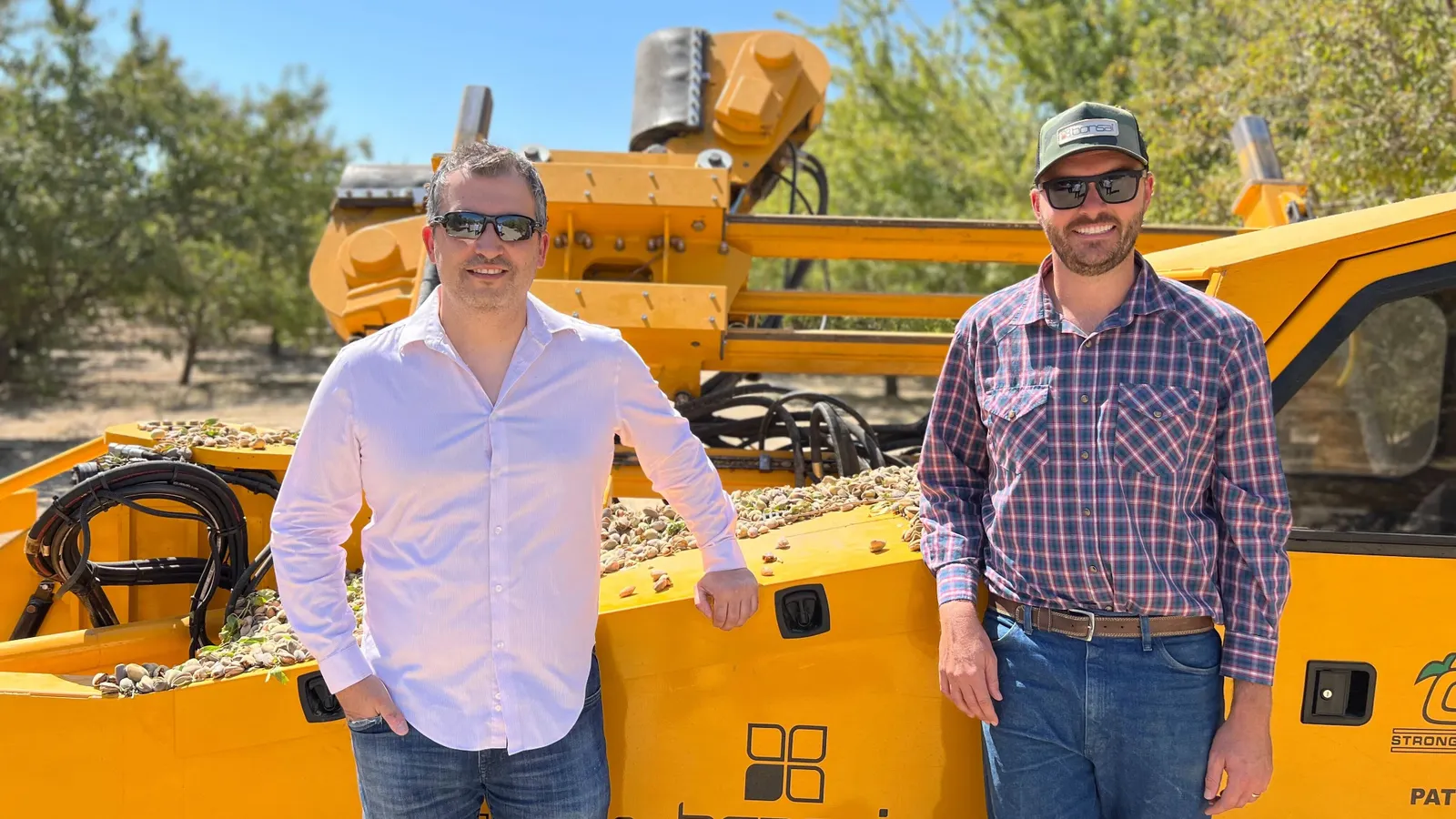
In a flurry of recent developments in agricultural technology, Bonsai Robotics has secured a significant investment of $15 million to propel its vision of automated fruit harvesters. This funding will enable the company to accelerate its research and development efforts, bringing its innovative harvesting systems closer to commercialization. The announcement comes as part of a broader wave of investment in agtech startups, reflecting the growing recognition of the potential benefits of automation in the agricultural sector.
Bonsai Robotics, a company known for its expertise in robotics and automation, has been working on developing autonomous systems designed to efficiently harvest fruits from orchards. The new funding will allow the company to refine its technology, expand its testing capabilities, and potentially scale up its operations. The goal is to create a more efficient and sustainable approach to fruit harvesting, which could significantly reduce labor costs and improve the overall productivity of agricultural operations.
The company's automated harvesters are designed to navigate orchards with precision, carefully plucking fruits while minimizing damage to the plants. This technology could be particularly beneficial in regions where labor shortages are becoming a pressing issue, as it offers a viable alternative to manual harvesting. By automating the process, farmers could also ensure a more consistent quality of produce, as the robots are programmed to adhere to strict standards for picking and handling.
In addition to Bonsai Robotics' funding announcement, another notable development in the farm technology sector is the news that CH4 Global has begun large-scale production of methane reduction feed additives. Methane is a potent greenhouse gas that is naturally produced by livestock digestion, contributing to climate change. CH4 Global's innovative product aims to mitigate this impact by reducing methane emissions from livestock feed. The additive works by targeting the microorganisms responsible for methane production in the animals' digestive systems, thereby lowering methane emissions without compromising the animals' health or the quality of the products they produce.
This development is part of a broader trend in the agricultural industry towards more sustainable practices, as farmers and technology companies alike seek ways to reduce their environmental footprint. By addressing methane emissions, CH4 Global's product not only contributes to climate change mitigation but also offers farmers a way to improve their bottom line, as reduced methane emissions can lead to lower greenhouse gas emissions fees.
A third development in the farm technology space this week is the expansion and rebranding of an indoor greens grower. The company, which specializes in growing a variety of leafy greens in controlled indoor environments, has announced plans to expand its operations and rebrand to better reflect its mission of providing high-quality, sustainable produce year-round. The indoor grower's system allows for precise control over environmental conditions, enabling the production of fresh, nutritious greens that are resilient to pests and diseases.
This expansion and rebranding signal the company's commitment to meeting the growing demand for locally sourced, environmentally friendly produce. As consumers become increasingly aware of the benefits of eating fresh, locally grown greens, the company's move to expand its operations and enhance its branding is a strategic response to changing market dynamics.
In summary, the recent developments in farm technology highlight the dynamic and innovative nature of the sector. From Bonsai Robotics' advancements in automated fruit harvesters to CH4 Global's methane reduction feed additives and the expansion of an indoor greens grower, these companies are pushing the boundaries of what is possible in agriculture. As the world continues to grapple with challenges such as climate change, labor shortages, and the need for sustainable practices, the agricultural technology sector is poised to play a crucial role in finding solutions that benefit both the environment and the bottom line.









