
After a four-year wait to see a dentist, her son suffered. With Medi-Cal cuts, the wait will be even longer
People try for months, sometimes years, to find dentists who take Denti-Cal, Medi-Cal for teeth. The state may slash those dentist reimbursements.
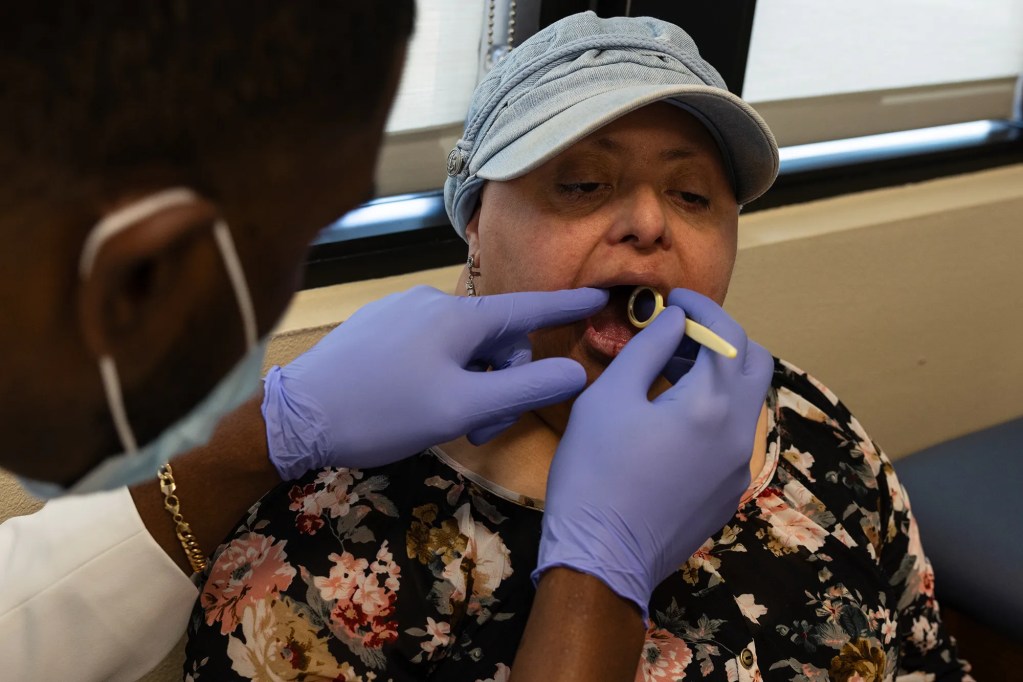
In California, the struggle to access dental care through Medi-Cal, the state's health program for low-income individuals, has become an increasingly daunting task. For many families, waiting for a dentist appointment can stretch into years, leading to severe dental health issues and costly emergency treatments. The situation is set to worsen as the state considers cutting reimbursements for dentists who accept Medi-Cal patients, potentially leaving even fewer providers willing to take on these cases.
Pat Hornbecker, a retired dental hygienist and disability rights advocate, knows all too well the challenges faced by families relying on Medi-Cal Dental, also known as Denti-Cal. As the mother of an adult son with a developmental disability, she has firsthand experience with the system's limitations. Her son, Joseph, who lives on Supplemental Security Income, has had to endure a four-year wait for a basic dental cleaning and exam. By the time he received care, he had multiple broken teeth, advanced gum recession, and untreated decay. The consequences were severe: eight extractions, nine fillings, and restorative gum surgery. His recovery was painful and difficult, and even follow-up appointments were delayed for years.
Hornbecker's experience is not an isolated incident. As president of the board of directors of The Arc of California, she represents approximately 500,000 Californians with developmental disabilities and their families. These individuals often face similar struggles, waiting months or even years for appointments. Many must travel long distances to find a dentist who accepts Medi-Cal, and those requiring sedation, like Joseph, face an even narrower pool of providers.
The waitlists for initial dental assessments can stretch from six months to a year, with treatment waitlists prioritized by urgency. This means that routine care can be delayed for years, turning preventive dental care into a crisis. Emergency rooms often become the default destination for those in need of dental care, further straining an already overwhelmed healthcare system.
The situation is set to become even more dire as the state considers reducing reimbursements for dentists who accept Medi-Cal patients. This move could discourage more providers from taking on these cases, leaving vulnerable populations without adequate access to dental care. The consequences of such a decision would be felt most acutely by those with developmental disabilities, who are already at a higher risk of oral health issues due to physical and cognitive challenges that make oral hygiene more difficult.
Hornbecker emphasizes the importance of addressing these systemic issues to ensure that all Californians, regardless of their income or disability status, have access to essential dental care. By improving the availability of Medi-Cal-accepting dentists and supporting preventive care, the state can help avoid the costly and painful outcomes that so many families, like the Hornbeckers, have experienced. The time to act is now, as the current system is failing to meet the needs of those who rely on it the most.









