After 12 years of blood, Assad’s Syria rejoins the Arab League
One of the 21st century’s worst war criminals makes a comeback
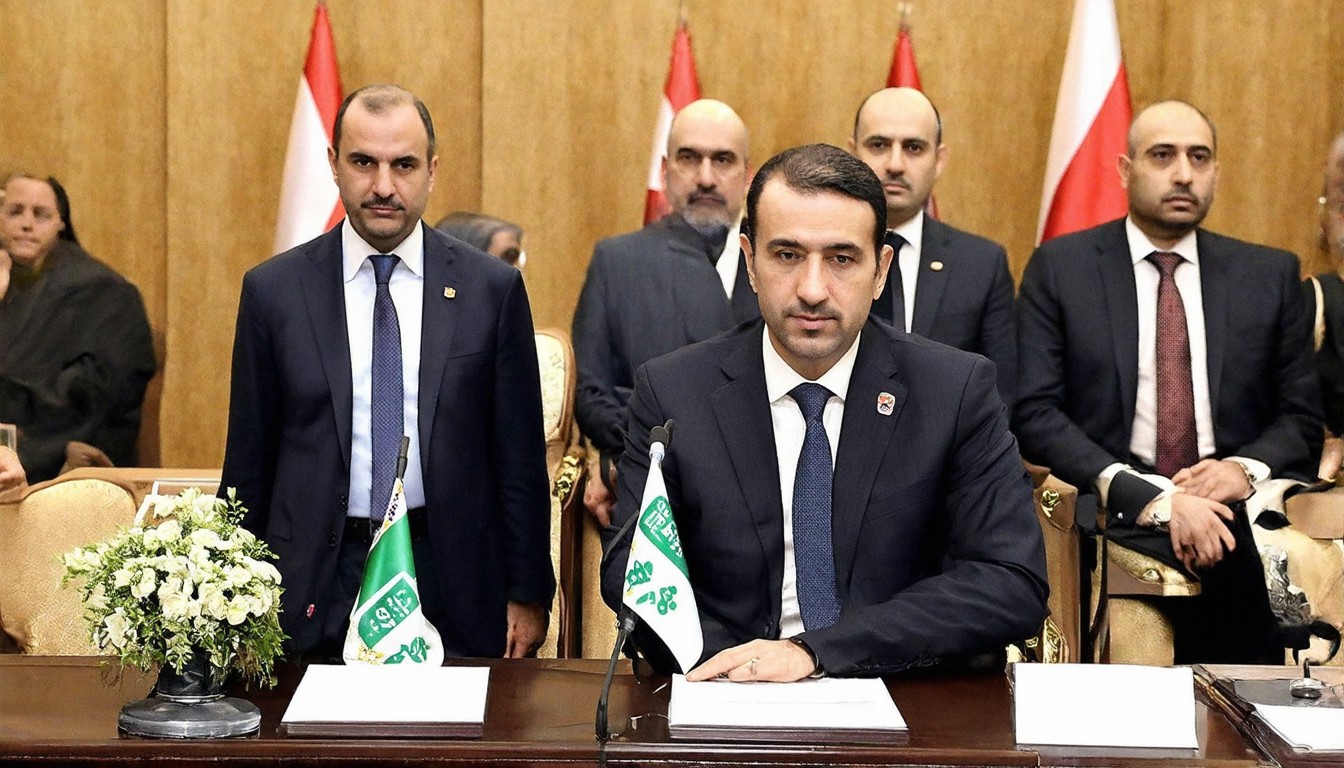
After 12 years of bloodshed, Syria's rejoining of the Arab League marks a controversial and complex return for a nation ravaged by conflict. The decision, announced in a statement by the Arab League's Secretary-General, Ahmed Aboul Gheit, signifies a significant shift in the international community's stance towards the Assad regime, which has been accused of war crimes and human rights abuses since the outbreak of the Syrian Civil War in 2011.
Syria's expulsion from the Arab League in 2011 followed a series of violent crackdowns by President Bashar al-Assad's forces, which led to widespread international condemnation. The move was seen as a symbolic gesture of solidarity with the Syrian people and a rejection of Assad's regime. However, the decision to readmit Syria now, amidst ongoing tensions and a fragile peace process, has sparked intense debate among Arab League member states and human rights organizations.
The rejoining of Syria to the Arab League comes at a time when the international community is grappling with the complexities of post-conflict reconstruction and the need for political stability in the region. The decision was made possible through a series of diplomatic efforts, including mediation by regional powers and the United Nations. While some argue that Syria's readmission is a necessary step towards rebuilding the nation and fostering regional cooperation, others contend that it legitimizes Assad's regime and undermines the accountability for the millions of lives lost and the humanitarian crisis that continues to plague the country.
Critics of Syria's readmission point to the ongoing violence and human rights abuses perpetrated by Assad's forces, including allegations of torture, forced disappearances, and the use of chemical weapons. They argue that the Arab League's decision to welcome Syria back without addressing these issues sends a troubling message about the organization's commitment to human rights and the rule of law. Human rights groups have called for a robust human rights monitoring mechanism to be in place before Syria's full reintegration, emphasizing the need for accountability and justice for the Syrian people.
On the other hand, proponents of Syria's readmission argue that the move is essential for the country's economic and political recovery. They contend that exclusion from regional organizations has hindered Syria's ability to rebuild its infrastructure and engage in meaningful dialogue with its neighbors. By rejoining the Arab League, Syria gains access to financial assistance and technical expertise that could aid in the reconstruction process. Furthermore, they argue that engagement with the Assad regime is a prerequisite for achieving lasting peace and stability in the region.
The decision to readmit Syria to the Arab League also reflects the shifting dynamics of regional politics. With the war in Syria drawing to a close, the international community is increasingly focused on the challenges of post-conflict reconstruction and the need for political reconciliation. The Arab League's move is seen as an attempt to rebuild trust and foster cooperation among its member states, many of which have been deeply divided over the Syrian conflict.
However, the rejoining of Syria to the Arab League is not without its challenges. The organization must navigate the delicate balance between political pragmatism and moral responsibility. As one of the 21st century's worst war criminals, Assad's regime has faced significant international pressure to hold those responsible for atrocities accountable. The decision to readmit Syria without a clear path to accountability raises questions about the Arab League's priorities and its role in upholding human rights in the region.
In conclusion, Syria's rejoining of the Arab League after a 12-year absence is a complex and contentious development that underscores the challenges of post-conflict reconciliation and the ongoing struggle for accountability in the Syrian conflict. While the move holds the potential for economic and political revival, it also raises critical questions about the international community's commitment to justice and the rule of law. As Syria seeks to rebuild its shattered society, the Arab League's decision to welcome it back serves as both a beacon of hope and a reminder of the unresolved issues that continue to haunt the region.