
Adam Smith and Reciprocal Tariffs
This month marks the 250th anniversary of Adam Smith’s magnum opus, The Wealth of Nations. The Liberty Fund print edition is 950 pages (excluding material added by the editors) and just about every page is chock full of wisdom. While there are some flaws, we rightfully celebrate this book as the monumental leap forward to […] The post Adam Smith and Reciprocal Tariffs appeared first on Econlib .
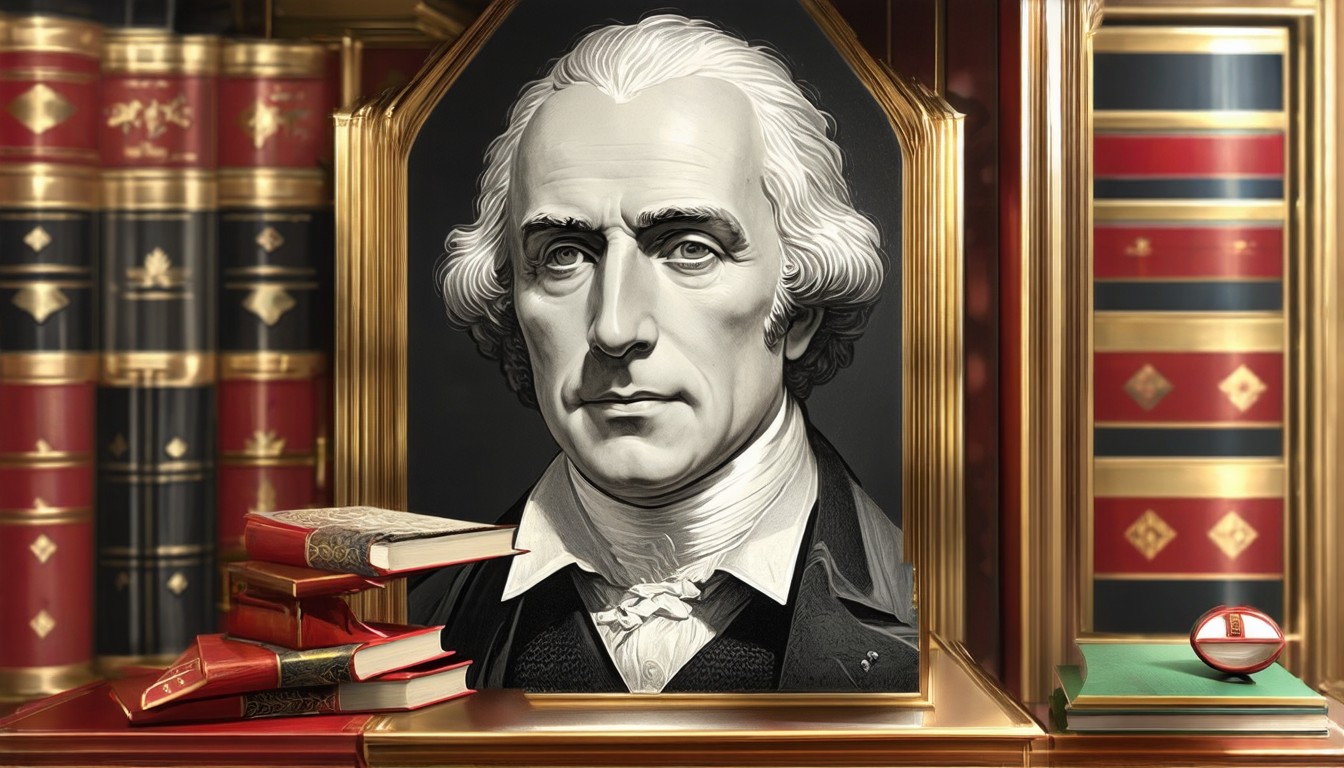
This month marks the 250th anniversary of Adam Smith’s magnum opus, The Wealth of Nations. The Liberty Fund print edition is 950 pages (excluding material added by the editors) and just about every page is chock full of wisdom. While there are some flaws, we rightfully celebrate this book as the monumental leap forward to human understanding that it is. As a trade economist, I tend to focus on Book IV, Of Systems of Political Economy, where Smith skillfully dissects and refutes the arguments for mercantilism and protectionism. At the end of Book IV, Smith claims: “All systems either of preference or of restraint, therefore, being thus completely taken away, the obvious and simple system of natural liberty establishes itself of its own accord. Every man, as long as he does not violate the laws of justice, is left perfectly free to pursue his own interest his own way, and to bring both his industry and capital into competition with those of any other man, or order of man. The sovereign is completely discharged from a duty…of superintending the industry of private people, and of directing it towards the employments most suitable to the interest of the society” (pg 687).
Smith was very much a free trader. He staunchly opposed tariffs designed to disrupt the natural flow of trade (revenue tariffs were less objectionable, but still not great). However, Smith’s approach allows for some exceptions. He discusses them on pages 463–471 (much has been written on these exceptions. For example, see my Adam Smith Works piece “Would Adam Smith Have Supported the Jones Act?” or Don Boudreaux’s discussion in his book Globalization). Among those exceptions, there is “a matter of deliberation” as to whether tariffs restricting freedom of trade are beneficial. If tariffs can be used in retaliation to open trade with another country (that is, remove their tariffs), then Smith argues temporary tariffs may be desirable: “There may be good policy in retaliations of this kind, when they are made use of to open a country to the commerce of others, by compelling it to remove the restraints which it has laid on the commerce of others with itself” (pg 469).
Smith’s idea of reciprocal tariffs is a clever solution to the age-old debate over protectionism and free trade. He acknowledges that some countries may impose tariffs to restrict trade, but he suggests that such measures can be countered with reciprocal tariffs. This approach encourages open trade by creating a balance of power between nations. If one country imposes tariffs, another can retaliate with similar measures, compelling the first to reconsider its restrictive policies.
Smith’s vision of reciprocal tariffs is not without its critics. Some argue that such a system could lead to an escalating cycle of tariffs, harming global trade. However, Smith’s insight lies in recognizing that temporary tariffs as a tool for negotiation can be effective in achieving free trade. He emphasizes that the ultimate goal should be the removal of all tariffs and the establishment of natural liberty in trade.
In the modern era, the concept of reciprocal tariffs remains relevant. As nations navigate complex trade agreements and the ever-evolving global economy, Smith’s ideas provide a foundation for understanding the intricacies of international trade policy. While his work may have flaws, The Wealth of Nations remains a cornerstone of economic thought, offering timeless wisdom on the path to prosperity through free trade and mutual benefit.
As we celebrate the 250th anniversary of The Wealth of Nations, let us remember Adam Smith’s enduring legacy. His vision of a world where trade flows freely, driven by natural liberty and mutual advantage, remains a beacon of hope for a more interconnected and prosperous future.









