
Accelerating the development of life-saving treatments
Accelerating the development of life-saving treatments.
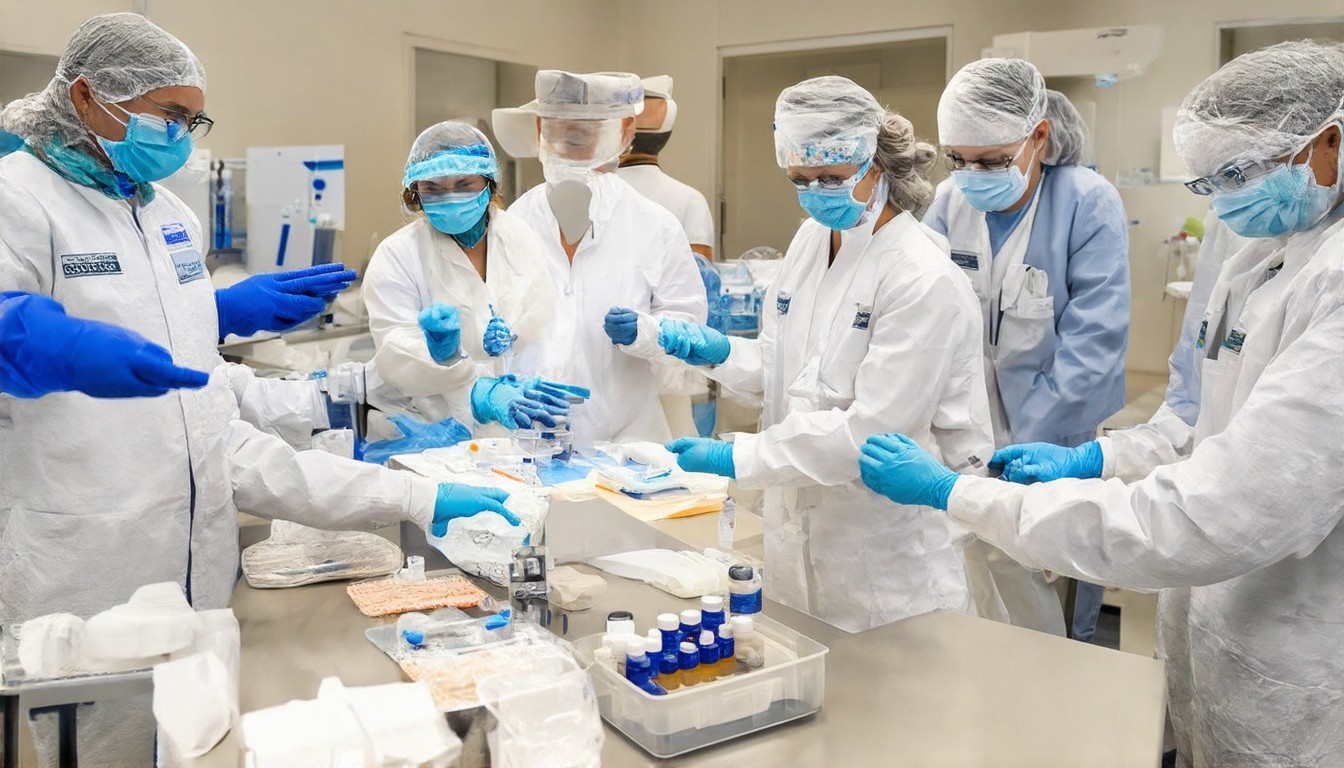
In recent years, the race to develop life-saving treatments has intensified as global health challenges grow more complex and urgent. Advances in technology, increased funding, and collaborative efforts among researchers, pharmaceutical companies, and governments are driving the acceleration of this critical process. This article explores the factors contributing to this acceleration, the impact on healthcare systems, and the future prospects for innovative treatments.
One of the key drivers of this acceleration is the rapid advancement of biotechnology and artificial intelligence. These technologies have enabled researchers to analyze vast amounts of data more quickly and efficiently, leading to faster drug discovery and development. For instance, machine learning algorithms can now predict the efficacy of potential drug candidates with a high degree of accuracy, significantly reducing the time and cost associated with traditional trial-and-error approaches. Additionally, the use of CRISPR gene-editing technology has opened new avenues for treating genetic disorders, offering hope for patients who have long been without effective treatments.
Furthermore, increased investment in research and development has been instrumental in accelerating the pace of innovation. Both public and private sectors have recognized the importance of investing in healthcare, leading to substantial funding for research initiatives. Governments around the world have established public-private partnerships to support collaborative projects, while pharmaceutical companies have increased their R&D budgets to stay competitive in the rapidly evolving market. This influx of capital has not only funded groundbreaking research but also attracted top talent to the field, further fueling progress.
Collaboration among stakeholders has also played a crucial role in accelerating the development of life-saving treatments. International organizations, such as the World Health Organization, have spearheaded initiatives to streamline regulatory processes and facilitate the sharing of research findings. This has enabled researchers to build on each other's work more efficiently, reducing duplication of efforts and speeding up the development timeline. Moreover, the establishment of global research consortiums has allowed scientists from diverse backgrounds to pool their expertise, leading to innovative solutions that might not have been possible in isolation.
The impact of these accelerated developments on healthcare systems has been profound. Hospitals and clinics are now equipped with more advanced diagnostic tools and treatments, enabling healthcare providers to offer personalized care and better outcomes for patients. However, this rapid pace of innovation also presents challenges, such as the need for healthcare systems to adapt quickly to new technologies and treatments. Training healthcare professionals and updating infrastructure to accommodate these advancements are critical tasks that must be addressed to ensure their effective implementation.
Looking ahead, the future of life-saving treatments appears promising. Continued investment in research, the integration of cutting-edge technologies, and global collaboration are poised to drive further acceleration in the development of these treatments. As scientists uncover new insights into the human body and its diseases, the potential for groundbreaking discoveries is vast. The ultimate goal remains to make these treatments accessible to all, ensuring that no one is left behind in the fight against life-threatening conditions.
In conclusion, the acceleration of life-saving treatments is a result of a confluence of factors, including technological advancements, increased funding, and enhanced collaboration. While challenges remain, the trajectory of progress is clear, offering hope for a future where healthcare systems are better equipped to address the world's most pressing health issues. As research continues to push boundaries, the potential for transformative treatments is greater than ever, paving the way for a healthier and more resilient global population.









