A Post-American Persian Gulf?
The Iran war will accelerate the region’s economic transformation.
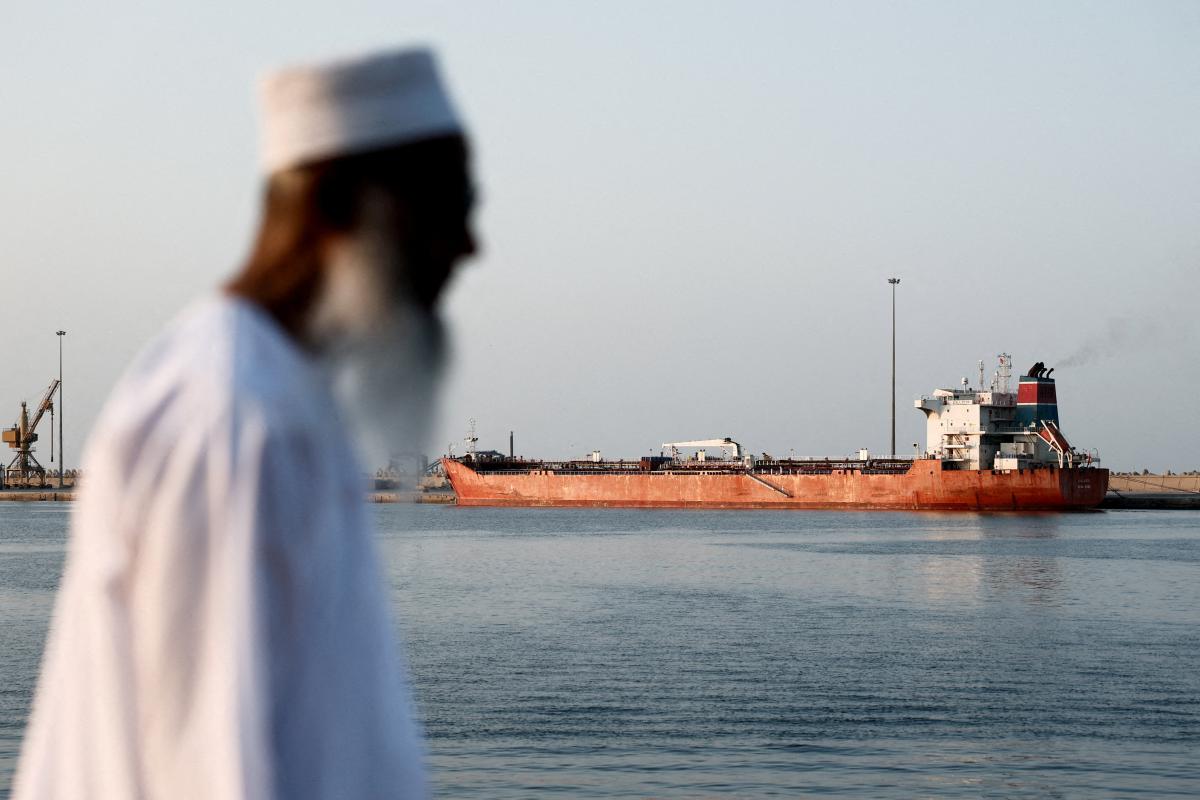
In recent years, the Persian Gulf region has been a focal point of global geopolitical tensions, with the looming threat of conflict between Iran and the United States casting a shadow over the area's future. As the prospect of an Iran war becomes more tangible, experts are predicting that the region will undergo a significant economic transformation, potentially leading to a "post-American" era in the Gulf. This shift is not only a consequence of potential military clashes but also a result of the evolving dynamics among Gulf states, their strategic alliances, and the changing global economic landscape.
The Persian Gulf has long been a cornerstone of American influence, with the U.S. maintaining a strong military presence to safeguard regional stability and ensure the free flow of oil. However, the Iran war could disrupt this balance, forcing Gulf states to reevaluate their alliances and economic strategies. As the U.S. and Iran engage in a standoff, Gulf nations are increasingly looking to diversify their economies and reduce their reliance on oil, a process that has been accelerated by the conflict.
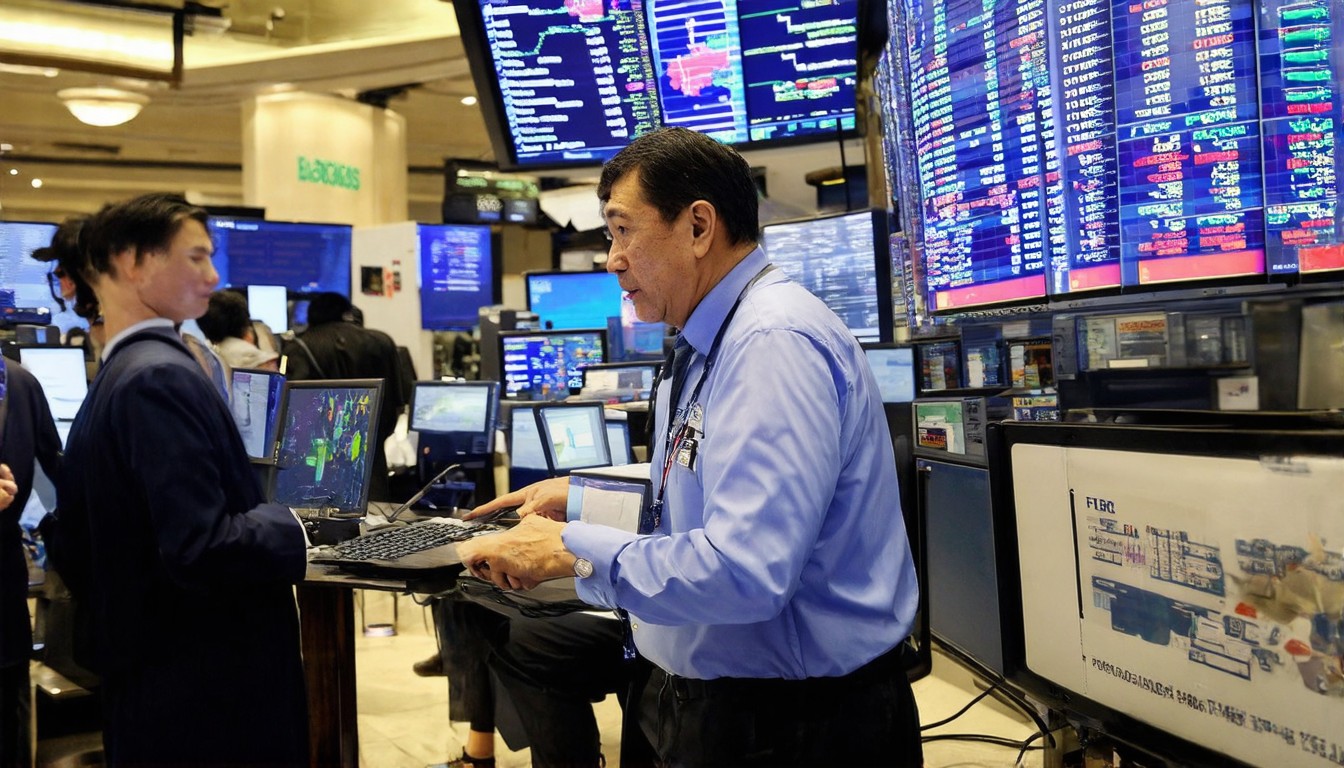
Several Gulf states, including the United Arab Emirates, Qatar, and Saudi Arabia, have already begun investing in sectors such as tourism, finance, and technology to mitigate the risks associated with oil dependency. This pivot is not only driven by the Iran war but also by the broader global trend of energy transition and the need to adapt to a more interconnected and competitive world economy. The Gulf states are well-positioned to capitalize on this shift, given their abundant capital and strategic location at the crossroads of Asia, Africa, and Europe.
The economic transformation in the Persian Gulf is further complicated by the region's geopolitical landscape. The Iran war could lead to increased tensions between Iran and its regional rivals, such as Saudi Arabia and the United Arab Emirates, potentially escalating into a broader conflict. This instability could disrupt trade routes and oil production, further pushing Gulf states to diversify their economies.
Moreover, the U.S. withdrawal from Afghanistan has raised concerns about the stability of the broader Middle East. As American influence wanes, the power vacuum could be filled by other regional and global players, including China, Russia, and Iran. This shift in power dynamics could reshape the Gulf's economic trajectory, with non-traditional allies and investors playing a more significant role.
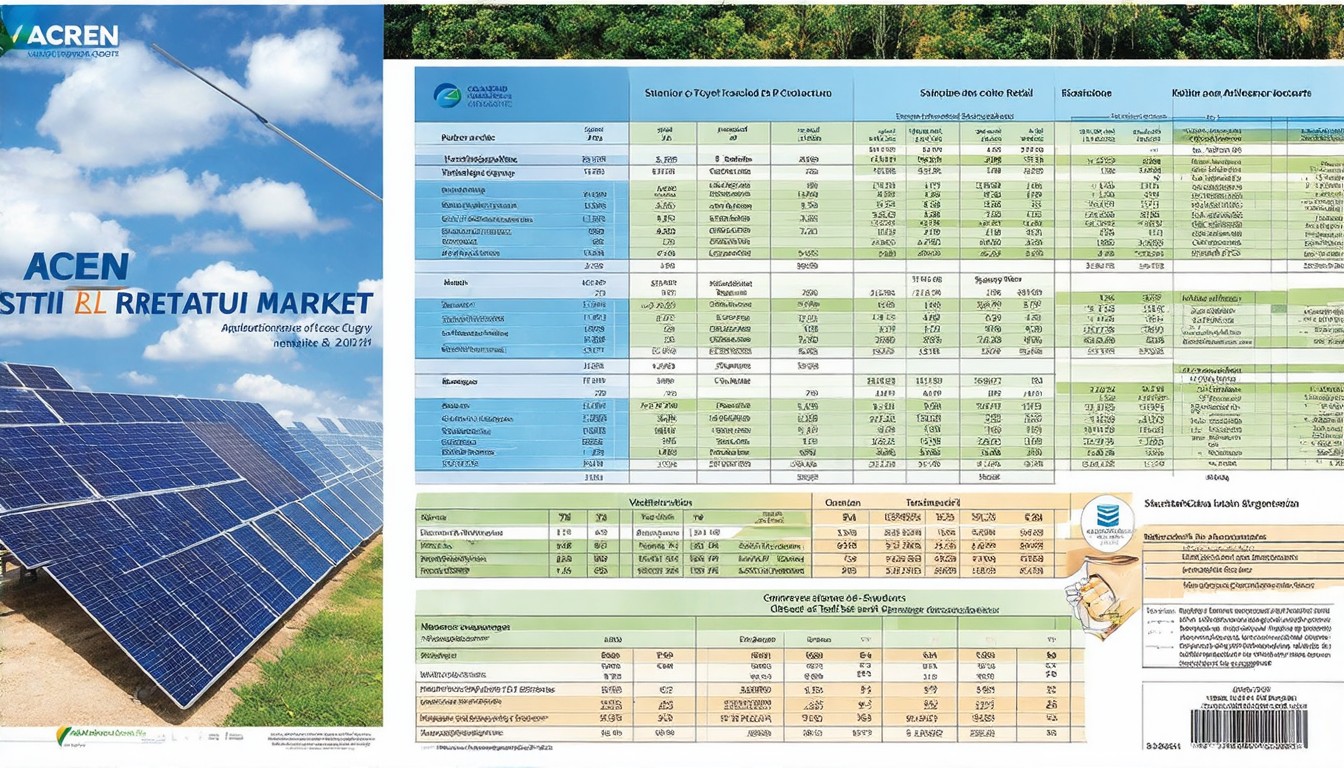
In addition to the geopolitical and economic factors, the environmental impact of oil dependency is also driving Gulf states to reimagine their economic futures. The global push towards sustainable energy and the growing recognition of climate change are prompting Gulf nations to invest in renewable energy sources and green technologies. This transition not only aligns with international climate goals but also positions the region as a leader in innovative industries.
The Iran war, therefore, serves as a catalyst for the Persian Gulf's economic transformation, pushing the region towards a more diversified and resilient economy. While the conflict poses significant risks, it also presents an opportunity for Gulf states to redefine their economic strategies and secure a more stable future. As the U.S. presence in the region diminishes, the Gulf will likely become a battleground for influence among various global powers, with the economic stakes being as high as the geopolitical ones.
In conclusion, the prospect of an Iran war is not only a threat to regional security but also a driver of economic change in the Persian Gulf. The region's reliance on oil is being challenged by the need for diversification, the changing global economic landscape, and the evolving geopolitical dynamics. As Gulf states navigate this transformation, they must balance their strategic interests with the demands of a more interconnected and competitive world. The outcome of this economic shift will have far-reaching implications for the Gulf, the Middle East, and the global economy as a whole.