
A Post-American Persian Gulf?
The Iran war will accelerate the region’s economic transformation.
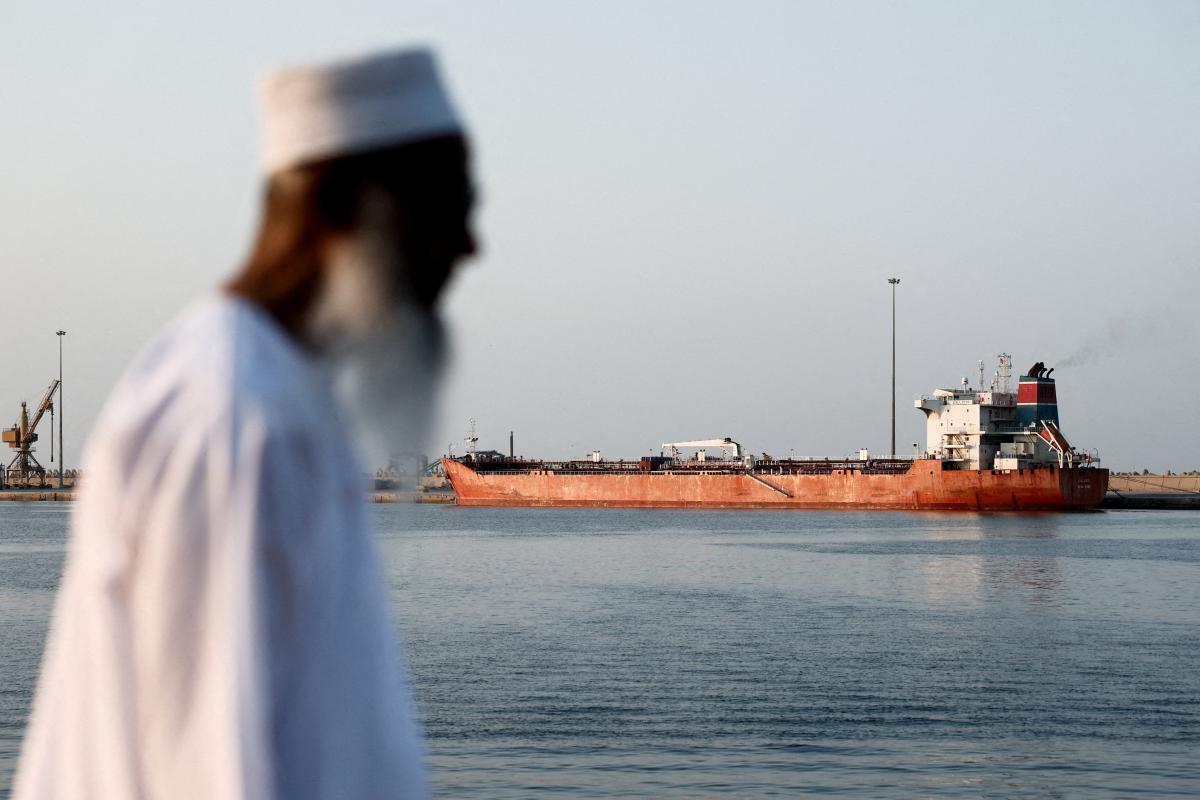
In recent years, the Persian Gulf region has been a focal point of global attention, not only due to its strategic importance but also because of the shifting dynamics of power and influence. The looming Iran war has become a catalyst for accelerating the economic transformation of the area, as nations grapple with the implications of a post-American presence. This transformation is not merely a geopolitical shift but also an economic one, reshaping the Gulf's economic landscape in ways that will have long-term consequences for the region and the world.
The Persian Gulf has long been a cornerstone of global energy supplies, with countries like Saudi Arabia, Iran, and Iraq holding significant oil reserves. However, the prospect of an Iran war has intensified concerns about the stability of the region, prompting a reevaluation of energy strategies. As the United States, a longstanding ally in the Gulf, faces the possibility of reduced involvement, there is a growing emphasis on diversifying energy sources and fostering regional cooperation. This shift is not only about ensuring energy security but also about redefining the Gulf's economic identity, moving beyond its traditional reliance on oil.
One of the most significant aspects of this economic transformation is the rise of renewable energy. With the threat of disruption to oil supplies looming, Gulf states are investing heavily in solar, wind, and other renewable energy projects. This transition is driven not only by the need to secure energy supplies but also by the desire to reduce carbon emissions and combat climate change. By investing in renewables, Gulf nations are positioning themselves as leaders in sustainable energy, which could attract significant foreign investment and create new job opportunities.
Infrastructure development is another critical component of the Gulf's economic transformation. As the region moves beyond its oil-dependent economy, there is a pressing need to modernize and expand transportation, communication, and logistics networks. This includes the construction of new ports, highways, and railways, as well as the enhancement of digital infrastructure. By improving connectivity and efficiency, Gulf states can enhance their competitiveness in global trade and attract more businesses.
The Iran war has also spurred a rethinking of regional alliances and partnerships. With the United States potentially withdrawing from the Gulf, there is a growing emphasis on multilateral cooperation among Gulf nations. This includes initiatives to strengthen economic ties, such as the proposed Gulf Cooperation Council (GCC) common market, which aims to create a single economic area. Such efforts are not only about fostering economic integration but also about building resilience against external threats.
Moreover, the prospect of a post-American Gulf has led to increased interest from other global powers, particularly China. As the United States' influence wanes, China is poised to become a more prominent player in the region. This shift is evident in China's investments in Gulf infrastructure, such as its participation in the Saudi Vision 2030 initiative and its support for the Belt and Road projects. While this could lead to increased economic interdependence, it also raises concerns about the balance of power and the potential for geopolitical tensions.
The economic transformation of the Persian Gulf is not without challenges. The region's reliance on oil has been deeply ingrained, and the transition to a diversified economy will require significant time and investment. Additionally, the Iran war could exacerbate existing tensions and lead to further instability. However, the Gulf's strategic location, abundant natural resources, and growing ambitions for modernization provide a solid foundation for economic transformation.
In conclusion, the looming Iran war is accelerating the economic transformation of the Persian Gulf, pushing the region to redefine its economic identity and diversify its economy. This transformation is driven by the need to secure energy supplies, modernize infrastructure, and foster regional cooperation. While the challenges are significant, the opportunities for growth and innovation are vast. As the Gulf navigates this period of change, it will shape not only its own future but also its role in the global economy.









