
A new regional order for the Strait of Hormuz
The GCC and Iran can come up with a new security architecture for the Strait of Hormuz that can give Trump an off-ramp.
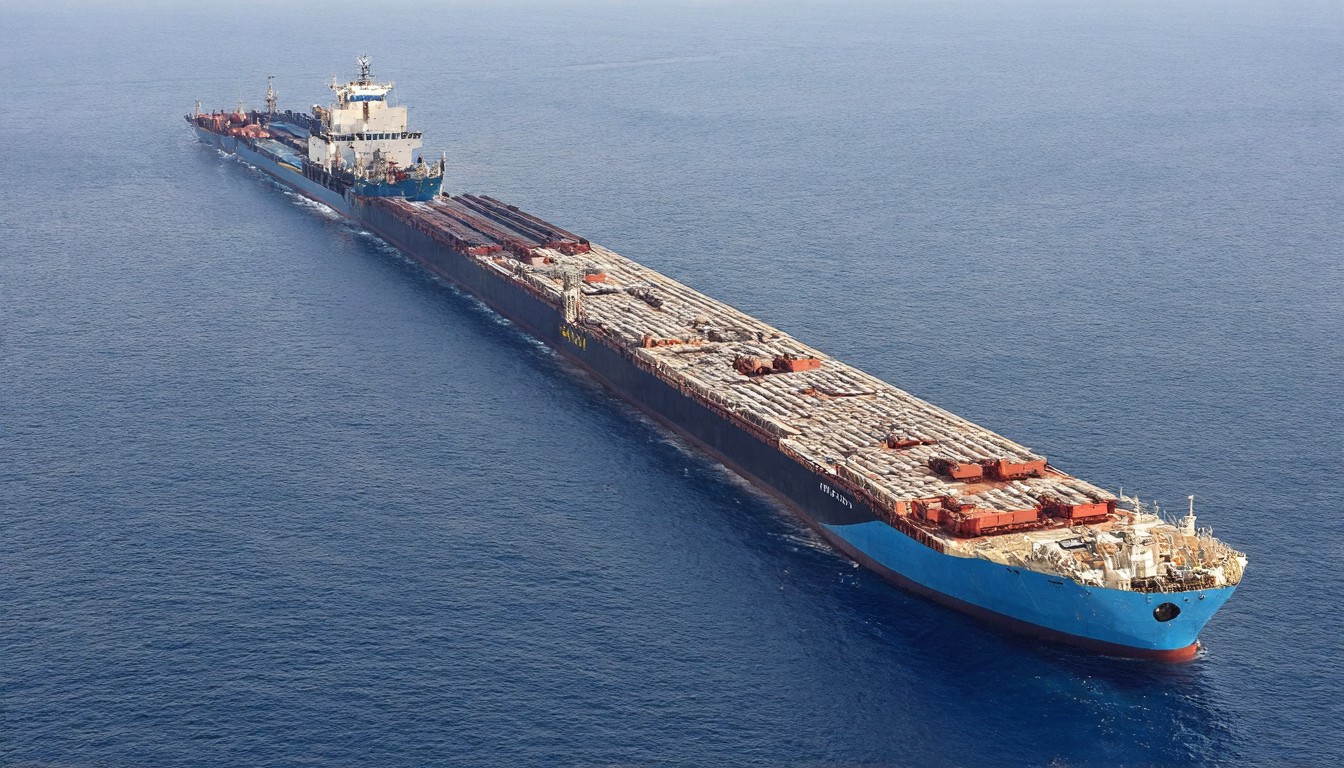
The Strait of Hormuz, a critical chokepoint for global oil supplies, has long been a focal point of geopolitical tensions. With rising concerns over regional stability and the potential for conflict, the Gulf Cooperation Council (GCC) and Iran are exploring the possibility of establishing a new security architecture to safeguard the strait. This proposed framework could potentially provide a diplomatic exit for the United States, known as an "off-ramp," from its current stance on the issue.
The Strait of Hormuz, located between the Persian Gulf and the Gulf of Oman, is a vital maritime route through which approximately 30% of global oil production passes. This makes it a strategic asset for both the GCC nations and Iran, as well as a flashpoint for potential disputes. In recent years, tensions have escalated due to U.S. sanctions on Iran and accusations of Iranian aggression in the region.
The idea of a new security architecture stems from a shared recognition of the need for stability and predictability in the strait. The GCC, comprising Saudi Arabia, the United Arab Emirates, Qatar, Bahrain, and Kuwait, has long been concerned about the security of its oil exports, which heavily rely on the Strait of Hormuz. Iran, on the other hand, has been wary of external interference in its regional affairs and has sought to assert its influence in the strait.
The proposed security architecture would involve a multilateral approach, with the GCC and Iran working together to establish clear rules and guidelines for maritime activities in the strait. This could include agreements on navigation, territorial disputes, and the presence of foreign military forces. The aim would be to create a framework that allows for mutual respect and cooperation, while also addressing the concerns of all stakeholders.
For the United States, this new security architecture could provide a way to exit its current position without losing face. The U.S. has been vocal about its opposition to Iranian actions in the region and has imposed sanctions to curb Tehran's influence. However, with the potential for a new diplomatic framework, the U.S. could potentially reduce its military presence or ease some of its sanctions, allowing for a more balanced approach to regional security.
The success of this proposed security architecture would depend on several factors. First, both the GCC and Iran must be willing to engage in meaningful dialogue and compromise. This would require a significant shift in Iran's approach to regional politics, as well as a willingness from the GCC to address Iran's concerns. Additionally, the U.S. would need to be on board with this new framework, which could be challenging given its current stance.
Moreover, the effectiveness of the proposed security architecture would also depend on the broader geopolitical landscape. Regional rivals such as Yemen and Hezbollah, as well as global powers like Russia and China, could influence the dynamics of the Strait of Hormuz. Any new framework would need to take these factors into account to ensure its longevity and success.
In conclusion, the prospect of a new security architecture for the Strait of Hormuz, spearheaded by the GCC and Iran, presents an opportunity for regional stability and a potential diplomatic exit for the United States. While the challenges are significant, the potential benefits of such a framework—including increased security for oil exports, reduced tensions, and a more balanced regional order—make it a compelling proposition. As negotiations continue, the focus will be on crafting a solution that addresses the concerns of all parties involved while fostering cooperation and stability in the region.








